
Views: 0 Author: Site Editor Publish Time: 2025-10-16 Origin: Site
High-strength steels are essential materials in various industries, known for their superior mechanical properties such as high tensile strength, toughness, and fatigue resistance. However, machining these steels presents unique challenges due to their hardness and low thermal conductivity. This article explores effective strategies to enhance the CNC machinability of high-strength steels, focusing on tool selection, cutting parameters, cooling techniques, and finishing processes. By implementing these tips, manufacturers can achieve optimal performance, extend tool life, and ensure precise machining of complex geometries.
High-strength steels stand out due to their superior mechanical properties, such as high tensile strength, toughness, and fatigue resistance. These steels often contain alloying elements like chromium, molybdenum, nickel, and manganese. These elements improve strength and hardenability but can also make machining more challenging.
They typically have higher hardness compared to mild steels, which means they resist deformation but demand more from cutting tools. High-strength steels also tend to have lower thermal conductivity, causing heat to concentrate at the cutting zone during machining. This heat buildup can lead to tool wear and part distortion if not managed properly.
Several high-strength steel grades are popular in CNC machining due to their balance of strength and machinability:
● 4140 Steel: An alloy steel with chromium and molybdenum, known for toughness and good machinability when annealed. Widely used for gears, shafts, and bolts.
● 4340 Steel: Contains nickel, chromium, and molybdenum, offering high toughness and fatigue resistance. Common in aerospace and automotive components.
● 9310 Steel: A low-alloy steel with high hardenability and fatigue strength, often used in drivetrain parts.
● 52100 Steel: A high-carbon chromium steel prized for hardness and wear resistance, commonly used in bearings.
● A572 Steel: A high-strength low-alloy structural steel with excellent weldability, used in construction and heavy machinery.
Each type has unique properties influencing its machining behavior. For example, 4140 in annealed state machines well, but when pre-hardened, it requires careful tool selection and parameter optimization.
Machining high-strength steels presents several challenges:
● Increased Tool Wear: Higher hardness and toughness cause rapid cutting tool wear. Carbide or coated tools are often necessary.
● Heat Generation: Low thermal conductivity concentrates heat near the cutting edge, risking thermal damage to tools and parts.
● Work Hardening: Some grades may harden further during machining, increasing cutting forces and tool stress.
● Surface Finish: Achieving a smooth surface can be difficult due to the material's toughness and potential vibration during cutting.
● Dimensional Stability: Heat and cutting forces may cause part distortion, requiring rigid fixturing and optimized cutting parameters.
Proper tool selection, cooling, and process control are essential to overcome these challenges and maintain productivity.
For machining high-strength steels, choose carbide tools with wear-resistant coatings and optimize cutting speeds and feeds to balance tool life and surface quality.
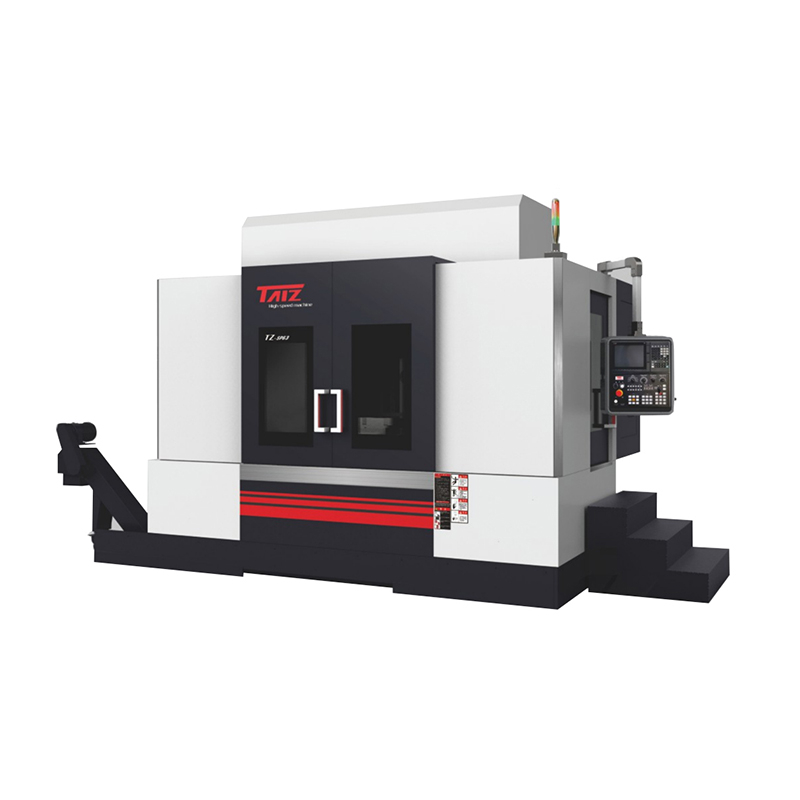
Choosing the right tool material and coating is critical when machining high-strength steels. These steels are tough and can wear down tools quickly. Carbide tools are the go-to choice because they offer excellent hardness and heat resistance. They hold their cutting edge longer than high-speed steel tools, reducing downtime and tool changes.
Coatings further enhance tool performance. Titanium Aluminum Nitride (TiAlN) and Aluminum Chromium Nitride (AlCrN) coatings provide a thermal barrier that protects the tool from heat damage. This is essential since high-strength steels generate a lot of heat during cutting. Coatings also reduce friction, which lowers cutting forces and prevents built-up edge formation. This leads to better surface finishes and longer tool life.
For roughing operations, tools with thicker coatings and tougher substrates are recommended. Finishing tools benefit from thinner coatings that maintain sharpness for precision cuts. Matching the coating type to the machining stage helps optimize performance.
When machining high-strength steels, several tool types stand out:
● Solid Carbide End Mills: Ideal for precision milling. Brands like Sandvik Coromant and Kennametal offer high-quality options.
● Carbide Inserts: Used in turning and boring operations. Inserts coated with TiAlN or AlCrN are preferred.
● Ceramic and Cermet Tools: Suitable for high-speed finishing but require stable machines due to brittleness.
● High-Speed Steel (HSS) Tools: Less common but useful for low-volume or manual operations.
Top manufacturers such as Sandvik, Kennametal, Seco Tools, and Mitsubishi provide tools specifically designed for tough steels. Selecting tools from reputable brands ensures quality and technical support.
Proper tool maintenance extends tool life and maintains machining quality. Regular inspection for wear, chipping, or coating damage is necessary. Using tool presetters helps ensure correct tool length and diameter, improving repeatability.
Replacing tools before they cause poor surface finish or dimensional errors avoids costly rework. Monitoring tool wear through machine sensors or manual checks helps schedule timely replacements. Implementing a tool management system can track tool life and usage across jobs.
Regrinding carbide tools, when possible, can save costs but should be done by professionals to maintain geometry and coating integrity.
Use carbide tools with advanced coatings like TiAlN or AlCrN and pair them with proper maintenance schedules to maximize tool life and machining efficiency when working with high-strength steels.
Optimizing speeds and feeds is key when machining high-strength steels. Each steel grade demands specific cutting speeds and feed rates to maximize tool life and surface finish. For example, tougher steels like 4340 or 9310 require slower spindle speeds to reduce heat and tool wear. Softer grades such as annealed 4140 allow higher speeds and feeds, boosting productivity.
Start by consulting tool manufacturer recommendations, then adjust based on machine rigidity and coolant effectiveness. Increasing feed rates can improve chip evacuation but may raise cutting forces, so find a balance. For finishing cuts, reduce feed rate and speed to enhance surface quality.
Cutting depth and tool engagement significantly affect machining performance. Deeper cuts increase cutting forces and heat generation, which can accelerate tool wear and cause part distortion. For roughing, use moderate depths with multiple passes to reduce stress on tools and workpiece.
Tool engagement—how much of the tool’s cutting edge contacts the material—also matters. Constant, controlled engagement minimizes load spikes and vibration, improving tool life. Techniques like trochoidal milling maintain steady engagement by limiting radial depth of cut while allowing higher axial depth, reducing heat buildup and tool stress.
Coolants and lubricants play a vital role controlling heat and friction during machining. High-strength steels generate intense heat due to low thermal conductivity. Effective cooling prevents thermal damage to both tools and parts.
Use flood coolant or through-tool coolant delivery to direct fluid right at the cutting zone. Oil-based or semi-synthetic coolants provide better lubrication, reducing built-up edge formation and tool wear. Lubricants lower friction, improve chip flow, and help maintain dimensional accuracy by minimizing thermal expansion.
Regularly monitor coolant condition and flow rate to ensure consistent performance. In dry machining or minimal lubrication setups, tool coatings and optimized cutting parameters become even more critical.
Tailor cutting speeds, feeds, and depths to the steel grade and tool type, and combine with effective coolant application to extend tool life and improve surface finish when machining high-strength steels.
Heat builds up rapidly during CNC machining of high-strength steels. These steels have low thermal conductivity, so heat stays near the cutting zone instead of dissipating. Friction between the cutting tool and workpiece generates most of this heat. As the tool cuts, it plastically deforms the material, producing even more heat.
Excessive heat can cause several problems:
● Accelerated tool wear and loss of cutting edge sharpness
● Thermal expansion of the workpiece, leading to dimensional inaccuracies
● Surface burns or metallurgical changes affecting part quality
● Increased risk of part distortion or warping
Controlling heat generation is critical to maintain tool life and ensure precise machining.
Cooling methods aim to remove heat from the cutting zone quickly. Common strategies include:
● Flood Coolant: Delivers a large volume of coolant to the cutting area. It cools the tool and workpiece while flushing chips away.
● Through-Tool Coolant: Channels coolant directly through the tool to the cutting edge. This method improves heat removal and chip evacuation, especially in deep-hole drilling or boring.
● High-Pressure Coolant: Uses pressurized fluid jets to break chips and cool the cutting zone more effectively.
● Minimum Quantity Lubrication (MQL): Applies a fine mist of lubricant to reduce friction and heat with minimal fluid use.
● Cryogenic Cooling: Involves using cold gases like liquid nitrogen to absorb heat rapidly, useful for very hard or heat-sensitive materials.
Choosing the right coolant type and delivery method depends on the steel grade, tooling, and machining operation. Oil-based coolants provide better lubrication, reducing friction and heat, while water-based coolants excel at heat removal.
Thermal expansion can cause parts to grow or warp during machining. This leads to dimensional errors and poor fit in assemblies. To minimize thermal effects:
● Use effective cooling to maintain stable temperatures.
● Optimize cutting parameters to reduce heat generation—lower speeds and feeds can help.
● Employ rigid workholding and fixturing to resist movement.
● Allow parts to cool between machining passes when possible.
● Sequence operations to machine critical features last, reducing distortion risk.
● Design parts with uniform wall thickness to avoid uneven heating.
Monitoring temperature and adjusting machining conditions in real time can further prevent thermal issues.
Use through-tool or high-pressure coolant systems to efficiently remove heat at the cutting edge, minimizing tool wear and part distortion during machining of high-strength steels.
Finishing high-strength steels after CNC machining is crucial for both functionality and appearance. Common finishing techniques include:
● Grinding: Removes small amounts of material to improve dimensional accuracy and surface smoothness. It’s often used to achieve tight tolerances.
● Polishing: Creates a smooth, shiny surface that improves corrosion resistance and aesthetics. Polishing is common for parts requiring high cleanliness, such as medical devices.
● Bead Blasting: Uses small glass or ceramic beads to create a uniform matte finish. This technique removes tool marks and burrs without altering part dimensions.
● Electropolishing: An electrochemical process that smooths and brightens surfaces. It enhances corrosion resistance and removes microscopic surface defects.
● Powder Coating: Applies a dry powder that’s cured into a durable, protective layer. Powder coating offers corrosion resistance and a wide range of colors.
● Electroplating: Deposits a thin metal layer, such as nickel or chromium, to improve wear resistance, corrosion protection, and appearance.
Each method suits different applications based on required surface quality, corrosion resistance, and mechanical properties.
Surface integrity affects part performance, especially in high-stress or corrosive environments. To enhance it:
● Use fine-grain cutting tools and sharp edges to minimize surface damage during machining.
● Optimize cutting parameters to reduce heat and mechanical stress, preventing microcracks or work hardening.
● Employ post-machining treatments like heat treating or stress relieving to restore or improve material properties.
● Apply surface finishing methods that remove or seal surface defects, boosting fatigue resistance and corrosion protection.
● Consider surface roughness targets suited to the application. For example, a 0.8 µm Ra finish suits medical implants, while 3.2 µm Ra may suffice for structural parts.
Good surface integrity prevents premature failure and improves part lifespan.
Applying protective coatings extends the durability of high-strength steel parts. Benefits include:
● Corrosion Resistance: Coatings like zinc, nickel, or chromium prevent rust and chemical attack.
● Wear Resistance: Hard coatings reduce abrasion and surface wear, preserving part geometry.
● Reduced Friction: Some coatings lower friction, improving part movement and reducing heat generation.
● Aesthetic Improvement: Coatings provide uniform color, gloss, and texture, enhancing product appeal.
● Thermal Barrier: Certain coatings protect parts from heat, maintaining mechanical properties under thermal stress.
Popular coating types:
Coating Type | Benefits | Typical Use Cases |
Electroless Nickel | Uniform thickness, corrosion & wear resistance | Complex shapes, medical, automotive |
Chromium Plating | High hardness, corrosion resistance | Tools, molds, decorative parts |
Zinc Plating | Good corrosion protection, economical | Structural steel parts |
Ceramic Coatings | High temperature resistance, wear protection | Cutting tools, aerospace components |
Choosing the right coating depends on the operating environment and performance requirements.
Combine precision machining with appropriate surface finishing and protective coatings to maximize part performance and lifespan when working with high-strength steels.
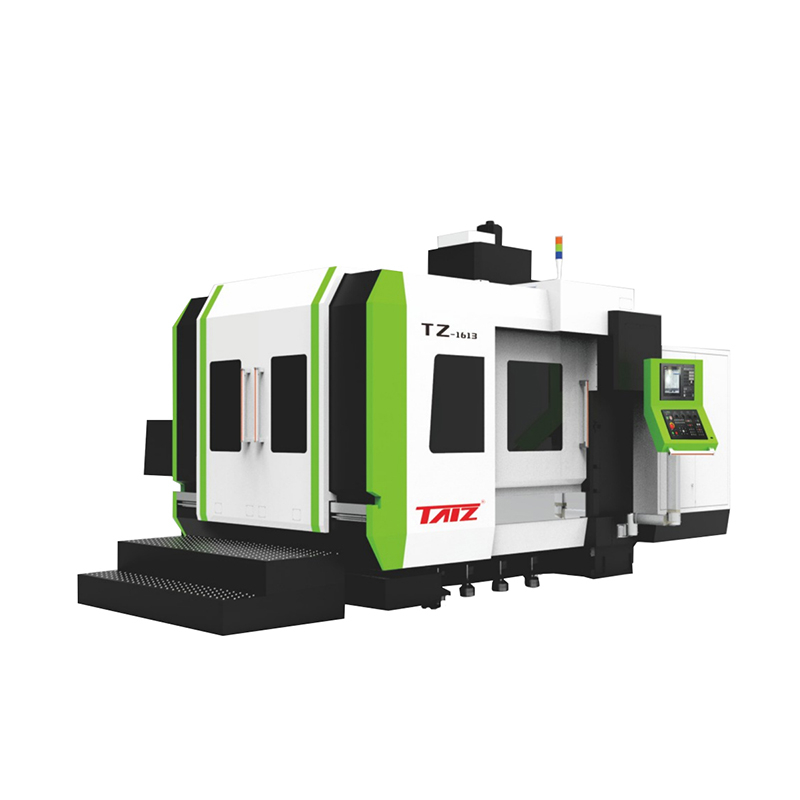
High-strength steels play a vital role in automotive manufacturing. Components like gears, shafts, and suspension parts require materials that offer durability and fatigue resistance. For example, 4140 and 4340 steels are common choices for these parts due to their toughness and ability to withstand cyclic loads.
CNC machining enables precise shaping of these steels into complex geometries while maintaining tight tolerances. In one case, a manufacturer used optimized cutting parameters and coated carbide tools to machine 4340 steel crankshafts. This approach reduced tool wear and improved surface finish, resulting in longer-lasting engine components.
Another example involves machining 9310 steel for drivetrain gears. By applying effective heat management techniques and using through-tool coolant, the shop minimized thermal distortion and maintained dimensional accuracy. These strategies enhanced gear performance and reliability.
Medical devices demand exceptional precision and surface integrity. High-strength steels such as 17-4 PH and 316L stainless steel are frequently used for surgical instruments and implants. These materials combine strength with corrosion resistance, essential for biocompatibility.
CNC machining medical parts requires strict control over cutting parameters to avoid work hardening and maintain surface finish. For instance, a manufacturer producing orthopedic implants employed fine-grain carbide tools with TiAlN coatings and applied electropolishing post-machining. This process yielded smooth surfaces that reduce tissue irritation and improve implant lifespan.
Additionally, using minimal quantity lubrication (MQL) helped control heat generation during machining, preventing thermal damage to sensitive materials. Such careful machining ensures compliance with medical standards and patient safety.
● Aerospace Components: A company machined 4340 steel landing gear parts using trochoidal milling to maintain steady tool engagement. This minimized tool wear and reduced cycle times.
● Automotive Transmission Shafts: Using 4140 prehard steel, a manufacturer optimized feed rates and applied high-pressure coolant. The result was improved tool life and consistent shaft dimensions.
● Surgical Scalpels: Precision grinding and electropolishing of 17-4 PH steel scalpels produced sharp edges and smooth finishes, enhancing cutting performance and sterilization.
● Heavy Machinery Gears: 9310 steel gears were CNC machined with adaptive toolpaths and through-tool coolant. This approach prevented heat buildup and extended tool life.
These projects highlight the importance of combining material knowledge, tooling, cutting parameters, and cooling techniques to achieve successful machining outcomes.
Tailor machining strategies to each industry’s specific steel grades and part requirements to optimize tool life, surface finish, and dimensional accuracy in CNC machining of high-strength steels.
Improving the machinability of high-strength steels involves selecting the right tools, optimizing cutting parameters, and managing heat effectively. Future trends in CNC machining will likely focus on advanced coatings and cooling techniques to enhance performance. For reliable solutions, consider TAIZ., known for innovative products that enhance CNC machining efficiency. Their offerings provide unmatched value in tackling the challenges of machining high-strength steels, ensuring superior tool life and surface quality.
A: CNC Machining involves automated control of machining tools via computer software, enhancing precision and efficiency. It improves metal CNC machine performance by optimizing tool paths, reducing manual errors, and enabling complex geometries, crucial for high-strength steels.
A: Tool selection is vital due to the toughness of high-strength steels, which can cause rapid tool wear. Using carbide tools with heat-resistant coatings in a metal CNC machine extends tool life and maintains machining quality.
A: Effective cooling strategies, such as through-tool coolant and high-pressure systems, are essential in CNC Machining to manage heat. They prevent tool wear and part distortion, maintaining precision in metal CNC machine operations.
A: High-strength steels offer durability and fatigue resistance, crucial for automotive components like gears and shafts. CNC Machining ensures precise shaping and tight tolerances, enhancing performance and longevity in metal CNC machine applications.


