
Views: 0 Author: Site Editor Publish Time: 2025-10-16 Origin: Site
Aluminum alloys have become a cornerstone in the world of CNC machining, thanks to their remarkable combination of strength, lightweight properties, and excellent corrosion resistance. These versatile materials are widely used across various industries, including aerospace, automotive, electronics, and medical devices. With advancements in alloy compositions and machining technologies, aluminum alloys not only meet the demands of modern manufacturing but also enhance performance and efficiency. This article explores the unique properties of aluminum alloys, their applications in CNC machining, and the advantages they offer over other materials.
Aluminum alloys come in various types, each designed for specific uses. The most common ones in CNC machining include:
● 6061: Known for good strength, weldability, and corrosion resistance. It’s versatile and used in automotive parts, structural components, and bicycle frames.
● 7075: Contains zinc as its main alloying element. It offers very high strength, similar to steel, making it perfect for aerospace and high-stress parts.
● 5052: Magnesium is the primary alloying element here. It excels in corrosion resistance, especially in marine environments, and is great for electronic enclosures and fuel tanks.
● 2024: Copper is added to increase strength and improve machinability, commonly used in aircraft structures and fasteners.
Each alloy type offers a unique balance of properties that influence how it performs during machining and in its final application.
Alloying elements change aluminum’s characteristics significantly. Here’s how some key elements affect aluminum alloys:
● Magnesium (Mg): Improves corrosion resistance and strength. Found in 5xxx series alloys.
● Zinc (Zn): Boosts strength and fatigue resistance. Major component in 7xxx series alloys.
● Copper (Cu): Increases strength but reduces corrosion resistance. Common in 2xxx series.
● Silicon (Si): Enhances wear resistance and reduces melting temperature, aiding casting processes.
● Manganese (Mn): Improves strength and corrosion resistance.
These elements tailor the alloy to specific needs, like making it stronger, more corrosion-resistant, or easier to machine.
Aluminum alloys combine several important properties that make them ideal for CNC machining:
● Strength-to-Weight Ratio: Aluminum alloys are strong yet lightweight, which is crucial for aerospace and automotive parts.
● Corrosion Resistance: Many alloys form a protective oxide layer, resisting rust and harsh environments.
● Machinability: They are easier to cut than steel, requiring less force and allowing faster machining speeds.
● Thermal Conductivity: Aluminum dissipates heat quickly, reducing tool wear and improving dimensional accuracy.
● Ductility: They can be formed and bent without cracking, useful for complex shapes.
These properties depend heavily on the alloy’s composition and heat treatment, influencing how the material behaves during cutting and in its final use.
When selecting an aluminum alloy for CNC machining, match the alloy’s properties to your part’s functional requirements to optimize performance and manufacturing efficiency.
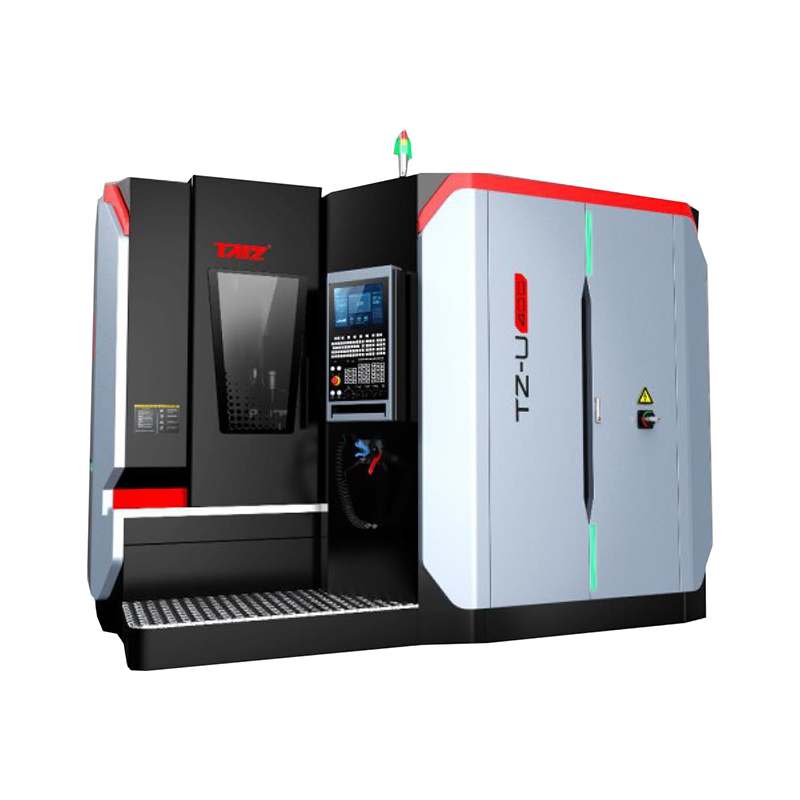
Aluminum alloys are famous for their excellent strength-to-weight ratio. They are strong enough to handle tough jobs but much lighter than steel or other metals. This makes them perfect for industries like aerospace and automotive, where every ounce counts. For example, aircraft parts made from aluminum alloys help reduce overall weight, improving fuel efficiency and performance. They provide the strength needed to endure stress without adding unnecessary bulk.
One major perk of aluminum alloys is their natural resistance to corrosion. When exposed to air, aluminum quickly forms a thin oxide layer that protects it from rust and damage. This makes aluminum alloys ideal for parts used outdoors or in harsh environments, such as marine or automotive applications. They last longer and need less maintenance compared to materials prone to rust. This durability saves money and time over a product’s lifespan.
Aluminum alloys also offer cost benefits. They are generally more affordable than materials like titanium or high-grade steels. Because aluminum is lightweight, using less material can achieve the same strength, reducing raw material costs. Additionally, aluminum’s machinability allows faster cutting speeds and lower tool wear, which shortens production times and lowers labor costs. This makes aluminum alloys a smart choice for both small runs and large-scale manufacturing.
Choose aluminum alloys for CNC projects needing a strong yet lightweight material that resists corrosion and keeps production costs low.
Aluminum alloys are essential in aerospace manufacturing. Their lightweight nature helps reduce overall aircraft weight, which improves fuel efficiency and performance. Alloys like 7075 and 2024 are popular choices for structural parts such as wings, fuselage bulkheads, and landing gear. These alloys provide high strength and fatigue resistance, crucial for parts exposed to stress and varying pressure. Additionally, aluminum’s corrosion resistance ensures long-lasting durability even at high altitudes and harsh environments.
In the automotive industry, aluminum alloys help manufacturers build lighter, more fuel-efficient vehicles. Parts like engine blocks, chassis components, wheel rims, and suspension parts often use alloys such as 6061 and 5754. These alloys balance strength, machinability, and corrosion resistance. Using aluminum reduces vehicle weight, which lowers emissions and improves acceleration. The material’s thermal conductivity also helps dissipate heat in engine parts, enhancing performance and longevity.
Aluminum alloys are widely used in electronics for their excellent thermal and electrical conductivity. They serve as heat sinks, housings, and frames for devices like laptops, smartphones, and home appliances. Alloys like 5052 and 6063 are favored for their corrosion resistance and ability to be finely machined into intricate shapes. Aluminum’s lightweight yet sturdy properties make consumer products both durable and easy to handle. CNC machining ensures precise dimensions and smooth finishes, vital for electronic components.
The medical field benefits from aluminum alloys thanks to their biocompatibility, corrosion resistance, and lightweight strength. Aluminum parts are common in surgical instruments, diagnostic equipment, and prosthetics. For example, aluminum is used in ventilator components and electrocardiograph machine housings. Its machinability allows for tight tolerances and complex geometries needed in medical devices. Additionally, anodized aluminum surfaces resist sterilization chemicals, maintaining hygiene standards.
When designing CNC machined parts, select aluminum alloys that match your application’s strength, corrosion resistance, and thermal needs to maximize performance and lifespan.
One common challenge when machining aluminum alloys is heat buildup. Aluminum conducts heat well, but during cutting, friction can generate high temperatures at the tool-workpiece interface. This heat can cause chips to weld onto the cutting tool, a problem known as chip welding or built-up edge. When chips stick, surface finish suffers, and tool life shortens. The soft, ductile nature of aluminum alloys makes them prone to this issue, especially under improper cutting conditions. High cutting speeds and inadequate coolant use often worsen chip welding.
Although aluminum is softer than many metals, machining aluminum alloys can still cause tool wear. Certain alloying elements like silicon or copper create abrasive particles that accelerate wear on cutting edges. This wear reduces tool sharpness, leading to increased cutting forces and poorer surface quality. Tool wear also raises production costs due to more frequent tool replacement and downtime. Using the wrong tool material or geometry can amplify wear problems, so selecting tools designed specifically for aluminum alloys is crucial.
Work hardening occurs when the aluminum surface becomes harder after plastic deformation during machining. Some aluminum alloys, especially those with higher copper content like 2024, are more susceptible. Work hardening makes subsequent cuts more difficult and can cause surface cracks or dimensional inaccuracies. If not managed, it leads to excessive tool wear and poor part quality. Adjusting cutting parameters and using sharp tools can help minimize work hardening effects.
To reduce heat buildup and chip welding in aluminum machining, use high-quality coolants, maintain proper cutting speeds, and select sharp tools with polished flutes for efficient chip evacuation.
Using the right coolant is key when machining aluminum alloys. Coolants help reduce heat buildup, flush away chips, and lubricate the cutting zone. Water-soluble coolants like emulsions are popular because they cool effectively and prevent chip welding. Synthetic oils also work well, especially for high-speed operations. Applying coolant through the tool or as a flood stream ensures chips don’t stick to the tool or workpiece. This keeps the surface finish smooth and extends tool life. Avoid dry machining aluminum unless using special coatings or tools designed for it, as heat and chip welding can quickly damage tools.
Choosing the right tools and cutting settings makes a big difference. Carbide tools with polished flutes are preferred since they resist wear and help eject chips easily. High rake angles reduce cutting forces and heat. Tools coated with aluminum-specific coatings, like AlTiN, further reduce friction.
When setting parameters, use higher spindle speeds and feed rates than for steel, as aluminum cuts faster and softer. For example, speeds between 8,000 to 20,000 RPM and feed rates around 0.003 to 0.010 inches per tooth are common, depending on tool size and alloy. Keep the depth of cut moderate (10-50% of tool diameter) to avoid excessive heat or tool deflection. Sharp tools prevent work hardening and improve surface finish.
After machining, surface finishing improves appearance and durability. Anodizing is a popular choice; it creates a hard, corrosion-resistant oxide layer that can also add color. This is especially useful for parts exposed to harsh environments or needing wear resistance.
Other finishing methods include polishing, brushing, or bead blasting. Polishing gives a mirror-like shine, while brushing creates a matte texture. Bead blasting cleans the surface and adds uniform texture. Selecting the right finish depends on the part’s function and aesthetic needs.
Use high-quality coolants and sharp carbide tools with polished flutes to reduce heat and chip welding, ensuring longer tool life and better surface finishes when machining aluminum alloys.
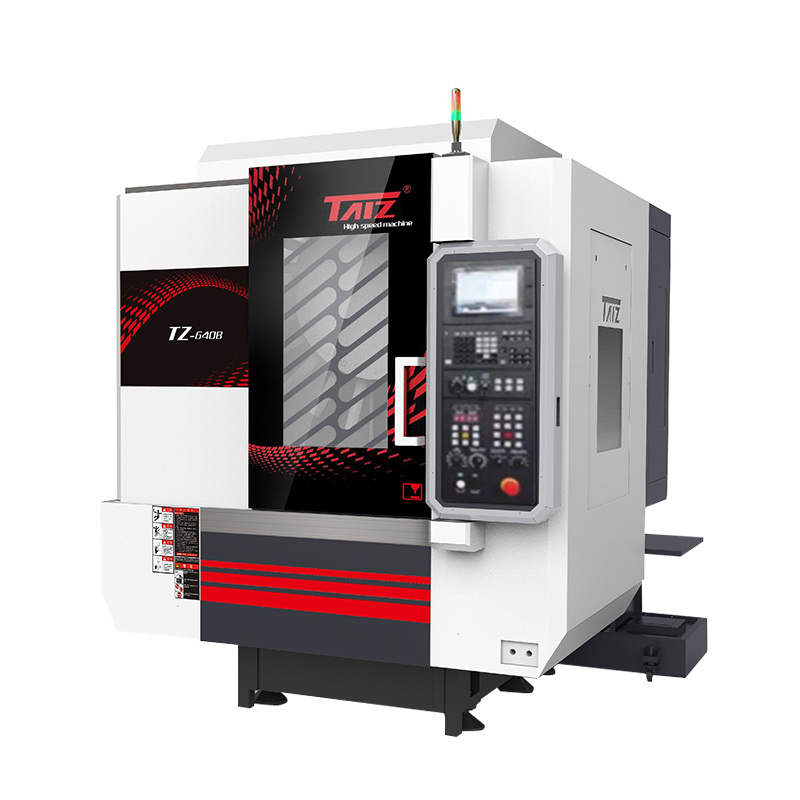
New aluminum alloys are being developed to meet the demands of modern CNC machining and advanced applications. These innovations focus on improving strength, corrosion resistance, and machinability while reducing weight. For example, some alloys now include rare earth elements or optimized mixes of magnesium and silicon to boost performance at high temperatures. Others are designed for better compatibility with additive manufacturing or hybrid machining processes.
These improved alloys help manufacturers create parts that last longer and perform better under stress. They also allow for machining at higher speeds without sacrificing tool life or surface finish. This ongoing research ensures aluminum alloys remain competitive against other materials like titanium or advanced steels.
CNC machines are evolving rapidly, helping to maximize the benefits of aluminum alloys. Multi-axis machining centers now offer greater precision and flexibility, enabling complex geometries with fewer setups. High-speed spindles combined with advanced toolpath strategies reduce cycle times and improve surface quality.
CNC controllers with real-time adaptive control monitor cutting forces, vibrations, and temperatures. They adjust parameters on the fly to optimize cutting conditions and avoid tool damage. This leads to less scrap and higher throughput.
Integration of sensors and IoT technology allows machines to communicate with factory systems, streamlining production and maintenance. These technological leaps make machining aluminum alloys faster, more accurate, and more cost-effective than ever.
Automation is transforming CNC machining of aluminum alloys. Robotic arms handle loading, unloading, and part inspection, freeing operators for more skilled tasks. Automated tool changers and pallet systems reduce downtime between jobs.
Smart CNC systems use artificial intelligence to analyze machining data and predict tool wear or part defects before they happen. They can recommend or automatically adjust feeds, speeds, and coolant flow to maintain optimal conditions. This reduces human error and increases consistency.
Moreover, digital twins—virtual replicas of CNC machines and processes—enable simulation and optimization before actual machining. This helps prevent costly mistakes and accelerates development cycles.
Together, automation and smart systems boost productivity, reduce costs, and improve quality in aluminum alloy CNC machining.
Stay updated on new aluminum alloys and invest in smart CNC technologies to enhance machining efficiency and part performance.
Aluminum alloys are favored in CNC machining for their strength-to-weight ratio, corrosion resistance, and cost-effectiveness. They are essential in aerospace, automotive, electronics, and medical industries due to these properties. Modern innovations in alloy composition and CNC technology enhance their machinability and performance. TAIZ. offers advanced CNC machining solutions, utilizing high-quality aluminum alloys to deliver durable and efficient products. Their expertise ensures optimal performance and longevity, making them a reliable partner in precision manufacturing.
A: Aluminum alloys are favored in CNC machining due to their excellent strength-to-weight ratio, corrosion resistance, and ease of machinability, making them suitable for various applications like aerospace and automotive parts.
A: Alloying elements like magnesium, zinc, and copper enhance properties such as strength, corrosion resistance, and machinability, tailoring aluminum alloys for specific CNC machining applications.
A: Aluminum alloys are generally more affordable than titanium or high-grade steels, and their lightweight nature reduces material costs and machining time, enhancing cost-effectiveness in CNC machining.
A: Common challenges include heat buildup, chip welding, and tool wear. Proper coolant use and tool selection can mitigate these issues in metal CNC machine operations.


