
Views: 0 Author: Site Editor Publish Time: 2025-10-16 Origin: Site
In the world of CNC machining, selecting the right material is crucial for ensuring optimal performance and durability of parts. Two of the most common choices are alloy steel and carbon steel, each offering distinct advantages depending on the application. Alloy steel, with its enhanced strength and corrosion resistance, is often favored for high-stress environments, while carbon steel stands out for its cost-effectiveness and ease of machining. This article will explore the key differences between alloy steel and carbon steel, helping you determine which material best suits your CNC machining needs.
Alloy steel is a type of steel that includes carbon and other alloying elements such as chromium, nickel, manganese, molybdenum, silicon, and titanium. These elements enhance the steel’s properties, making it stronger, harder, or more resistant to corrosion and heat. Unlike carbon steel, alloy steel’s composition is carefully engineered to meet specific performance needs. This makes it ideal for demanding CNC machined parts where durability and strength matter.
Alloy steels are broadly divided into two main categories:
● Low-Alloy Steel: Contains a small percentage of alloying elements, usually less than 5%. Common elements include manganese, nickel, and molybdenum. These steels are generally ductile, easier to machine, and used widely in construction, such as pipes and beams.
● High-Alloy Steel: Contains more than 5% alloying elements like chromium, vanadium, or tungsten. This type is much harder and stronger, suitable for parts exposed to heavy wear or high temperatures. Examples include automotive components, power plant machinery, and chemical processing equipment.
Additionally, tool steel is a specialized high-alloy steel with high carbon content combined with elements like chromium and tungsten. It is extremely hard and durable, perfect for cutting tools, dies, and molds.
Alloy steel’s enhanced properties make it a popular choice for CNC parts that require:
● High strength and toughness: Gears, shafts, and axles often use alloy steel to withstand heavy loads.
● Corrosion resistance: Parts exposed to harsh environments benefit from alloy steel’s ability to resist rust.
● Heat resistance: Components in engines or power plants that face high temperatures rely on alloy steel.
● Wear resistance: Tool steel is used for cutting tools and molds because it resists abrasion and deformation.
Because alloy steel can be heat-treated and customized through its composition, it offers flexibility for CNC machining projects that demand high performance and longevity.
When selecting alloy steel for CNC parts, consider the specific alloying elements needed to enhance properties like corrosion resistance or hardness for your application.
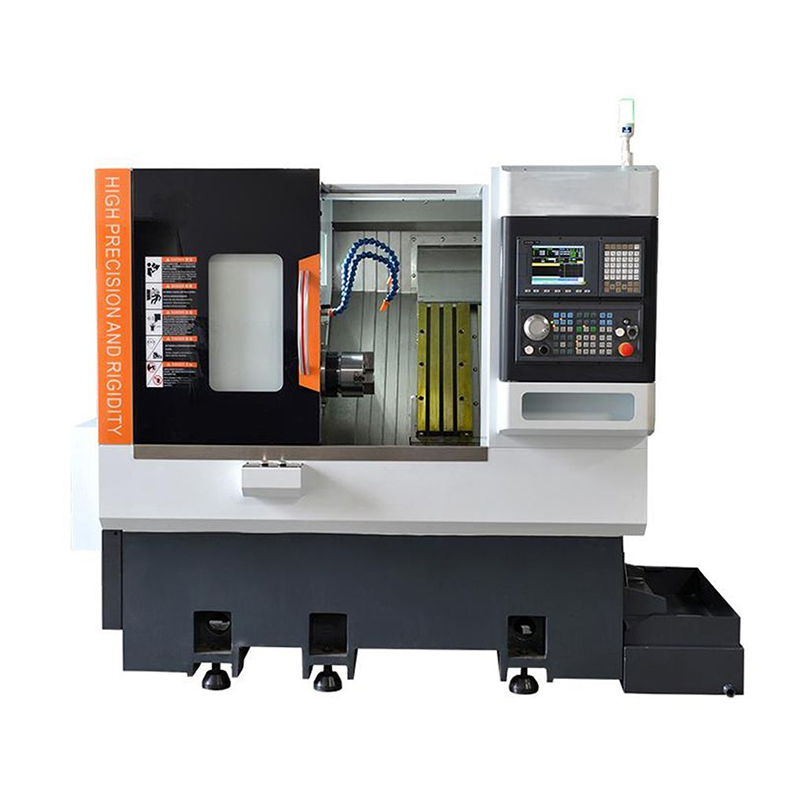
Carbon steel is a metal made primarily of iron and carbon, with carbon content up to 2%. The amount of carbon greatly affects its strength and hardness. Unlike alloy steel, carbon steel contains fewer alloying elements. Sometimes small amounts of manganese, silicon, or copper are added. These additions slightly improve strength or corrosion resistance but don’t change its basic properties much.
Carbon steel is known for its simplicity and versatility. It’s strong, tough, and can be heat-treated to become harder. This makes it a popular choice for many industrial and manufacturing applications, including CNC machining.
Carbon steel is classified based on carbon content:
● Low-Carbon Steel (Mild Steel): Contains up to 0.30% carbon. It’s soft, ductile, and easy to shape or weld. Used for structural parts, automotive panels, and pipes.
● Medium-Carbon Steel: Contains 0.31% to 0.60% carbon. Offers a balance of strength and ductility. Common in machinery parts, axles, and gears.
● High-Carbon Steel: Contains 0.61% to 1.50% carbon. Harder and stronger but less ductile. Used in cutting tools, springs, and high-strength wires.
● Ultra-High-Carbon Steel: Contains 1.51% to 2% carbon. Very hard and brittle. Often used for specialized tools and blades.
Each type suits different applications depending on strength, hardness, and flexibility needs.
Carbon steel is widely used in CNC machining because it is cost-effective and versatile. Its applications include:
● Structural Components: Low-carbon steel is common for frames, supports, and brackets.
● Machine Parts: Medium-carbon steel works well for gears, shafts, and fasteners.
● Cutting Tools: High-carbon steel is used for blades, punches, and dies due to its hardness.
● Automotive Parts: Various carbon steels serve under-the-hood components, chassis parts, and suspension systems.
Carbon steel’s machinability varies by grade. Low-carbon steel machines easily, while high-carbon steel requires more care due to hardness. Its weldability is generally good, making it convenient for assemblies.
Because of its affordability and wide availability, carbon steel is often the first choice for CNC parts that don’t require extreme strength or corrosion resistance.
When selecting carbon steel for CNC parts, choose the grade based on required hardness and machinability to optimize manufacturing efficiency and part performance.
Alloy steel generally offers higher strength and toughness than carbon steel. Thanks to its mix of alloying elements like chromium, nickel, and molybdenum, alloy steel can handle heavier loads and resist impacts better. For example, alloy steel shafts and gears often outperform those made from carbon steel in demanding environments.
Carbon steel, while strong, tends to have lower tensile strength. Its strength mainly depends on carbon content—higher carbon means harder but less ductile steel. Medium- and high-carbon steels strike a balance, but they usually don’t match the toughness of alloy steel. So, if your CNC parts face high stress or shock, alloy steel is often the safer choice.
Corrosion resistance is another key difference. Alloy steel often contains elements like chromium and nickel, which boost resistance to rust and oxidation. This makes alloy steel ideal for parts exposed to moisture, chemicals, or heat. For example, alloy steel components in power plants resist corrosion better than carbon steel alternatives.
Carbon steel has lower natural corrosion resistance. Unless coated or treated, it tends to rust faster, especially in harsh environments. However, carbon steel is highly heat-treatable, allowing it to become harder or more ductile depending on the process. Alloy steel also heat treats well but can offer better performance at elevated temperatures due to its alloying elements.
Cost is a major factor when choosing between alloy and carbon steel. Carbon steel is generally less expensive to produce and more widely available. Its simpler composition and mass production make it a budget-friendly choice for many CNC parts, especially when extreme strength or corrosion resistance isn’t critical.
Alloy steel costs more due to added elements and more complex manufacturing. This higher price reflects its superior performance in strength, toughness, and corrosion resistance. While alloy steel might raise upfront costs, it often saves money long-term by extending part life and reducing maintenance.
Availability varies by grade and supplier. Carbon steel grades are usually easier to source quickly. Alloy steel, especially specialized grades like tool steel or high-alloy types, might require longer lead times or minimum order quantities.
When comparing alloy and carbon steel for CNC parts, weigh strength and corrosion needs against budget and lead time to choose the best material for your project.
Alloy steel offers several key benefits that make it a top choice for many CNC machined parts. These advantages stem from its carefully engineered composition, which combines carbon with other elements like chromium, nickel, and molybdenum. Let’s explore the main reasons alloy steel often outperforms carbon steel in demanding applications.
One of alloy steel’s biggest strengths is its durability. The additional alloying elements improve hardness and toughness, which helps parts resist wear and tear over time. For CNC parts like gears, shafts, and bearings, this means longer service life and less frequent replacements. For example, molybdenum and chromium enhance wear resistance, making alloy steel ideal for components exposed to friction or heavy loads.
This wear resistance also reduces maintenance costs and downtime, which is critical in industrial settings. Alloy steel parts can handle abrasive environments better than many carbon steel grades, especially when heat-treated to optimize hardness.
Alloy steel excels in high-temperature environments where carbon steel might fail. Elements such as chromium and nickel boost heat resistance, allowing parts to maintain strength and structural integrity under thermal stress. This makes alloy steel perfect for CNC parts used in engines, turbines, and power plants.
For instance, alloy steel components in exhaust systems or chemical processing equipment withstand heat and corrosive gases better than carbon steel. This reliability at elevated temperatures reduces the risk of part deformation or failure, improving overall system safety and performance.
Another advantage of alloy steel is its versatility through custom alloying. Manufacturers can tailor the mix of elements to achieve specific properties, such as enhanced corrosion resistance, improved machinability, or increased toughness.
This customizability means alloy steel can be optimized for a wide range of CNC parts, from automotive components requiring high strength to tools needing exceptional hardness. For example, adding nickel improves toughness in cold environments, while adding vanadium can increase strength and wear resistance.
This flexibility allows engineers to select or design an alloy steel grade that best fits the demands of their particular application, balancing cost and performance efficiently.
When choosing alloy steel for CNC parts, consider which alloying elements best enhance the properties your application requires, such as chromium for corrosion resistance or molybdenum for wear resistance.
Carbon steel remains a popular choice for CNC parts due to its unique benefits, especially when cost and ease of manufacturing matter most. While alloy steel shines in high-performance settings, carbon steel offers practical advantages that make it a go-to material across many industries. Let’s dive into the main reasons why carbon steel often stands out for CNC machining projects.
One of carbon steel’s biggest appeals is affordability. It costs less to produce than alloy steel because it contains fewer alloying elements and requires simpler processing. This makes carbon steel an excellent choice when budgets are tight or when parts are needed in large quantities.
For CNC parts that don’t demand extreme strength or corrosion resistance, carbon steel delivers reliable performance at a fraction of the price. This cost advantage often leads to significant savings in manufacturing and overall project expenses.
Carbon steel, especially low- and medium-carbon grades, machines very easily. Its relatively soft nature compared to alloy steel means tools wear down slower and cutting speeds can be higher. This translates to faster production times and lower tooling costs.
Additionally, carbon steel is highly weldable. It can be joined using various welding methods without complex preparation or post-weld treatments. This flexibility allows manufacturers to create assemblies or repair parts efficiently, which is a major benefit in fabrication and prototyping.
However, higher-carbon steels require more care during machining and welding due to increased hardness and brittleness. Still, many CNC shops find carbon steel grades easier to work with overall than alloy steel.
Carbon steel’s range of grades—from low to ultra-high carbon—means it suits a wide variety of CNC parts. Low-carbon steel is great for structural components like frames, brackets, and supports. Medium-carbon steel balances strength and ductility, fitting for gears, shafts, and axles. High-carbon steel works well for cutting tools, springs, and blades that need hardness.
This versatility makes carbon steel a flexible choice for manufacturers serving diverse industries such as automotive, construction, machinery, and tooling. It can be heat-treated, coated, or plated to meet specific performance or aesthetic requirements.
For CNC parts requiring fast turnaround and budget-friendly production, consider low- or medium-carbon steel grades due to their excellent machinability and weldability.
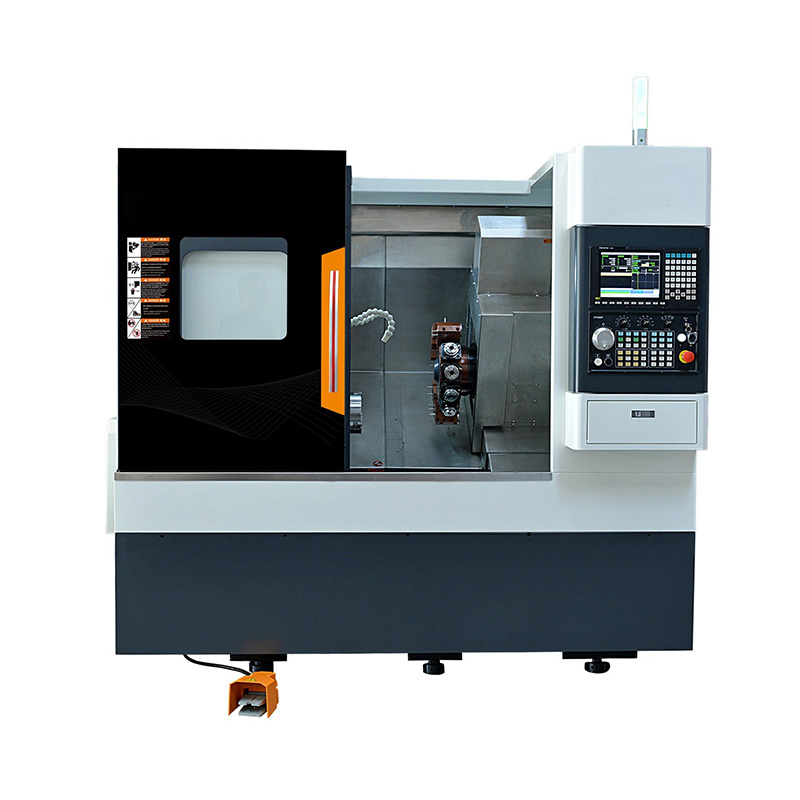
Selecting between alloy steel and carbon steel for CNC parts hinges on several key factors. First, consider the application. If the part must endure heavy loads, high stress, or impact, alloy steel’s superior strength and toughness often make it the better choice. For parts used in high-temperature environments, alloy steel usually performs better thanks to its heat-resistant alloying elements.
Next, think about the operating environment. Parts exposed to moisture, chemicals, or corrosive conditions benefit from alloy steel’s enhanced corrosion resistance. Carbon steel may require protective coatings or treatments in such cases to avoid rust. However, if the environment is relatively mild or indoors, carbon steel can be a cost-effective option.
Budget plays a significant role too. Carbon steel tends to be more affordable and easier to source, making it ideal for large production runs or projects with tight cost constraints. Alloy steel, while pricier, often offers longer service life and reduced maintenance, which can save money over time.
Additionally, consider machinability and weldability. Carbon steel, especially low- and medium-carbon grades, machines and welds more easily, speeding production and reducing tooling wear. Alloy steel may require more specialized tooling and techniques, especially high-alloy or tool steels.
● Automotive Gears: Gears in performance vehicles often use alloy steel for its strength and wear resistance, ensuring durability under stress.
● Structural Brackets: Low-carbon steel brackets in building frameworks provide sufficient strength at a lower cost.
● Cutting Tools: High-carbon or tool steel is preferred for blades and punches, offering hardness and edge retention.
● Chemical Plant Components: Alloy steel parts resist corrosion and high temperatures, extending equipment life in harsh chemical environments.
These examples show how matching material properties to use cases optimizes performance and cost.
Industry experts suggest starting material selection by clearly defining the part’s load requirements, environmental exposure, and budget limits. For critical, high-stress parts, alloy steel is usually recommended despite its higher cost. For general-purpose or cost-sensitive parts, carbon steel often suffices.
Experts also advise consulting with CNC machining providers early in the design process. They can recommend specific steel grades tailored to your needs and machining capabilities. Testing prototypes in the intended environment helps confirm material choice before full production.
Always align material selection with part function, environment, and budget to ensure CNC parts meet performance goals without overspending.
Alloy steel offers superior strength, toughness, and corrosion resistance, ideal for high-stress CNC parts. Carbon steel is cost-effective and easy to machine, suitable for general applications. Choosing between them depends on the application, environment, and budget. TAIZ. provides expert guidance and high-quality CNC machining services, ensuring optimal material selection for your needs. For more information on TAIZ.'s offerings and how they can enhance your project, explore their comprehensive resources and expert recommendations.
A: Alloy steel includes additional elements like chromium and nickel, enhancing strength, toughness, and corrosion resistance, making it ideal for demanding CNC machined parts. Carbon steel, primarily iron and carbon, is cost-effective and versatile, suitable for many CNC applications.
A: Alloy steel is chosen for metal CNC machine parts due to its superior strength, wear resistance, and heat resistance, making it ideal for high-stress and high-temperature environments.
A: Alloy steel is generally more expensive due to its complex composition and superior properties, while carbon steel is more affordable, making it suitable for budget-conscious CNC machining projects.


