
Views: 0 Author: Site Editor Publish Time: 2025-10-16 Origin: Site
When embarking on a CNC machining project, selecting the right steel material is crucial for ensuring optimal performance and cost efficiency. With a variety of steel types available, each offering distinct properties and benefits, understanding the composition, mechanical characteristics, and suitability for specific applications is essential. This guide will explore the key factors to consider when choosing steel for your CNC machining needs, helping you make informed decisions that align with your project requirements.
Steel is mainly iron mixed with carbon, ranging from about 0.02% to 2.1%. Even a tiny change in carbon content can alter its strength and hardness a lot. Other elements like manganese, chromium, nickel, and molybdenum are added to improve corrosion resistance, toughness, or machinability. Inside steel, different microstructures form, such as ferrite, austenite, martensite, and pearlite. These tiny structures affect how steel behaves under stress or heat.
Several key mechanical properties influence steel’s performance in CNC machining:
● Hardness: How well steel resists dents or scratches.
● Tensile Strength: The maximum pull steel can take before breaking.
● Yield Strength: The stress point where steel starts to permanently deform.
● Ductility: How much steel can bend without snapping.
● Toughness: Steel’s ability to absorb energy and resist cracking.
● Machinability: How easy it is to cut, shape, or finish steel.
These properties depend on steel’s composition, heat treatment, and how it was processed.
Carbon content plays a huge role in steel’s hardness and strength. Low carbon steel (under 0.3%) is soft, easy to machine, and flexible—ideal for parts needing good ductility. Medium carbon steel (0.3% to 0.6%) balances strength and flexibility, often heat-treated for better hardness. High carbon steel (over 0.6%) is very hard and strong but less flexible and harder to machine. It’s perfect for tools and wear-resistant parts.
Think of carbon atoms like obstacles inside the iron structure. More carbon means more obstacles, making it harder for atoms to slide past each other, so steel gets tougher and stronger. But this also means machining becomes more challenging, requiring special tools and slower cutting speeds.
Understanding the carbon content helps you choose steel that balances strength, machinability, and cost for your CNC project.
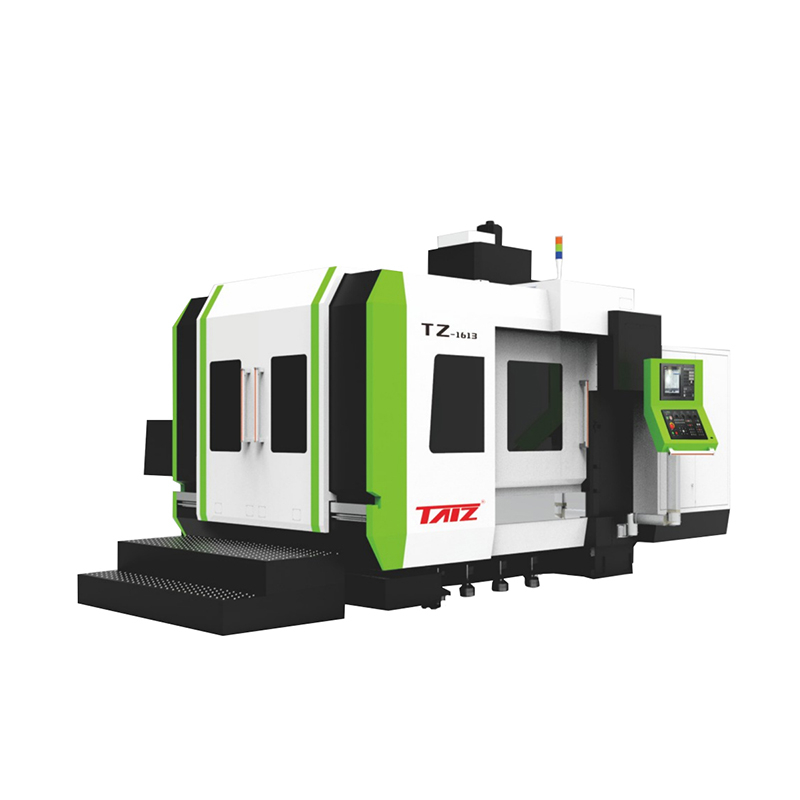
When selecting steel for CNC machining projects, understanding the main steel types helps you choose the best fit for your part's needs. Each type offers unique properties affecting strength, machinability, corrosion resistance, and cost.
Carbon steel is the most common type used in CNC machining. It mainly contains iron and carbon, with carbon content determining its hardness and strength.
● Low Carbon Steel (Mild Steel): Contains less than 0.3% carbon. It is soft, ductile, and easy to machine. Perfect for parts needing flexibility and weldability, like automotive body panels and structural components.
● Medium Carbon Steel: Carbon content between 0.3% and 0.6%. It balances strength and ductility and can be heat-treated for improved hardness. Commonly used for gears, shafts, and axles.
● High Carbon Steel: Contains 0.6% to 1.4% carbon. It is very hard and strong but less ductile and harder to machine. Ideal for cutting tools, springs, and wear-resistant parts.
Alloy steels include other elements like chromium, nickel, and molybdenum to enhance mechanical properties.
● Low Alloy Steel: Offers improved strength and toughness, good wear resistance, and heat treatability. Used in automotive parts, pipelines, and pressure vessels.
● High Alloy Steel: Provides high strength, excellent corrosion resistance, and heat resistance. Found in aerospace components and chemical processing equipment.
Stainless steel is prized for corrosion resistance due to its chromium content (at least 10.5%). It comes in several microstructure types:
● Austenitic Stainless Steel: Non-magnetic, excellent corrosion resistance, good ductility. Used in food processing, medical devices, and marine environments.
● Ferritic Stainless Steel: Magnetic, good corrosion resistance but lower toughness. Common in automotive exhausts and industrial equipment.
● Martensitic Stainless Steel: Magnetic, high hardness and strength, moderate corrosion resistance. Ideal for cutlery and surgical instruments.
● Duplex Stainless Steel: Combines austenitic and ferritic properties, offering high strength and corrosion resistance. Used in chemical plants and oil and gas industries.
Tool steel is designed for making cutting and shaping tools. It offers high hardness, abrasion resistance, and maintains a sharp edge.
● Water-Hardening Tool Steel (W-Series): High hardness, low cost, quenched in water. Used for hand tools and drills.
● Cold-Work Tool Steel (O, A, D-Series): Good wear resistance, retains hardness at low temps. Used for dies, punches, and shears.
● Hot-Work Tool Steel (H-Series): Maintains hardness at high temperatures, resists thermal fatigue. Found in forging dies and extrusion tools.
● High-Speed Tool Steel (M, T-Series): Exceptional hardness and wear resistance at high temps. Used for cutting tools like drill bits and end mills.
When choosing steel for CNC machining, match the steel type to your part’s function—use carbon steel for general parts, alloy steel for strength, stainless steel for corrosion resistance, and tool steel for cutting tools.
Choosing the right steel for your CNC machining project means balancing several key factors. Each factor affects how well the steel performs and how easy it is to machine. Let’s break down the most important ones.
First, think about what your part must do. Will it carry heavy loads or face constant wear? Does it need to absorb shocks without cracking? The steel you pick must meet these needs:
● Load-Bearing Capacity: The steel should handle the forces and stresses without bending or breaking.
● Wear Resistance: For parts that rub or slide, choose steel with enough hardness to resist wearing down.
● Impact Resistance: Toughness matters if the part faces sudden hits or shocks.
● Fatigue Resistance: Parts under repeated stress need steel that won’t fail after many cycles.
Matching steel’s mechanical properties to these needs ensures your part lasts as long as required.
Machinability means how easy it is to cut, shape, and finish steel using CNC machines. It directly affects production time and cost. Harder steels often wear down tools faster and need slower cutting speeds. Some steels produce burrs or chips that can spoil the surface finish. Consider these machinability factors:
● Hardness: Softer steels are easier to machine.
● Tool Wear: Some steels dull tools quickly, raising costs.
● Surface Finish: Choose steel that can achieve the smooth finish your part requires.
● Chip Formation: Steels that produce clean chips reduce cleanup and improve quality.
Good machinability means faster production and lower expenses.
Heat treatment changes steel’s hardness, strength, and toughness. But it also affects machinability and dimensional stability. Keep these points in mind:
● Desired Properties: Heat treatment can boost hardness or toughness to meet mechanical needs.
● Dimensional Stability: Some steels may warp or shrink after heat treatment, affecting precision.
● Machinability Post-Treatment: Heat-treated steel often becomes tougher to machine, so plan machining steps accordingly.
Decide if you need to machine steel before or after heat treatment for best results.
If your part faces moisture, chemicals, or harsh environments, corrosion resistance is crucial. Stainless steels with chromium resist rust well, but other steels may need coatings or treatments. Consider:
● Environmental Exposure: Will the part be outdoors, underwater, or in chemical contact?
● Steel Type: Stainless steel or alloy steel with corrosion-resistant elements may be best.
● Surface Treatments: Plating, painting, or other finishes can protect less resistant steels.
Choosing steel that withstands corrosion extends your part’s life and reduces maintenance.
Always align your steel choice with your part’s mechanical demands and machining capabilities to optimize performance and cost-efficiency.
Selecting the right steel for your CNC machining project means balancing performance and budget. Cost and availability play a huge role in this decision. Let’s explore the key factors that affect your overall expenses and timelines.
Steel prices vary widely depending on the grade, alloying elements, and market conditions. Basic carbon steels like 1018 or 1045 cost less than specialty alloy or stainless steels. Tool steels and high-performance alloys often carry premium prices due to their complex compositions and processing requirements.
Here’s what impacts material cost:
● Steel Grade: Higher alloy content or specialty steels cost more.
● Form and Size: Larger billets or custom shapes increase cost.
● Market Fluctuations: Steel prices can change due to supply-demand, tariffs, or raw material costs.
● Certification and Quality: Certified steels with traceability or special testing add to price.
Always factor in your project volume. Buying in bulk may reduce per-unit cost, but small runs might bear higher unit prices.
Machining cost depends heavily on the steel’s machinability and the complexity of the part. Harder steels or those with poor machinability cause:
● Increased Tool Wear: Frequent tool changes or specialized tooling raise expenses.
● Longer Cycle Times: Slower cutting speeds and feeds extend machining duration.
● Higher Labor Costs: Skilled operators may be needed for challenging materials.
● Secondary Operations: Heat treatment or surface finishing adds time and cost.
For example, machining 303 stainless steel is easier and faster than working with hardened tool steel, reducing machining costs. But if your application demands tool steel’s hardness, the added machining expense is justified.
Availability of steel grades and forms can affect your project schedule. Some specialty alloys or custom sizes may have long lead times.
Consider these points:
● Stock vs. Custom: Common grades like 1018 carbon steel are widely stocked, allowing quick delivery. Exotic alloys or large sizes may require ordering from mills.
● Supplier Reliability: Choose suppliers known for consistent quality and timely shipments to avoid delays.
● Geographic Location: Local suppliers reduce shipping time and costs.
● Material Certification: Some projects require certified material, which can extend lead times.
Planning ahead and communicating with suppliers ensures you get the right steel on time.
To control costs and avoid delays, balance your steel grade choice between required performance and material availability, and always discuss lead times with your supplier before finalizing your order.
Choosing the right steel grade is key for CNC machining success. Different grades offer unique balances of strength, machinability, and cost. Let’s explore some popular steel grades often used in CNC projects.
1018 is a low-carbon steel known for its good balance of strength, ductility, and weldability. It contains about 0.18% carbon, making it soft and easy to machine. This grade is ideal for parts like shafts, pins, and machinery components that don’t require extreme strength but need good formability.
● Properties: Easy to cut and shape, can be case-hardened for surface wear resistance.
● Applications: General-purpose parts, prototypes, structural components.
1045 is a medium-carbon steel with roughly 0.45% carbon content. It offers higher strength and hardness than 1018, making it suitable for parts that must endure more stress. It machines well and can be heat-treated to increase hardness.
● Properties: Good strength and wear resistance, moderate machinability.
● Applications: Gears, axles, bolts, shafts.
4140 is a chromium-molybdenum alloy steel prized for excellent strength, toughness, and wear resistance. It can be heat-treated for even better mechanical properties. Machinability is good, but tougher than low-carbon steels.
● Properties: High tensile strength, fatigue resistance, good machinability.
● Applications: Automotive parts, tooling, aerospace components.
303 stainless steel is an austenitic stainless alloy with added sulfur to improve machinability. It offers good corrosion resistance and is easier to machine than other stainless steels. This grade is a great choice for parts requiring both corrosion resistance and efficient machining.
● Properties: Excellent machinability, moderate corrosion resistance.
● Applications: Fasteners, bushings, fittings.
Match steel grade to part function—use 1018 for easy machining and general use, 1045 for stronger parts, 4140 for high-strength applications, and 303 stainless when corrosion resistance and machinability matter most.
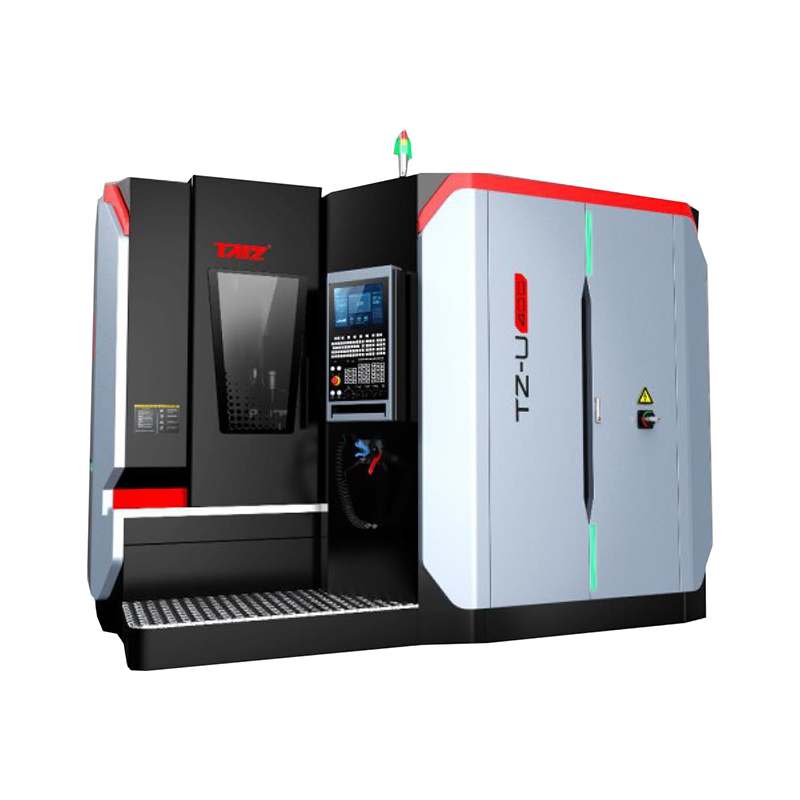
The automotive sector demands steel that balances strength, wear resistance, and cost. Parts like gears, shafts, and axles often use alloy steels such as 4140 and 4340. These grades provide excellent toughness and fatigue resistance, crucial for components facing constant stress. For body panels and structural parts, low-carbon steels like 1018 offer good formability and weldability at a lower cost. Stainless steels such as 304 or 316 are common in exhaust systems or trim parts where corrosion resistance matters.
Aerospace applications require steels with high strength-to-weight ratios and exceptional fatigue resistance. Alloy steels like 4340 are favored for landing gear and structural components due to their superior toughness and ability to withstand extreme conditions. Stainless steels such as 17-4 PH and 15-5 PH are used when corrosion resistance and strength must coexist, often in fasteners or hydraulic components. The choice often leans toward materials that maintain mechanical properties at varying temperatures and stresses.
Medical equipment demands materials that are biocompatible, corrosion-resistant, and easy to machine. Austenitic stainless steels like 304 and 316 fit well here, offering excellent corrosion resistance and good machinability. Surgical instruments and implants benefit from these steels’ ability to resist body fluids without degrading. Tool steels such as 420 and 440C are used for cutting tools due to their high hardness and wear resistance, essential for precision and durability in medical applications.
This industry operates in harsh, corrosive environments requiring steels that resist wear, pressure, and chemical attack. Duplex stainless steels like 2205 and 2507 provide high strength and exceptional corrosion resistance, making them ideal for pipelines, valves, and offshore equipment. Alloy steels such as 4140 and 4340 are common in downhole tools and drilling equipment, offering durability under high stress and temperature. Material selection here prioritizes longevity and resistance to environmental degradation.
Tailor steel selection to your industry's unique demands by considering mechanical stress, corrosion exposure, and required machinability to optimize part performance and lifespan.
Selecting the right steel for CNC machining involves understanding steel properties, types, and factors influencing selection. Future trends may enhance steel's machinability and performance. TAIZ offers high-quality steel materials tailored to your project's needs, combining strength, durability, and cost-effectiveness to ensure optimal results. With TAIZ, you receive expert guidance and exceptional products that elevate your machining projects.
A: Stainless steel, particularly austenitic types like 304 or 316, is ideal for metal CNC machine projects needing corrosion resistance, offering excellent protection and good machinability.
A: Carbon content affects steel's hardness and machinability. Low carbon steel is easier to machine, while high carbon steel offers strength but requires special tools for CNC machining.
A: Alloy steel enhances mechanical properties like toughness and heat resistance, making it suitable for metal CNC machine parts needing high strength and durability.
A: Steel costs vary by grade and availability. Basic carbon steels are affordable, while specialty alloys and tool steels for CNC machining carry higher prices.


