
Views: 0 Author: Site Editor Publish Time: 2025-09-22 Origin: Site
As the demand for complex parts and shorter production timelines increases, vertical machining has to keep up with these demands. Understanding the key trends in this area will help manufacturers make informed decisions and adapt to the ever-changing landscape of CNC machining.
One of the biggest shifts happening in vertical machining is the integration of automation and robotics. Manufacturers are increasingly turning to automated systems for a variety of processes, including vertical turning machining. Automation reduces the reliance on manual labor, increases production speeds, and improves consistency and precision.
Vertical turning machining processes can be streamlined using robotic arms for loading and unloading parts. This reduces human intervention and the risk of errors while increasing throughput. Robotic arms can be programmed to handle various tasks, from material handling to tool changes, making them highly adaptable.
The concept of lights-out manufacturing, where machines operate without human intervention, is gaining traction in vertical machining. This trend is enabled by automation and smart manufacturing systems that monitor and adjust the machining process in real time. Vertical turning machining systems are becoming more autonomous, allowing manufacturers to run machines during off-hours, maximizing efficiency.
Automating various parts of the vertical machining process also helps manufacturers maximize machine utilization. By running machines at full capacity during off-hours, manufacturers can reduce idle time and improve their return on investment. This results in faster turnaround times for clients and a more cost-effective operation overall. Consider investing in robotic systems for your vertical turning machining operations to increase efficiency and reduce production times.
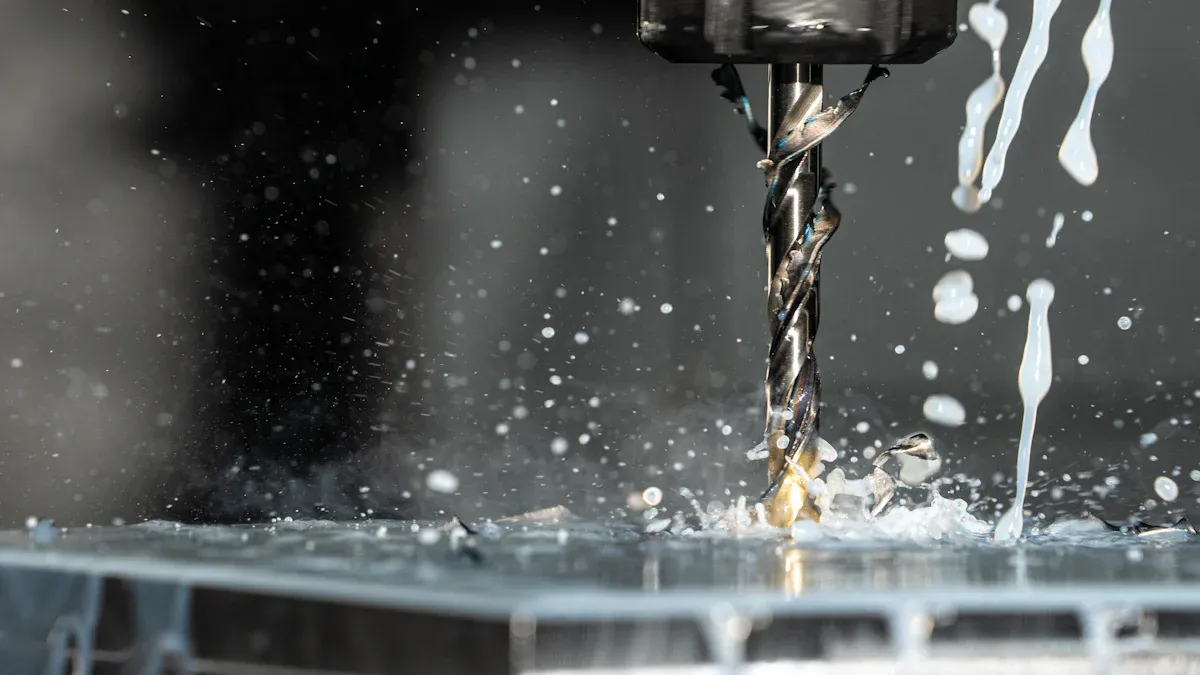
Vertical turning machining is not just about automation but also about improving the technology behind the machinery itself. The machines of 2025 will feature significant improvements that focus on speed, precision, and ease of use.
As vertical turning machining continues to evolve, spindles and tooling are becoming more advanced. Manufacturers are now able to cut harder materials with increased precision. The future of vertical turning machines will see spindles that offer higher torque, better rigidity, and enhanced cooling systems, all of which contribute to more efficient machining of tougher materials.
Another trend in 2025 will be the rise of multi-function vertical turning centers that combine turning, milling, and other processes in a single setup. This trend reduces the need to transfer parts between different machines, resulting in shorter lead times and higher accuracy.
In 2025, vertical turning machining systems will feature higher cutting speeds and faster feed rates. This trend is crucial for meeting the demands of industries that require rapid production, such as the automotive and aerospace sectors. High-speed machining not only reduces cycle times but also improves surface finish quality. Investing in multi-function vertical turning centers can help reduce setup time and increase production flexibility.
As Industry 4.0 continues to make its mark on manufacturing, the integration of artificial intelligence (AI) and the Internet of Things (IoT) into vertical machining systems is becoming more widespread. These technologies are allowing machines to become "smarter" and more capable of self-monitoring.
AI-driven predictive maintenance is one of the key benefits of integrating smart technology into vertical turning machines. These systems use data from sensors embedded in machines to predict potential failures before they occur. This helps avoid downtime and reduces the cost of unexpected repairs.
IoT-enabled vertical turning machines can be monitored in real time, allowing operators to track their performance remotely. This means that adjustments can be made instantly, whether that’s adjusting the speed of a spindle or switching tools. Real-time data collection and monitoring make it easier to optimize the machining process for efficiency.
With AI, vertical turning machining processes can be continuously optimized. AI algorithms analyze data from various sensors and adjust the machining parameters for optimal performance. This leads to higher productivity and reduced waste. Leverage AI-driven predictive maintenance and real-time monitoring to enhance the reliability and performance of your vertical turning machines.
Sustainability is no longer just a buzzword—it's becoming a necessity in manufacturing. In 2025, vertical turning machining systems will be designed with more energy-efficient features and reduced waste.
Manufacturers are placing more emphasis on energy-efficient vertical turning machines to reduce operational costs and environmental impact. These machines will use less power while maintaining the same level of performance, contributing to a more sustainable manufacturing process.
Vertical turning machining will also see improvements in waste management, particularly in terms of material recycling. As manufacturers are pushed to become more sustainable, these systems will allow for better recycling of scrap materials and more efficient use of raw materials.
Manufacturers will be adopting green manufacturing practices in 2025. This includes using eco-friendly lubricants, reducing emissions, and minimizing the use of hazardous chemicals in the machining process. These efforts will help companies meet stricter environmental regulations and improve their corporate social responsibility profiles. Adopting energy-efficient vertical turning machining systems can help reduce operational costs while supporting sustainability initiatives.
As vertical machining technology advances, so does the need for a more skilled workforce. In 2025, the demand for machinists who are well-versed in the latest vertical turning machining systems will grow.
With the integration of AI, IoT, and advanced robotics, there is a growing need for workforce training programs that focus on these new technologies. Operators will need to understand how to interact with these systems and make real-time adjustments to the machining process.
Existing employees will also need upskilling to adapt to new machinery and software. Manufacturers will need to invest in ongoing training programs to ensure their workers remain competitive and knowledgeable about the latest machining technologies.
The skills gap in manufacturing is a challenge, but manufacturers can address this by collaborating with educational institutions and offering apprenticeships. This will help ensure that the next generation of machinists is prepared to work with the latest vertical turning machining systems. Invest in workforce training and skill development to ensure your team can effectively operate the latest vertical turning machining systems.
As we approach 2025, vertical turning machining will undergo major transformations driven by automation, AI, and sustainability. Manufacturers who embrace these advancements will secure a competitive edge in an increasingly challenging market.
By investing in cutting-edge machinery, improving processes, and training staff, manufacturers can stay ahead in the fast-evolving CNC machining world. Taiz Intelligence is at the forefront of these innovations, offering advanced vertical turning machining solutions that promise higher precision and efficiency.
The future of vertical turning machining holds exciting opportunities for those ready to adapt. Stay ahead of the curve by adopting the latest vertical turning machining technologies from Taiz Intelligence and investing in the growth of your workforce.
A: Vertical turning machining refers to a process where a workpiece is rotated vertically while cutting tools remain stationary. In 2025, innovations like automation and AI are expected to enhance its precision and speed.
A: AI will play a crucial role by optimizing production processes, ensuring better precision, and reducing downtime in vertical turning machining. This is a key trend in the future of vertical machining.
A: Some future trends include the integration of automation, AI, and sustainability into vertical machining. These technologies will drive efficiency, reduce costs, and improve product quality.


