
Views: 0 Author: Site Editor Publish Time: 2025-09-21 Origin: Site
Vertical machining centers (VMCs) have revolutionized modern manufacturing. Their ability to perform high-precision machining, including both milling and turning operations, makes them indispensable. Through vertical turning machining, VMCs offer unparalleled efficiency and versatility. In this article, we will explore the key advantages and applications of vertical machining centers, highlighting how they drive innovation and improve manufacturing processes across various industries.
Vertical machining centers are recognized for their ability to perform multiple tasks with high precision. Their primary advantages include speed, accuracy, and flexibility.
VMCs excel in providing precise cuts and measurements. In industries where tight tolerances are crucial, such as aerospace or medical device manufacturing, the ability of VMCs to produce parts with micron-level accuracy is invaluable. The machines' advanced control systems ensure that each component is produced to the exact specifications, reducing the likelihood of errors. When choosing a VMC for your operation, ensure the machine’s accuracy matches your specific tolerance requirements to maintain the quality of your parts.
The multi-axis capability of VMCs allows operators to perform a wide range of complex operations simultaneously. This includes milling, drilling, tapping, and even turning, reducing the need for multiple machines. The ability to work across multiple axes improves both speed and flexibility, especially when dealing with intricate geometries that would be difficult to produce using traditional methods.
VMCs help streamline the manufacturing process. By automating many of the manual processes and reducing the number of setups required, these machines drastically cut down machining cycle times. Furthermore, they are equipped with high-speed spindles that help accelerate material removal, making them ideal for high-volume production runs. Investing in a VMC with automated tool changers and high-speed spindles can lead to a significant reduction in overall production time and labor costs.
In addition to improving efficiency, VMCs are cost-effective. Their ability to combine multiple machining processes in a single setup minimizes the need for expensive additional machines and tooling. Over time, this can reduce both operational costs and capital expenditures, making VMCs a sound investment for manufacturers.
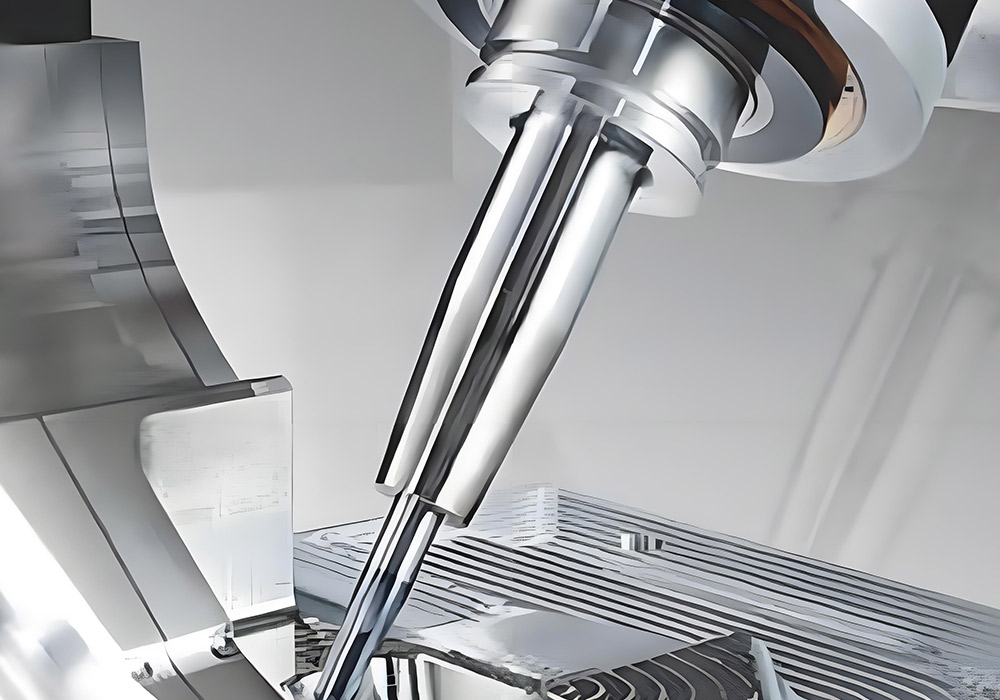
The versatility of VMCs allows them to be applied across a wide range of industries. From aerospace to electronics, these machines are essential for producing high-quality, complex components.
The aerospace industry relies on VMCs to produce high-precision components such as turbine blades, engine parts, and structural components. These parts require tight tolerances and the highest levels of accuracy to ensure safety and performance. VMCs are ideally suited for these applications because they can meet the strictest quality standards while reducing production time.
In the automotive industry, VMCs are used to produce a variety of components, including engine blocks, transmission parts, and braking systems. Their ability to perform multiple tasks in one setup, such as milling, drilling, and tapping, helps improve both productivity and consistency. VMCs also allow for fast production of high-quality parts with minimal downtime between operations. For automotive manufacturers, selecting a VMC with multi-axis capabilities can help streamline the production of complex parts and reduce machine downtime.
VMCs are crucial in the medical industry for producing complex components like surgical instruments, orthopedic implants, and prosthetics. These components must meet stringent regulatory standards and have tight tolerances to ensure they function as intended. VMCs enable manufacturers to meet these high demands for precision and repeatability.
The electronics industry depends on VMCs for producing delicate components such as circuit boards and connectors. VMCs can perform intricate milling and drilling operations with high precision, ensuring that even the most intricate features are accurately fabricated. The ability to handle fine materials, like PCBs, makes VMCs ideal for the production of electronic parts.
If your production involves delicate materials, consider a VMC with an integrated cooling system to prevent damage during the machining process.
Vertical turning machining is an extension of VMC capabilities that provides additional functionality. This process allows for both turning and milling operations in a single setup, making it ideal for producing complex parts with rotational features.
With vertical turning machining, VMCs can handle both turning and milling operations. This capability makes VMCs suitable for producing parts that require features like precision threads, smooth cylindrical surfaces, and complex profiles. The ability to perform these operations in one machine reduces the need for additional setups and equipment, increasing productivity and precision.
Vertical turning machining allows for better workpiece handling. By securing the part vertically, the machine can perform both turning and milling tasks without needing to reposition the part. This minimizes setup times and ensures better accuracy since the part remains fixed in place throughout the process. Vertical turning machining is particularly beneficial when producing parts with a mix of rotational and prismatic features, such as shafts or housings.
Vertical turning machining is ideal for components that require cylindrical or rotational features, such as shafts, gears, and flanges. It allows manufacturers to perform both turning and milling operations simultaneously, saving time and improving the overall quality of the part.
Automation plays a critical role in improving the efficiency of VMCs. By integrating automated features, manufacturers can reduce labor costs, increase production rates, and maintain consistent quality.
Modern VMCs are equipped with automated tool changers that reduce downtime between operations. This allows for continuous machining without the need for manual intervention, improving production efficiency.
Some VMCs integrate robotic arms for material handling, which helps automate the loading and unloading of parts. This reduces the need for manual labor, allowing operators to focus on other tasks and ensuring that the machine operates at full capacity without interruptions.
Tip: When selecting a VMC, consider the level of automation you require. High levels of automation can significantly boost throughput and reduce manual labor costs.
VMCs are becoming increasingly integrated with Internet of Things (IoT) technology. This allows manufacturers to collect and analyze data in real-time, enabling remote monitoring and adjustments. By using IoT, manufacturers can ensure that the machine is always operating at optimal levels, reducing downtime and improving efficiency.
While VMCs are known for their capabilities in high-volume production, they are also highly beneficial for smaller production runs. Their flexibility allows for rapid changes in production, making them ideal for prototype manufacturing and low-to-medium batch production.
VMCs are well-suited for the production of custom and prototype parts. With their precise control systems and ability to handle a wide range of materials, VMCs allow manufacturers to quickly adapt to new designs and production requirements.
VMCs are designed to reduce setup times, which is especially beneficial for short production runs. The ability to quickly change tools and adjust machining parameters means that manufacturers can move from one part design to another without significant delays.
VMCs are scalable, meaning they can easily transition from prototype manufacturing to full-scale production. This makes them ideal for manufacturers looking to grow their operations without investing in additional machinery.
While VMCs offer numerous advantages, it is essential to consider some potential challenges before implementation.
VMCs can require a significant initial investment. While they offer long-term savings, the upfront cost may be prohibitive for some manufacturers. It is important to weigh the potential return on investment against the initial expenditure.
Operating a VMC requires specialized skills. Ensuring that your team has the necessary training and expertise is crucial for maximizing the machine's capabilities. This can involve both initial training and ongoing education as technology evolves.
Like all machinery, VMCs require regular maintenance to keep them operating efficiently. Investing in a maintenance plan can help ensure the longevity of the machine and reduce the risk of costly breakdowns. Ensure your operators and maintenance team are well-trained and equipped to handle the VMC’s needs. Proper maintenance can extend the life of the machine and reduce unplanned downtime.
Vertical machining centers offer a wide range of benefits, including high precision, versatility, and efficiency. Their ability to handle both milling and turning operations, particularly through vertical turning machining, makes them a valuable asset for a variety of industries. Whether used in aerospace, automotive, medical device manufacturing, or electronics, VMCs help improve product quality while reducing production time and costs. As technology continues to evolve, VMCs will remain a cornerstone of modern manufacturing, driving innovation and efficiency in industries worldwide.
Taiz Intelligence offers advanced vertical machining centers designed for precision and reliability. Their products provide exceptional value across multiple industries, helping companies improve production processes and achieve higher quality results.
A: Vertical machining centers offer high precision, efficiency, and versatility. They are ideal for a wide range of industries, providing better product quality while reducing production time and costs.
A: Vertical turning machining allows VMCs to handle both milling and turning operations, providing greater flexibility in manufacturing and enabling more complex part production.
A: Industries such as aerospace, automotive, and medical device manufacturing benefit from the precision and efficiency offered by vertical machining centers, improving product quality and operational efficiency.


