
Views: 0 Author: Site Editor Publish Time: 2025-09-11 Origin: Site
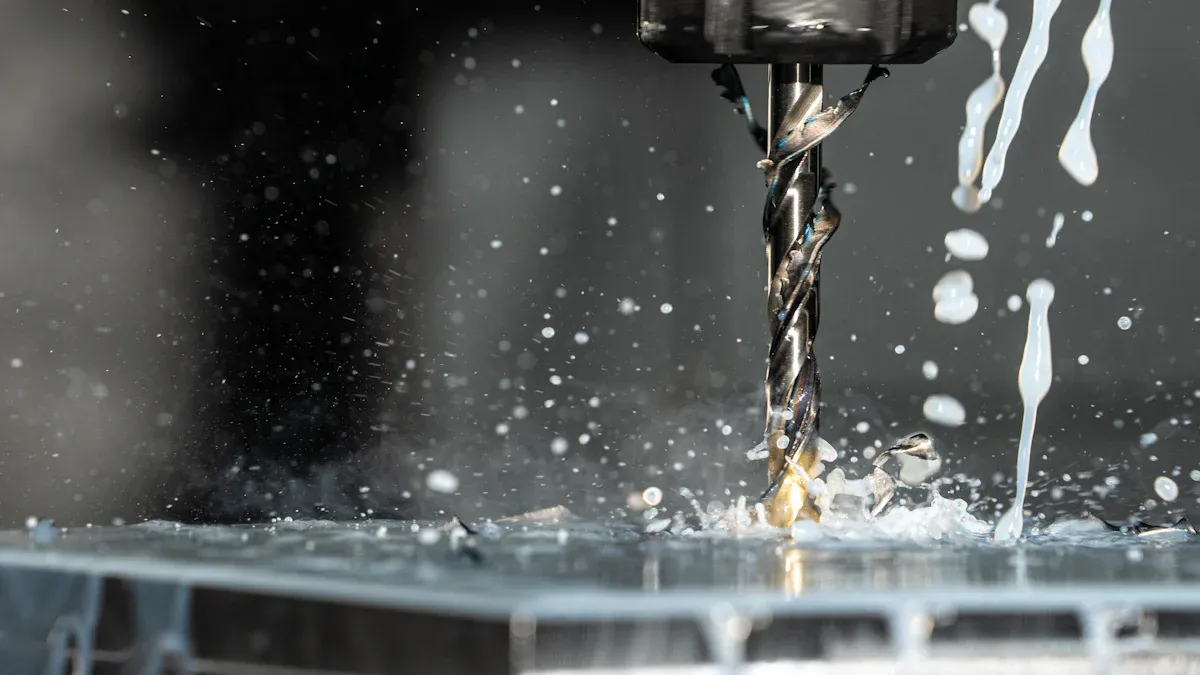
You can use TAIZ CNC Machining Centers to machine CNC machining bronze in 2025. Bronze is strong, does not rust easily, and has a smooth appearance. By selecting the right bronze alloy, setting up your CNC machine, and following the best practices, you can achieve excellent results. TAIZ ensures you get high accuracy and can work efficiently.
Tip: Experiment with real-life examples and test different bronze grades to discover what works best for your project.
Pick the best bronze alloy for your job. Every alloy is different and changes how well it works and lasts.
Set up your TAIZ CNC Machining Center with care. A good setup keeps things accurate and stops errors when machining.
Use strong tools and good coolants. Carbide tools work longer and make machining better. Coolants help tools work well.
Make your machining process better. Change spindle speed and feed rate to save time and work faster.
Watch your machining process as it happens. This helps you find problems early and keep your bronze parts high quality.
Bronze is often picked for cnc machining because it has many good points. It is easy to cut and shape, so you can work with it without trouble. Bronze does not rust, so it is great for places with water or bad weather. It is strong, so it can handle hard jobs. You can use bronze for parts that move a lot or carry heavy things. Bronze also moves heat well, which helps in some projects. It does not make much friction, so it is good for sliding parts and bearings.
Here is a table that lists the main features of bronze:
Property | Description |
|---|---|
Machinability | Bronze is easy to machine and gives good results. |
Corrosion Resistance | Bronze does not rust, even in wet or salty places. |
Strength | Bronze is tough and works for hard tasks. |
Thermal Conductivity | Bronze moves heat, which helps in many uses. |
Low Friction | Bronze keeps parts from wearing out fast. |
Bronze cnc machining is used in many areas. Some examples are:
Aerospace
Automotive
Marine
Medical
Hydraulics
Mining
Refining
Electrical systems
Bronze machining services help make parts for these jobs. You can count on bronze to work well for your cnc needs.
If you pick TAIZ CNC Machining Centers for bronze, you get great results. TAIZ machines are very accurate, so your bronze cnc machining meets high standards. You can use special features like multi-axis control and fast spindles to finish work quickly. TAIZ lets you do many types of machining, like milling and turning, so you can make hard bronze parts easily.
TAIZ CNC Machining Centers are good for bronze because they keep your work exact and tools last longer. You can trust TAIZ for steady quality and fast work. TAIZ also gives expert help, so you get answers when you need them. If you want the best bronze machining, TAIZ has the tools and support to help you do well.
There are many bronze alloys you can pick for CNC machining. Each one has special features for different jobs. Some common bronze alloys are:
C932 Bearing Bronze (SAE 660): This alloy is easy to machine. It works well for bearings because the lead inside helps parts move smoothly.
C954 Aluminum Bronze: This alloy is very strong and does not rust easily. You can use it for tough jobs.
C544 Phosphor Bronze: This alloy is good for springs. It also lets electricity pass through well.
C863 Manganese Bronze: This alloy is very strong. It is harder to machine, but it is good for parts that need extra strength.
Think about which bronze alloy you need before you start. Picking the right one helps you do your work better.
You need to think about a few things when picking a bronze alloy for CNC machining. The right choice helps you get what you want. Here is a table that shows what to look for:
Criteria | Description |
|---|---|
Strength and durability | How strong and tough the alloy needs to be |
Corrosion resistance | If the alloy can handle water or bad weather |
Aesthetic considerations | If you care about the color and look |
Cost and availability | How much it costs and if you can get it easily |
Ask yourself these questions when you choose:
Does the part need to last a long time?
Will it touch water or chemicals?
Does the color or look matter?
Can you find the alloy and is it in your budget?
You get the best results when you match the bronze alloy to your needs and how you will use it.
You might wonder how bronze is different from other metals in CNC machining. Bronze has its own special features. It is good to know how it compares to brass, copper, and aluminum. Here is a table that shows how easy each metal is to machine:
Metal | Machinability Level | Notes |
|---|---|---|
Bronze | Low | It is hard and stiff, so it is harder to machine |
Brass | High | It is the easiest to machine and work with |
Copper | Moderate | It is okay to machine but can be sticky |
Bronze is harder and tougher than brass and copper. It can be harder to machine, but it is stronger and lasts longer. Brass is the easiest to machine, so it is good for simple parts. Copper is good for electrical parts, but it can be sticky when you machine it.
You can see how easy it is to machine different bronze alloys in the chart below:
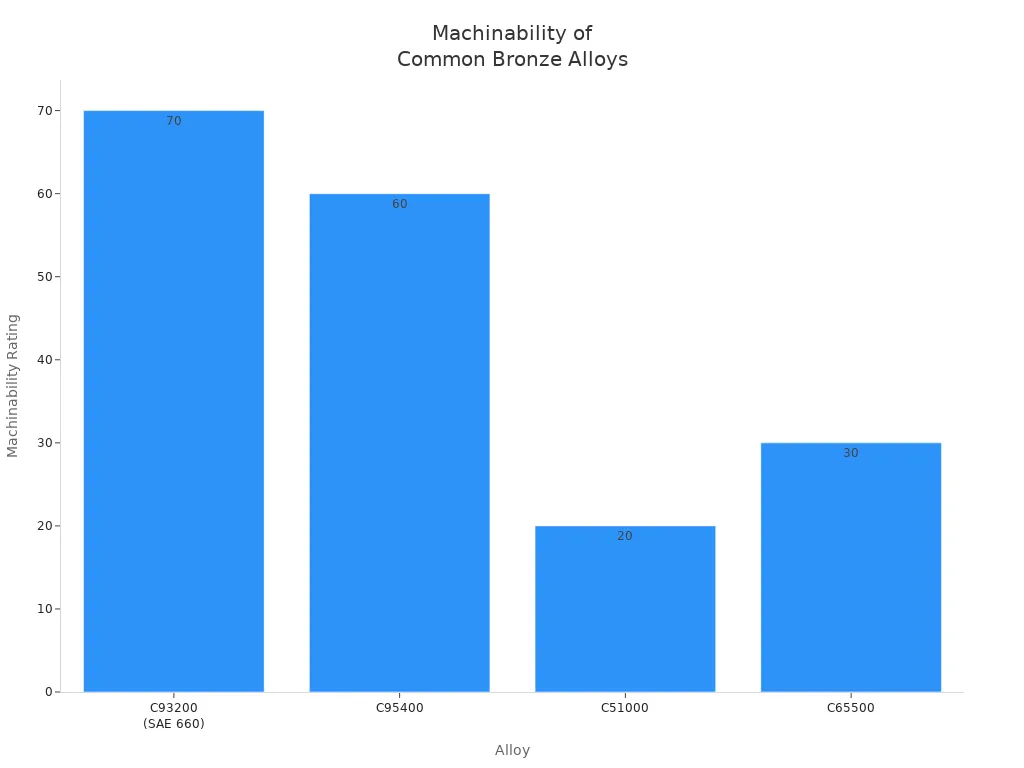
Use the selection tips to pick the best bronze alloy for your job. The right choice helps you get good results and quality in your work.
Tip: Always check if the alloy is easy to machine and make sure your CNC machine can handle it. This helps your tools last longer and gives you a nice finish.
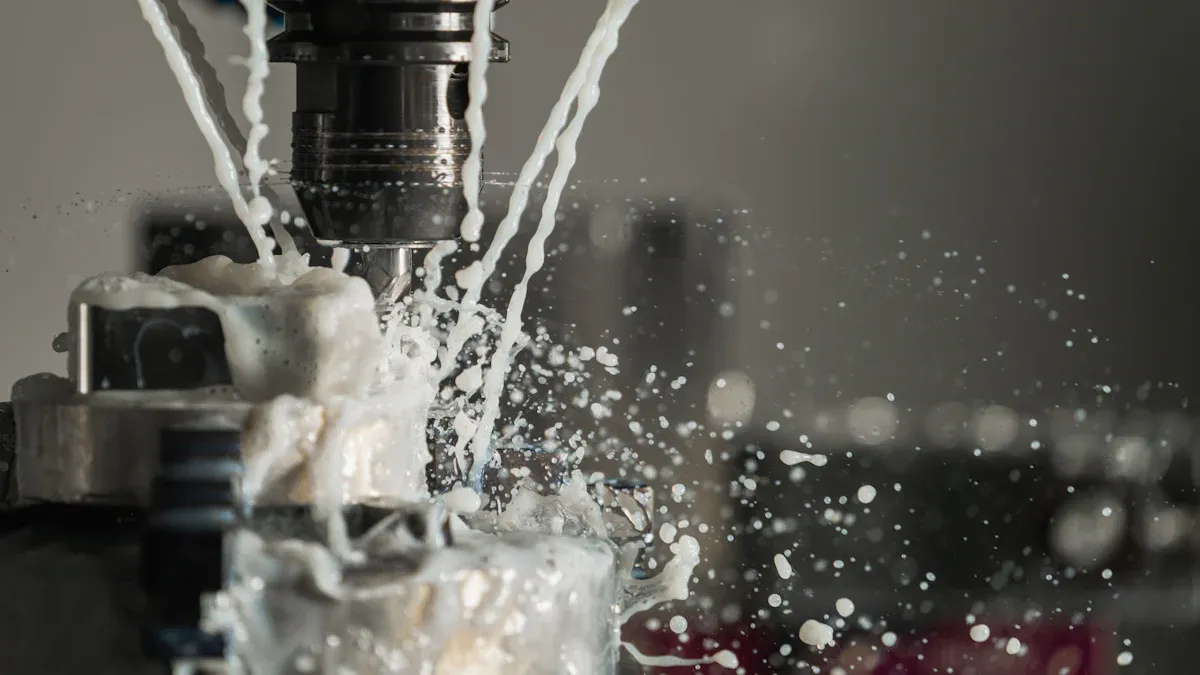
First, you need to set up your bronze part. Put the bronze piece on the TAIZ CNC Machining Center table. Hold it tight with clamps or a vise. Make sure the surface is clean and has no oil or dust. Use a dial indicator to check if it is lined up right. This step helps you get very accurate cuts and keeps the bronze steady while you work.
Pick the right fixture for your bronze part. TAIZ CNC Machining Centers have many fixture choices. You can change the fixture to fit different bronze parts. This makes setup faster and helps you make parts more accurately. Always check the part’s position before you start cutting.
Tip: Check your setup twice before you start. This helps you avoid mistakes and get the best results when machining bronze.
CNC milling bronze takes careful planning. Pick the best cutting settings for your bronze alloy. Aluminum bronze needs sharp tools because it is rough on tools. Carbide tools work well at fast speeds. High-speed steel tools are better at slow speeds. Always use coolant to keep the bronze cool and the size correct.
TAIZ CNC Machining Centers can do advanced milling jobs. You can set the spindle speed up to 12,000 rpm. This helps you cut bronze quickly and very accurately. Change the feed rate and depth of cut to match your bronze alloy. Watch your settings to stop tools from wearing out or getting too hot.
Note: Coolant helps your tools last longer and keeps bronze parts the right size.
CNC turning bronze helps you make round bronze parts. Set the lathe to the right speed and feed rate. Use sharp tungsten carbide tools for the best results. Keep the cutting temperature low so the bronze does not get soft, especially with tin bronze.
TAIZ CNC Machining Centers can turn bronze parts very accurately. Change the settings for each job. Check your tools often because bronze can wear them out fast. Always check the size and surface of your part while you work.
Here is a table of best ways to turn bronze:
Best Practice | Description |
|---|---|
Use of Coolants | Use water-based coolant or synthetic oil to cool tools |
Proper Setup | Put the part in the right place and set the lathe to the right speed |
Tool Wear Inspection | Look at your tools often to see if they are worn out |
Cleaning Post-Machining | Wash the part after cutting to get rid of chips and fluids |
Quality Checks | Use calipers and micrometers to check size and surface |
Tip: Always use sharp tools and watch your settings for the best turning results.
Picking the right tool is important for bronze machining. Carbide tools are best because they are hard and last long. High-speed steel tools are good for slow, detailed work. You can use special coatings like Titanium Nitride (TiN) or Titanium Carbonitride (TiCN) to help tools last longer and cut smoother.
Here is a table of good tools and coatings for bronze:
Cutting Tools | Description |
|---|---|
Carbide Tools | Hard, last long, and keep a sharp edge |
High-Speed Steel (HSS) Tools | Good for slow, careful work |
TiN Coating | Makes tools last longer and resist wear |
TiCN Coating | Makes tools harder and reduces friction |
Set the right cutting speed, feed rate, and depth for each job. TAIZ CNC Machining Centers let you change these settings for better results. Always match your tool and settings to your bronze part for the best outcome.
Coolant and lubrication are very important when machining bronze. You can use synthetic fluids, semi-synthetic fluids, or straight oils. Synthetic fluids last a long time and cool bronze well. Semi-synthetic fluids are good for fast cutting. Straight oils give great lubrication but do not cool as much.
Here is a table of coolants you can use:
Coolant Type | Description | Advantages | Disadvantages |
|---|---|---|---|
Synthetic Fluids | Last long and cool bronze well | Stay good for a long time, cool well | Can cost more |
Semi-Synthetic Fluids | Mix of oil and other things | Good for fast cutting | Must be mixed carefully |
Straight Oils | Only oil, no water | Lubricate very well | Do not cool as much |
Check the coolant for pH and how strong it is. Keep the right mix for good lubrication. Use filters to take out dirt. Skim the top to remove bad stuff. TAIZ CNC Machining Centers help you manage coolant for accurate and steady work.
Note: Good coolant and lubrication help your tools last longer and keep your bronze machining smooth.
You can improve your bronze cnc machining results by optimizing your toolpath. This step helps you save time and get a smoother finish. When you plan your toolpath, you should use a 0.75-inch indexable insert ball nose end mill for semi-finishing. For the final pass, switch to a 0.5-inch ball nose end mill. These tools work well with bronze and help you reach high precision.
Rest machining is another smart way to boost efficiency. This method lets you re-machine areas that were missed before. You avoid air cutting and reduce retract movements. The dynamic in-process stock model updates your toolpath as you work. This feature helps you cut cycle time and makes your bronze machining process faster.
Tip: Always check your toolpath before you start. A good plan helps you avoid mistakes and keeps your cnc machine running smoothly.
You want your bronze parts to look and feel smooth. To get the best surface finish, use sharp tools and set the right feed rate. Clean your bronze part before and after machining. TAIZ CNC Machining Centers help you control spindle speed and feed rate for better results. Try to use a finishing pass with a smaller tool to remove any marks left by rough cuts.
Here is a simple table to help you choose the best settings:
Setting | Recommendation |
|---|---|
Spindle Speed | High for fine finish |
Feed Rate | Low for smooth surface |
Tool Type | Sharp carbide tools |
Note: A clean surface means your bronze cnc machining looks professional and lasts longer.
You can keep your tools working longer by following the best practices for cnc machining. Tungsten carbide tools work well with bronze, especially aluminum bronze. These tools stay sharp and resist wear, even at high speeds. You can remove more material and finish jobs faster. This method helps you lower tool wear rates and keeps your machining process efficient.
Always check your tools during bronze machining. Replace them if you see signs of wear. Use coolant to keep tools cool and prevent damage. TAIZ CNC Machining Centers let you monitor tool life and adjust settings for the best results.
Tip: Use carbide tools and coolant to get the best performance and save money on tool replacements.
When you machine bronze, you face several tool wear issues. These machining challenges can affect your results and make it hard to keep precision. You often see the following problems:
Flank wear: The sides of your cutting tool wear down over time. You can reduce this by choosing the best cutting conditions and using coated tools.
Crater wear: The top surface of your tool, where chips slide, gets damaged. You can fix this by picking the right tool material and using coolants.
Built-up edge (BUE): Bronze can stick to your tool’s edge. This causes a rough finish. You can avoid this by adjusting your cutting speed and using coolants that stop sticking.
Thermal cracking: Quick changes in temperature can crack your tool. You can control this by keeping your machining environment stable and using coolants well.
You should check your tools often. Replace them when you see wear. This helps you keep the best quality in your cnc machining.
Bronze has high thermal conductivity. This helps move heat away from your work area. You still need to manage heat to avoid damage and keep precision. Here are some techniques you can use:
Technique | Description |
|---|---|
Through-spindle coolant | This method gives better lubrication and keeps abrasive particles away from the cutting edge. |
Consistent coolant temperature | Keeping coolant at 68°F ±2°F helps you get steady results and lowers the risk of thermal damage. |
Efficient heat management is one of the best ways to handle machining challenges. You should always use coolants and keep their temperature steady. This helps your tools last longer and keeps your bronze parts in top shape.
Chip formation is another challenge when you machine bronze. Bronze often makes stringy chips. These chips can wrap around your tool and slow down your cnc process. Brass, on the other hand, makes small, broken chips that are easier to handle.
Feature | Bronze (General) | Brass (e.g., C360) |
|---|---|---|
Chip Formation | Stringier (depends on alloy) | Small, broken chips |
Stringy chips can block your tool and affect the finish. You should use sharp tools and adjust your feed rate to break chips. Good chip control helps you avoid problems and keeps your machining process smooth.
Tip: Always watch your chips during cnc machining. Quick action helps you solve machining challenges and get the best results with bronze.
You can keep your cnc machines working well with predictive maintenance. This method helps you find problems before they stop your work. TAIZ CNC Machining Centers use smart technology to make bronze machining more reliable. Sensors and software watch for trouble signs. These tools help you plan repairs and avoid sudden stops.
Here is a table with some popular predictive maintenance technologies:
Technology | Description |
|---|---|
Condition Monitoring | Shows how your equipment works. You can guess when it needs fixing. |
Vibration Analysis | Finds machine problems early. This helps keep cnc machining accurate. |
Thermal Imaging | Spots heat issues. This helps control quality and save energy. |
Machine Learning | Checks data for patterns. You can know when your cnc machine needs service. |
Condition Based Monitoring | Watches for changes in your machine. You get alerts before something breaks. |
Tip: Use predictive maintenance to help your bronze machining center work its best.
You can get better bronze machining results with real-time monitoring. This lets you watch your cnc process as it happens. You see data about speed, temperature, and tool wear. If something goes wrong, you can fix it fast.
Statistical Process Control (SPC) helps you collect and study production data. You can find problems early and stop bad bronze parts from being made. In-process inspection lets you check trends while you work. You can catch mistakes before your parts are out of tolerance. This keeps your machining quality high and your process steady.
Note: Real-time monitoring helps you make the best bronze parts every time.
TAIZ gives digital factory solutions that connect your cnc machining centers with smart software. You can track every step of your bronze machining process. The system sends reports, alerts, and tips. You can see how your machines work and plan jobs better.
With TAIZ Digital Factory Integration, you get:
Automatic data collection from your cnc machines
Alerts for tool wear and when to do maintenance
Reports on bronze machining quality and cycle times
Easy ways to schedule jobs and repairs
You can use these tools to make your shop run better. You save time and get great results from your bronze machining projects.
When you finish machining, you must remove burrs and clean your bronze parts. Burrs are tiny, sharp edges that can hurt how your part works. There are a few good ways to do this:
Electrolytic deburring uses electricity to get rid of burrs fast. This works well for tricky shapes and places you cannot see. The process only takes a few seconds.
Abrasive flow deburring pushes thick, gritty stuff over the part. This makes rough edges smooth and shines the surface.
Cutting fluids help during deburring. They keep tools cool, lower rubbing, and wash away bits. This keeps the bronze safe and clean.
Pick the method that matches your part’s shape and size. Clean bronze parts last longer and work better.
Polishing makes your bronze parts smooth and shiny. You can use different polishing methods. Each one is good for certain jobs. Here is a table to help you pick the best way:
Polishing Technique | Description | Advantages |
|---|---|---|
Mechanical Polishing | Uses cutting and shaping to make the surface smooth | Works fast, costs less, gives a very neat finish |
Chemical Polishing | Melts tiny bumps to even out the surface | Needs simple tools, good for tricky shapes, quick results |
Electrolytic Polishing | Uses electricity to take off small peaks for a smooth finish | Better than chemical, no problems with the cathode |
Bonded Abrasive Polishing | Uses tools with grit for deep or careful polishing | Good for big areas and small, detailed spots |
You get the best results when you match the polishing way to your bronze part. A smooth finish helps your part look nice and work well.
You need to check your bronze parts to make sure they are good quality. Use the right tool for each job. Here is a table that shows common tools and what they do:
Instrument | Best For | Precision Level | Typical Use Case (Bronze Parts) |
|---|---|---|---|
Digital Caliper | Quick, general checks | Medium | Length, width, outside diameters |
Micrometer | Very exact measurements | High | Shaft sizes, wall thickness |
CMM (Coordinate Measuring Machine) | Hard 3D shapes, tight fits | Very High | Complex housings, parts with many features |
Surface Roughness Tester | Checking how smooth the surface is (Ra) | High | Bearing surfaces, sealing faces |
You should also follow quality rules. ISO 9001 helps you meet what customers want. ISO 16949 is needed for car parts. AS9100 is used for airplane parts. These rules help you make the best bronze parts every time.
You need to watch your material and tooling costs when working with bronze. Bronze is more expensive than some metals, so you should plan your budget before starting. You can save money by choosing the right bronze alloy for your cnc project. Some alloys cost less and still give you good results. Tooling costs also matter. Carbide tools last longer but cost more up front. High-speed steel tools are cheaper but wear out faster. You should match your tool choice to your machining needs. If you use the best tools for bronze, you can lower your overall costs.
Item | Cost Impact | Tip for Savings |
|---|---|---|
Bronze Alloy | High | Pick alloy for your job |
Carbide Tools | Medium to High | Use for tough jobs |
HSS Tools | Low | Use for simple cuts |
Tip: Always check your material and tool costs before you start your cnc machining process.
You can make your cnc machining faster by using smart strategies. Advanced tooling technologies help you cut bronze quickly. High-performance cutting tools and adaptive tool control systems save you time. High-speed machining techniques, like helical milling, boost your material removal rates. Machine tool rigidity also helps you work faster. Efficient tool change systems, such as automatic tool changers, reduce non-cutting time. You should optimize your cutting parameters, including spindle speed, feed rate, and coolant application, for the best efficiency.
Use high-performance cutting tools for bronze.
Try high-speed machining techniques to remove material quickly.
Set up automatic tool changers to save time.
Adjust spindle speed and feed rate for each job.
Note: Fast cycle times help you finish more bronze parts and keep your cnc shop running smoothly.
You want to get the most good parts from your bronze cnc machining. You can do this by checking your process for scrap points. Lean and Six Sigma methods help you cut waste and improve quality. Always pick high-quality bronze for your jobs. Real-time monitoring lets you spot problems early and fix them fast. You should train your operators so they know the best ways to run the machines. Watch your machine health to avoid scrap events. Separate and recycle metal types to save money and help the environment.
Audit your process to find scrap points.
Use Lean and Six Sigma to cut waste.
Pick the best bronze for your cnc jobs.
Monitor machines and train your team.
Recycle scrap metal for extra savings.
Tip: Maximizing yield means you get more good bronze parts and spend less on waste.
You get great results with cnc machining bronze by doing a few things. Pick the bronze alloy that fits your project. Set up your TAIZ CNC Machining Center carefully. Use smart automation to make bronze machining faster. Always try to make your process better for top quality. If your cnc machining bronze project is hard, ask TAIZ for help or more information.
You can use C932 Bearing Bronze for most jobs. It machines easily and gives smooth results. If you need extra strength, try C954 Aluminum Bronze. Always match the alloy to your project needs.
You should use carbide tools and apply coolant during machining. Check your tools often for signs of wear. Replace worn tools quickly to keep your parts accurate.
Yes, you can machine complex bronze parts with TAIZ CNC Machining Centers. The machines offer multi-axis control and high precision. You can create detailed shapes and tight tolerances.
You can use abrasive flow deburring or electrolytic deburring. Wash the parts with cutting fluid to remove chips and dirt. Clean parts last longer and work better.
You should use high-speed machining and automatic tool changers. Optimize spindle speed and feed rate for your bronze alloy. Fast cycle times help you finish more parts quickly.


