
Views: 0 Author: Site Editor Publish Time: 2026-06-01 Origin: Site
Have you ever wondered when to take your 3D printed parts to the next level? CNC machining can significantly enhance quality and precision. In this article, we’ll explore the key factors to consider before CNC machining your 3D printed components. You’ll learn about design maturity, functional requirements, and production volume needs.
Before deciding to CNC machine your 3D printed parts, evaluate the maturity of your design. Is your design stable enough that you can produce larger quantities without significant changes? If you find yourself making constant adjustments, it’s best to stick with 3D printing for now. CNC machining is most beneficial when you have a final design that meets your functional and aesthetic requirements. As a rule of thumb, if you’ve finalized the design and are ready for production, it’s time to consider CNC machining.
Next, assess the functional requirements of your parts. Are they meant for high-stress applications or critical assemblies? If your 3D printed parts need to endure significant mechanical loads or environmental conditions, CNC machining may be necessary. This process can enhance the strength and durability of the parts, ensuring they meet industry standards. For example, in sectors like aerospace or medical, where precision and reliability are paramount, CNC machining can provide the necessary enhancements to meet stringent specifications.
Finally, consider your production volume needs. CNC machining is often more cost-effective for medium to high-volume production runs. If you anticipate needing hundreds or thousands of parts, CNC machining can significantly reduce production time and costs. Conversely, if you only need a handful of prototypes, 3D printing remains the more economical choice. It allows for rapid iterations and modifications without the upfront costs associated with CNC machining setup.
In summary, the decision to CNC machine your 3D printed parts hinges on the maturity of your design, the functional requirements of your parts, and your production volume needs. When all these factors align, CNC machining can complement your 3D printing efforts, enhancing the quality and functionality of your final products.
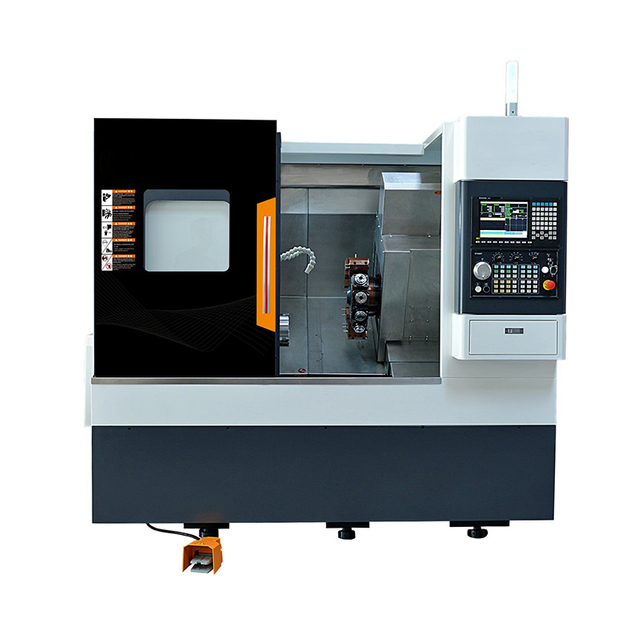
One of the most significant advantages of CNC machining for 3D printed parts is the enhanced dimensional accuracy it provides. While 3D printing can achieve tolerances of around ±0.1 mm, CNC machining can tighten those tolerances down to ±0.025 mm. This level of precision is crucial in industries like aerospace and medical, where even the slightest deviation can lead to failures or safety issues. CNC machining allows manufacturers to create parts that fit perfectly in assemblies, ensuring reliability and performance.
CNC machining also excels in delivering superior surface finishes compared to 3D printing. 3D printed parts often have visible layer lines and surface imperfections due to the additive process. CNC machining can smooth out these surfaces, providing a polished finish that meets aesthetic and functional requirements. For example, components that will be visible in a final product, such as consumer electronics or automotive interiors, benefit greatly from this enhanced finish, leading to better customer satisfaction and product quality.
When it comes to production volume, CNC machining can be more cost-effective than 3D printing, especially for medium to high-volume runs. While 3D printing is excellent for prototyping and small batches, the costs can escalate with larger quantities due to longer print times and material use. CNC machining, on the other hand, can quickly produce a large number of parts with consistent quality and lower per-unit costs. This efficiency is particularly beneficial for businesses looking to scale up production without sacrificing quality.
In summary, CNC machining offers improved dimensional accuracy, enhanced surface finishes, and cost efficiency for 3D printed parts. These benefits make it a valuable complement to 3D printing, particularly in industries where precision and quality are paramount.
CNC machining plays a crucial role in the rapid prototyping phase of product development. When you need to move quickly from concept to physical part, CNC machining offers a speed advantage over traditional manufacturing methods. Unlike injection molding, which requires time-consuming tooling preparation, CNC machining can directly create parts from CAD files. This means engineers can produce prototypes quickly, test them, and iterate designs without long lead times.
For instance, consider a tech company designing a new gadget. They can 3D print initial prototypes to test form and fit, then use CNC machining to create precise functional prototypes for performance testing. This rapid turnaround allows them to refine their designs based on real-world feedback, significantly shortening the development cycle.
Another advantage of CNC machining in prototyping is its ability to facilitate iterative design improvements. Once a prototype is produced, engineers can evaluate its performance and identify areas for enhancement. CNC machining allows for quick modifications to the part, enabling teams to implement changes rapidly.
For example, if a prototype part fails a stress test, engineers can adjust the design in the CAD model, then CNC machine a new version. This iterative process can happen multiple times, allowing teams to refine their designs until they meet all functional and aesthetic requirements. The flexibility of CNC machining ensures that design changes can be made efficiently, supporting a more agile development process.
CNC machining also plays a vital role in testing and validating prototypes. When precision and performance are critical, CNC-machined parts can be produced to exact specifications, ensuring they accurately represent the final product. This is particularly important for industries such as aerospace and medical devices, where even minor deviations can lead to significant issues.
For instance, a medical device company may prototype a surgical instrument using CNC machining to ensure it meets stringent regulatory standards. By testing these prototypes in realistic conditions, they can validate their designs before moving into full production. This thorough testing phase not only enhances product reliability but also builds confidence in the manufacturing process.
In summary, CNC machining is invaluable in the prototyping phase, allowing for rapid production, iterative design improvements, and thorough testing and validation of parts. This ensures that products are not only functional but also meet the high standards required in today's competitive markets.
Integrating CNC machining and 3D printing into a cohesive workflow can significantly enhance the manufacturing process. The combination allows manufacturers to leverage the strengths of both technologies, maximizing efficiency while minimizing waste.
Design Phase: Start by designing parts with both manufacturing methods in mind. Use CAD software to create models that can be easily adapted for both 3D printing and CNC machining. Consider which features benefit from additive manufacturing and which require the precision of subtractive machining.
Production Phase: Begin by 3D printing the part to near-net shape. This allows for rapid prototyping and quick iterations based on design feedback. Once the part is printed, transfer it to a CNC machine for finishing. This step ensures tight tolerances and superior surface finishes that 3D printing alone may not achieve.
Feedback Loop: Maintain a continuous feedback loop between 3D printing and CNC machining. This allows for adjustments to be made quickly, ensuring that design improvements can be implemented without significant delays.
Choosing the right materials is crucial for successful integration. Not all materials used in 3D printing are suitable for CNC machining, and vice versa.
Material Selection: Select materials that can withstand both processes. For example, certain thermoplastics work well for 3D printing and can also be machined effectively. Metals like aluminum and titanium are commonly used in CNC machining and may also be integrated into hybrid workflows.
Thermal Properties: Be aware of the thermal properties of materials. Different materials expand and contract at varying rates when heated or cooled. This can lead to warping during the CNC machining phase if not properly accounted for.
Testing and Validation: Conduct tests to ensure the material's performance meets the required specifications after both manufacturing processes. This is especially important in industries where safety and reliability are paramount, such as aerospace and medical sectors.
Utilizing the right software tools is essential for effective integration of CNC machining and 3D printing.
CAD/CAM Software: Use integrated CAD/CAM software solutions that can handle both additive and subtractive processes. Programs like Autodesk Fusion 360 and SolidWorks facilitate the transition from 3D printing to CNC machining by allowing users to generate compatible tool paths for both processes.
Simulation Tools: Employ simulation software to predict potential issues before production begins. This can help identify stress areas or material warping, enabling adjustments to be made early in the design phase.
Data Management: Implement robust data management systems to keep track of design iterations, material specifications, and production schedules. This streamlines the workflow and enhances collaboration between design and manufacturing teams.
When preparing 3D printed parts for CNC machining, design plays a crucial role. First, ensure that your design accounts for the unique characteristics of both manufacturing processes. It's essential to leave sufficient material for machining—this means adding extra stock to critical areas that require precise dimensions. For example, if a part needs to be milled down to specific tolerances, it's vital to design it with extra material in those spots.
Next, identify areas of tight tolerance in your design. Communicating these critical dimensions to your CNC service provider can help them recommend adjustments to optimize the part for machining. Increasing wall thickness in certain areas or selecting appropriate sizes for features can enhance the machining process.
Lastly, consider the accessibility of features. Some intricate geometries may be difficult for CNC tools to reach. If possible, position critical features in areas that are more accessible to machining tools. This will help ensure that the final product meets the required specifications without compromising the design.
Before sending your 3D printed parts for CNC machining, follow a few essential preparation steps. First, verify that the parts are clean and free of any debris or residues from the 3D printing process. This cleanliness helps avoid contamination during machining, ensuring a better finish.
Next, inspect the parts for any defects that may have occurred during printing. Look for warping, layer separation, or any surface imperfections that could affect the machining process. Addressing these issues before machining can save time and reduce costs.
Additionally, ensure that your parts are properly oriented for machining. Misalignment can lead to inaccuracies, so it's crucial to have a clear plan for how the parts will be fixtured in the CNC machine. Using jigs or fixtures specifically designed for the part's geometry can help maintain alignment and accuracy during the machining process.
After CNC machining, several post-processing techniques can enhance the quality of your parts. One common method is surface finishing, which can include sanding, polishing, or coating. These techniques improve the aesthetic appeal and surface quality, making the parts more suitable for end-use applications.
Another important aspect of post-processing is inspection. Conducting a thorough inspection of the machined parts ensures they meet the required specifications. Using tools like calipers and gauges can help confirm that tolerances are maintained throughout the part.
If necessary, additional machining steps like deburring or edge finishing can be performed to remove sharp edges or burrs left from the machining process. This step is crucial for parts that will be handled frequently or need to fit into assemblies.
In summary, following best practices in design, preparation, and post-processing can significantly improve the quality and functionality of CNC machined 3D printed parts. By addressing these areas, manufacturers can enhance efficiency and ensure that their final products meet the highest standards.
CNC machining is essential for optimizing 3D printed parts. It enhances design maturity, meets functional requirements, and reduces production costs. Improved dimensional accuracy and surface finishes are significant benefits. Combining these technologies streamlines workflows and supports rapid prototyping. As material science advances, hybrid manufacturing will grow, increasing efficiency. Companies like Taiz offer valuable services, ensuring high-quality production and innovative solutions that meet industry demands. Embracing these technologies will keep your manufacturing competitive and effective.
A: CNC machining is a subtractive manufacturing process that uses computer-controlled machines to create precise parts from various materials.
A: You should CNC machine your 3D printed parts when your design is mature, meets functional requirements, and you need medium to high production volumes.
A: CNC machining offers improved dimensional accuracy, enhanced surface finishes, and cost efficiency for larger production runs compared to 3D printing.
A: CNC machining allows for precise prototypes that can be tested quickly, enabling rapid iterations and design improvements based on real-world feedback.


