
Views: 0 Author: Site Editor Publish Time: 2026-06-01 Origin: Site
Are you considering investing in a CNC milling machine? Understanding what to look for can be overwhelming. This article will guide you through essential features and considerations. You’ll learn about machine structures, precision components, control systems, and more to help you make an informed decision.
The foundation of any CNC milling machine is its structure. A rigid machine structure is crucial for maintaining precision during machining operations. When a machine is rigid, it minimizes vibrations and flexing, which can lead to inaccuracies in the finished product. High-quality CNC milling machines are often constructed from materials like Meehanite cast iron, known for its thermal stability and strength. This type of construction provides a solid base that reduces the likelihood of micro-shifting during heavy cutting.
Vertical machining centers (VMCs) with one-piece bed construction are particularly effective. They offer a solid foundation, ensuring consistent performance across all three axes. The rigidity of the machine allows for tighter tolerances, which is essential for high-precision applications.
The choice of materials in CNC milling machine construction significantly impacts performance. Machines made from cast iron or high-grade steel are preferred due to their ability to absorb vibrations and maintain dimensional accuracy. These materials also contribute to thermal stability, preventing expansion that could affect machining precision.
In contrast, machines built with lighter materials, such as aluminum, may be less stable. While they can be more portable, they often sacrifice rigidity and precision. Therefore, when evaluating CNC milling machines, prioritize those made from robust materials to ensure long-term performance and reliability.
The weight of a CNC milling machine plays a vital role in its overall performance. Heavier machines tend to offer better stability under load, which is essential for maintaining accuracy during cutting operations. A machine's weight helps dampen vibrations, allowing for smoother operation and improved surface finishes.
Moreover, the weight can influence the machine's ability to handle various materials. Heavier machines are typically better suited for machining harder materials, such as steel or titanium, while lighter machines may struggle with precision under similar conditions. When selecting a CNC milling machine, consider its weight as a critical factor in ensuring it meets your production needs effectively.
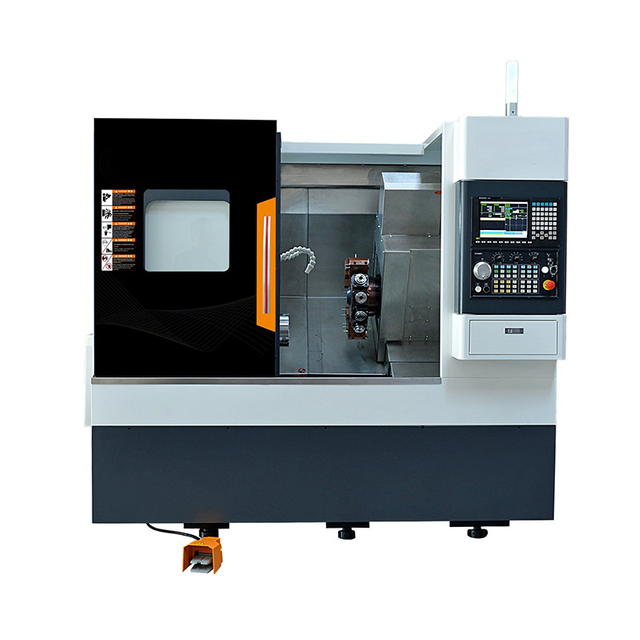
In CNC milling machines, precision is paramount, and the choice of linear guideways and ball screws plays a critical role in achieving this. High-precision linear guideways provide a smooth and accurate path for the machine's moving parts. They minimize friction, which is essential for maintaining consistent feed rates and ensuring ultra-fine control over toolpaths. Look for guideways that are precision-ground, as they enhance the machine's overall accuracy.
Ball screws are another vital component. They convert rotational motion into linear motion with minimal backlash, which is crucial for maintaining positioning accuracy. High-quality ball screws, especially those that are preloaded, can achieve positioning repeatability within ±0.003 mm or better. This level of precision is critical when working on tight-tolerance parts, where even the slightest deviation can lead to significant errors.
The spindle is often referred to as the heart of a CNC milling machine. Its performance directly influences the quality of the machining process. For high-precision work, it is essential to select a spindle that is thermally stable and dynamically balanced. Spindles supported by high-grade bearings—such as P4-class—help minimize vibration and runout, which can compromise accuracy.
When evaluating spindles, consider whether they are direct-drive or belt-driven. Direct-drive spindles tend to offer smoother operation and better performance compared to gear-driven alternatives. Additionally, effective cooling systems, such as oil or air circulation around the spindle, are crucial to maintaining consistent temperatures. This prevents thermal expansion, which could negatively affect machining precision.
In high-precision machining, even minor misalignments during tool changes can lead to rejected parts. Therefore, the accuracy and rigidity of the tool changer are vital. A high-quality automatic tool changer (ATC) should provide precise tool positioning and strong clamping mechanisms. This ensures that each tool is perfectly aligned for every operation.
Machines equipped with BT-40 or BT-50 spindle taper types offer enhanced tool rigidity, especially when working with harder materials. Advanced CNC milling machines may also include features like tool length measurement and automatic compensation. These additional capabilities further enhance dimensional control, ensuring that the machine maintains its precision throughout the machining process.
CNC milling machines rely heavily on advanced control systems to ensure precision and efficiency. These systems translate complex designs into actionable commands for the machine. Modern CNC controls come equipped with powerful processors that handle intricate calculations and real-time adjustments, allowing for high-speed machining and improved accuracy.
Look for systems that support high-speed look-ahead processing. This feature enables the machine to anticipate the next moves, optimizing feed rates and minimizing jerkiness during operation. Additionally, nano interpolation technology enhances the smoothness of movements, crucial for creating fine details in machined parts.
Another important aspect is the integration of thermal compensation algorithms. These algorithms adjust the machine's operations based on temperature changes, ensuring consistent performance even in varying conditions. This is particularly important for maintaining precision in high-speed machining environments where heat can affect both the machine and the material being worked on.
Software integration plays a critical role in the functionality of CNC milling machines. The right software can streamline the workflow from design to production, making it easier to create complex parts with high precision. Look for machines that are compatible with popular CAD/CAM software, as this can significantly reduce programming time and errors.
Conversational programming features are also beneficial, especially for less experienced operators. These user-friendly interfaces simplify the programming process, allowing users to input commands in plain language rather than complex code. This can lead to faster setup times and increased productivity.
Moreover, remote monitoring capabilities are becoming essential. They enable operators to track machine performance in real-time, allowing for quick adjustments and troubleshooting. This feature not only enhances productivity but also minimizes downtime, which is crucial for maintaining efficient operations.
When selecting a CNC milling machine, pay attention to the following features in its control system:
User Interface: A clear, intuitive interface can significantly reduce the learning curve for new operators.
Simulation and Verification: This feature allows users to visualize the machining process before actual cutting begins, preventing potential errors and collisions.
Adaptive Control Software: Look for systems that adjust feeds and speeds based on real-time conditions, such as tool wear or material resistance. This can enhance tool life and improve surface finishes.
Closed-loop Feedback Systems: These systems provide real-time data on the machine's performance, helping to maintain precision and accuracy throughout the machining process.
By focusing on these features, you can ensure that your CNC milling machine is equipped with a robust control system that enhances its capabilities and supports high-precision machining.
When selecting a CNC milling machine, your first step is to clarify your intended purpose. What do you plan to manufacture? The answer to this question significantly influences your choice. For instance, if you’re focused on prototyping, you might prioritize different features than if you’re producing high-volume parts.
Next, consider the materials you'll be working with. CNC milling machines can handle a variety of materials, including metals, plastics, and wood. If you plan to machine harder materials like titanium or stainless steel, you’ll need a machine with higher rigidity and a powerful spindle. Conversely, if you’re primarily working with softer materials like aluminum, a less robust machine may suffice.
Precision is key in CNC machining. Different applications require varying degrees of accuracy. For example, aerospace components demand tighter tolerances compared to woodworking projects. Understanding the level of precision necessary for your work will guide you in selecting the right machine.
Look for specifications such as repeatability and accuracy ratings. A machine with a repeatability rating of ±0.002 mm is ideal for high-precision work. Additionally, consider the machine's rigidity, which impacts its ability to maintain accuracy during operations. Remember, a rigid machine minimizes flexing and vibrations, which can lead to errors.
Another critical factor is your production volume. How often will you use the CNC milling machine? For low-volume, occasional projects, a smaller, less expensive machine may meet your needs. However, if you plan to run high-volume production, investing in a more robust machine with higher spindle speeds and tool capacity is wise.
Consider the spindle's power and torque as well. A powerful spindle allows for quicker operations and can handle tougher materials without overheating. Additionally, think about the machine's capabilities for automation. Features like automatic tool changers (ATC) can significantly reduce manual intervention and increase productivity.
When considering a CNC milling machine, understanding the price range is essential. CNC machines can vary significantly in cost, from a few thousand dollars for entry-level models to hundreds of thousands for high-end industrial machines. Typically, entry-level CNC mills suitable for small workshops range from $2,000 to $10,000, while mid-range machines can cost between $10,000 and $50,000. High-performance industrial machines may exceed $100,000.
The price often reflects the machine's capabilities, precision, and features. For example, machines with advanced control systems, higher rigidity, and better spindle performance tend to have higher price tags. It's crucial to evaluate your specific needs and budget before making a decision. Spending more upfront on a reliable machine can save costs in the long run by reducing maintenance and improving productivity.
It's important to differentiate between cost and value when selecting a CNC milling machine. A lower-priced machine may seem appealing, but it could lack the durability and precision needed for quality work. In contrast, a more expensive model might offer features that enhance productivity and reduce operational costs over time.
Consider the following factors when evaluating cost vs. value:
Durability: A robust machine made from quality materials will last longer and require less maintenance.
Precision: Machines that maintain tight tolerances reduce scrap and rework costs.
Features: Advanced features like automatic tool changers, high-speed spindles, and integrated software can enhance efficiency and productivity.
Support and Warranty: A longer warranty and good customer support can save costs on repairs and downtime.
Investing in a higher-quality CNC milling machine can lead to better overall value, even if the initial cost is higher.
For small workshops, financing options can make acquiring a CNC milling machine more manageable. Here are a few common methods to consider:
Leasing: Leasing allows you to use a machine without the high upfront costs. Payments are typically lower than loan payments, making it easier to manage cash flow.
Financing Plans: Many manufacturers and dealers offer financing plans that allow you to pay in installments. This option often comes with competitive interest rates.
Grants and Subsidies: Some government programs provide grants or subsidies for small businesses investing in equipment. Research local opportunities that may apply to your workshop.
Crowdfunding: For unique projects, crowdfunding platforms can help raise funds in exchange for future products or services.
Safety is paramount when operating CNC milling machines. Manufacturers design these machines with several built-in safety features to protect operators and ensure safe working environments. Key safety features include:
Emergency Stop Buttons: These allow operators to quickly halt machine operations in case of an emergency.
Interlocked Doors: These prevent access to moving parts while the machine is operational, reducing the risk of injury.
Safety Shields: Transparent shields protect operators from debris while allowing visibility of the machining process.
Overload Protection: This feature prevents the machine from operating beyond its capacity, which can lead to mechanical failure or accidents.
Additionally, operators should always wear appropriate personal protective equipment (PPE), such as safety glasses and ear protection, to minimize injury risks.
Regular maintenance is crucial for the longevity and performance of CNC milling machines. Implementing best practices ensures machines operate efficiently and safely. Here are some essential maintenance tips:
Routine Cleaning: Keep the machine clean by removing chips, dust, and coolant residues. This prevents buildup that can affect performance and lead to malfunctions.
Lubrication: Regularly lubricate moving parts according to the manufacturer’s recommendations. Proper lubrication reduces friction and wear, extending the machine's lifespan.
Calibration Checks: Periodically check and calibrate the machine to ensure it maintains precision. This includes verifying tool offsets and axis alignment.
Software Updates: Keep the CNC control software updated to benefit from the latest features and security enhancements. Regular updates can also improve machine performance.
Conducting regular inspections is vital for identifying potential issues before they escalate. Inspections should focus on:
Mechanical Components: Check for wear and tear on belts, bearings, and gears. Replacing worn parts promptly prevents further damage.
Electrical Systems: Inspect wiring and connections for signs of wear or damage. Faulty electrical systems can lead to machine failures or safety hazards.
Fluid Levels: Monitor coolant and lubrication levels to ensure optimal machine operation. Low levels can lead to overheating and increased wear.
By adhering to a strict inspection schedule, operators can maintain the machine's performance and safety, reducing the likelihood of costly repairs and downtime.
When selecting a CNC milling machine, consider key features such as machine structure, materials, and precision components. Evaluate the control systems and software integration that enhance functionality. Assess your specific production needs and budget to make an informed decision. Taiz offers high-quality CNC milling machines that excel in precision and durability, ensuring optimal performance for various applications. Explore your options and seek expert advice to find the perfect fit for your workshop.
A: A CNC milling machine is a computer-controlled tool used for machining materials like metal and plastic, providing high precision and efficiency in manufacturing.
A: A CNC milling machine operates by following programmed instructions to move the cutting tool along multiple axes, allowing for intricate designs and shapes to be produced.
A: Precision is crucial in a CNC milling machine because it ensures that parts are manufactured to exact specifications, reducing waste and improving product quality.
A: The cost of a CNC milling machine is influenced by its features, capabilities, size, and the materials used in its construction, with advanced machines typically being more expensive.
A: The benefits of using a CNC milling machine include improved accuracy, increased productivity, reduced labor costs, and the ability to produce complex parts consistently.
A: To troubleshoot a CNC milling machine, check for loose connections, inspect the tool for wear, verify software settings, and ensure proper lubrication and maintenance are performed.


