
Views: 0 Author: Site Editor Publish Time: 2026-06-01 Origin: Site
Are you curious about what makes CNC machines so versatile? The choice of materials can significantly impact performance and cost. In this article, we’ll explore the best materials for CNC machining. You’ll learn how to select the right materials for your projects, ensuring optimal results every time.
CNC machines can work with a variety of materials, each offering unique properties that affect the final product's performance and suitability for specific applications. Understanding these materials helps in making informed choices for CNC machining projects. Here’s a detailed look at the main types of materials used in CNC machining:
Aluminum:
Lightweight and corrosion-resistant.
Excellent machinability makes it ideal for intricate designs.
Commonly used in aerospace, automotive, and consumer electronics.
Popular alloys include 6061 (versatile) and 7075 (high strength).
Stainless Steel:
Known for its strength and corrosion resistance.
Common grades include 304 (general use) and 316 (marine applications).
Used in industries like medical, food processing, and marine.
Harder to machine than aluminum but offers long-term durability.
Brass:
Excellent electrical and thermal conductivity.
Valued for its aesthetic appeal and corrosion resistance.
Commonly found in electrical components, plumbing hardware, and decorative items.
Easy to machine, leading to reduced tool wear.
Titanium:
Exceptional strength-to-weight ratio and corrosion resistance.
Commonly used in aerospace and medical applications.
More challenging to machine, requiring specialized tools.
Grades like Grade 5 (Ti 6Al-4V) are popular for high-performance parts.
POM (Acetal/Delrin):
Known for its stiffness and low friction.
Excellent dimensional stability makes it suitable for precision parts.
Commonly used in gears, bearings, and automotive components.
Good chemical resistance enhances its usability in various environments.
Nylon:
Lightweight, flexible, and wear-resistant.
Ideal for gears, bushings, and mechanical components.
Offers low friction and high impact resistance.
Durable in repeated motion applications, making it reliable.
PEEK (Polyether Ether Ketone):
High-performance plastic known for chemical resistance and stability at high temperatures.
Suitable for aerospace, medical, and automotive applications.
May serve as a metal alternative in certain CNC milling processes.
Offers impressive mechanical strength in demanding environments.
Carbon Fiber:
Lightweight yet incredibly strong.
Commonly used in aerospace and automotive industries.
Offers high resistance to corrosion and excellent tensile strength.
Ideal for parts exposed to extreme conditions.
Fiberglass:
Balances strength, weight, and corrosion resistance.
Used in construction and consumer products.
Easy to machine and offers high abrasion resistance.
Suitable for applications demanding durability and stability.
Wood:
Offers aesthetic qualities and is easy to machine.
Commonly used for furniture, decorative items, and custom prototypes.
Hardwoods (like oak) provide strength, while softwoods (like pine) are lighter and more flexible.
Foams:
Used in applications requiring shock absorption and cushioning.
Commonly found in packaging inserts and automotive seating.
When selecting materials for CNC machining, understanding their key properties is vital. These properties significantly influence the machining process, the final product's performance, and its overall cost. Here’s a breakdown of the essential properties to consider.
Strength is one of the most critical properties. It determines how well a material can withstand applied forces without deforming or breaking. For instance, metals like titanium and stainless steel are known for their high tensile strength, making them suitable for high-stress applications in aerospace and medical devices. On the other hand, plastics like PEEK offer impressive durability in various conditions, often used in automotive and aerospace sectors.
Weight affects the overall performance of components, especially in industries like aerospace and automotive. Materials like aluminum provide a great strength-to-weight ratio, making them ideal for lightweight applications without compromising strength. Machinability refers to how easily a material can be cut and shaped. Softer materials like aluminum and plastics such as nylon and POM (Acetal) are easier to machine, resulting in lower production costs and shorter lead times.
Corrosion resistance is crucial for materials used in harsh environments. Stainless steel, particularly grade 316, offers excellent corrosion resistance, making it suitable for marine and chemical applications. Heat resistance is equally important, especially for components exposed to high temperatures. Materials like titanium and certain alloys maintain their properties under extreme heat, ensuring reliability in demanding conditions.
Electrical conductivity is essential for components used in electrical applications. Copper and brass are excellent choices due to their superior conductivity. In contrast, materials like PEEK and certain plastics serve as insulators, making them suitable for applications requiring electrical isolation. Thermal conductivity also plays a role, especially in applications like heat sinks. Aluminum and copper are preferred for their ability to dissipate heat effectively.
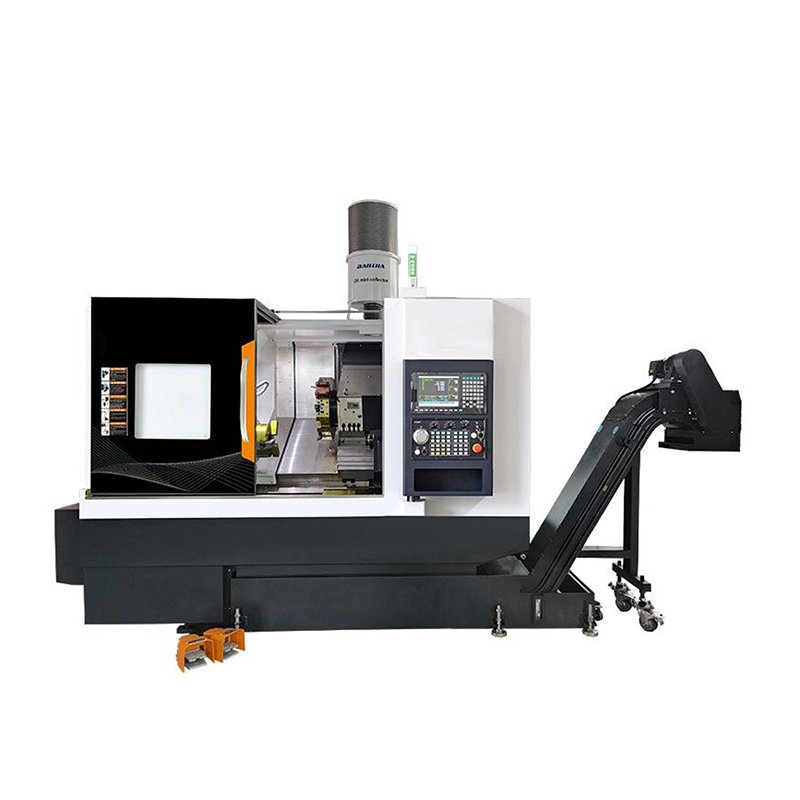
Selecting the right material for your CNC machining project is crucial. It directly impacts the quality, functionality, and cost of the final product. Here’s a breakdown of essential factors to consider.
Before diving into material selection, define the specific needs of your project. Consider the following aspects:
Mechanical Properties: What kind of strength do you need? Will the part face high wear or stress?
Thermal Properties: Will it be exposed to high temperatures? If so, materials like titanium or certain alloys may be necessary.
Environmental Conditions: Will the product be used outdoors or in corrosive environments? Stainless steel or certain plastics might be better suited.
The environment where the final product will operate plays a significant role in material choice. Here are some key factors:
Corrosion Resistance: If the part will be exposed to moisture, consider materials like stainless steel or PEEK, known for their resistance to rust and degradation.
Temperature Resistance: For parts that will experience extreme heat, materials like titanium or high-grade aluminum alloys are ideal.
Chemical Resistance: In environments with harsh chemicals, plastics like PTFE (Teflon) or PEEK can offer excellent durability.
Balancing cost and performance is essential. Here are some considerations:
Material Costs: Some materials, like aluminum, are affordable and easy to machine. Others, like titanium, can be more expensive, but offer superior performance.
Machinability: Softer materials are generally easier and faster to machine, reducing production costs. However, harder materials may be necessary for specific applications, even if they increase machining time and costs.
Long-term Performance: Sometimes, investing in a more expensive material can save money in the long run due to reduced maintenance and replacement costs.
Creating prototypes is a smart way to test material choices without committing to large quantities. Here’s how to approach this:
Use Less Expensive Materials for Prototypes: Start with a material that closely resembles the final choice but is cheaper. This allows you to test the design and functionality without high costs.
Consult Experts: If unsure, reach out to CNC machining experts. They can provide insights on material properties and manufacturing processes, ensuring optimal performance and cost-effectiveness.
By carefully assessing project requirements, environmental conditions, and balancing costs, you can make informed decisions about material selection. This approach leads to successful CNC machining projects that meet both performance and budgetary goals.
When working with CNC machines, understanding the machinability of different materials is crucial. Machinability refers to how easily a material can be cut, shaped, or finished during the machining process. It directly affects machining speed, tooling requirements, and the quality of the finished product. Let's explore how various material properties influence these factors.
Different materials exhibit varying levels of machinability based on their physical properties. For example:
Metals: Softer metals like aluminum and brass are easier to machine, allowing for higher speeds and feeds. This results in shorter production times and lower tool wear. In contrast, harder metals like titanium and stainless steel require slower speeds and specialized tooling due to their toughness.
Plastics: Materials like POM (Acetal) and Nylon are generally easy to machine, which allows for faster processing. However, they can melt or deform under excessive heat, necessitating careful control of cutting speeds and feeds.
Composites: While composites like carbon fiber offer excellent strength-to-weight ratios, they can be challenging to machine. The abrasive nature of these materials can lead to increased tool wear, requiring lower speeds and more frequent tool changes.
The choice of tooling is critical in CNC machining. Different materials necessitate specific tools to achieve optimal results:
High-Speed Steel (HSS): Suitable for softer materials like aluminum and plastics. HSS tools can handle higher speeds, making them ideal for quick machining operations.
Carbide Tools: Best for harder materials like stainless steel and titanium. Carbide tools maintain their sharpness longer, allowing for precise cuts in tough materials, albeit at slower speeds.
Specialized Tools: Some materials, like composites, may require diamond-coated or ceramic tools to withstand abrasion and achieve desired finishes.
The desired surface finish can also influence material choice and machining parameters:
Metals: Achieving a high-quality surface finish in metals often requires additional processes like polishing or coating. Softer metals can be polished more easily than harder ones.
Plastics: Plastics tend to provide smoother finishes directly from the machining process. However, certain grades may require post-processing to enhance appearance and functionality.
Composites: The machining of composites can lead to rough finishes due to fiber pull-out. Proper tool selection and machining parameters are vital to minimize this issue.
When selecting materials for CNC machining, it’s essential to consider not just the initial costs but also the long-term financial implications. Understanding the cost dynamics can significantly impact your project's overall budget and success. Here, we’ll break down the key aspects of material costs in CNC machining.
The initial price of materials can vary widely. For instance, aluminum is often cheaper than titanium, making it a popular choice for many applications. However, looking solely at upfront costs can be misleading.
Total Cost of Ownership (TCO): This includes not just the purchase price but also factors like machining costs, maintenance, and longevity. For example, while titanium has a higher initial cost, its durability and resistance to wear can lead to lower replacement and maintenance expenses over time.
The machinability of a material significantly affects production costs. Softer materials, like aluminum and certain plastics, are generally easier to machine, resulting in:
Lower Tool Wear: This reduces the frequency of tool replacements and maintenance.
Faster Machining Times: Easier-to-machine materials can be processed quickly, decreasing labor costs and increasing efficiency.
Conversely, harder materials such as stainless steel or titanium may require specialized tools and slower machining speeds, leading to increased production costs.
Materials that offer better performance over time can save money in the long run. Here are some considerations:
Durability: Materials like stainless steel and titanium excel in harsh environments, reducing the need for frequent replacements.
Maintenance: Corrosion-resistant materials can lower maintenance costs. For example, a stainless steel component may require less upkeep compared to a carbon steel part exposed to moisture.
Lifecycle Costs: When evaluating materials, consider their expected lifespan. Investing in a higher-quality material can yield savings through reduced failures and replacements.
In the world of CNC machining, smart materials are gaining traction. These materials can change their properties in response to external stimuli, such as temperature, pressure, or electric fields. For example, shape-memory alloys can revert to a predetermined shape after being deformed. This adaptability makes them ideal for applications in aerospace and medical devices where precision and responsiveness are crucial.
Another example is piezoelectric materials, which generate an electric charge when mechanically stressed. These materials can be used in sensors and actuators, enhancing the functionality of CNC machined parts. As industries continue to seek innovative solutions, smart materials are likely to play a significant role in future CNC machining projects.
Sustainability is more than a trend; it's essential in today's manufacturing landscape. Traditional CNC materials, like aluminum and carbon steel, have significant environmental footprints. Manufacturers are increasingly exploring sustainable alternatives, such as bio-based composites and recycled plastics. These materials not only reduce waste but also maintain the necessary strength and performance characteristics required for high-demand applications.
For instance, biocomposite materials made from plant fibers offer lightweight solutions without compromising strength. Recycled plastics can also provide excellent machinability and durability, making them viable options for various CNC machining projects. Embracing sustainable materials can help companies meet environmental regulations and improve their overall market competitiveness.
Composite materials are evolving rapidly, offering new possibilities for CNC machining. Carbon fiber-reinforced polymers (CFRP) and glass fiber-reinforced polymers (GFRP) are excellent examples. CFRP is known for its high strength-to-weight ratio, making it ideal for aerospace and automotive applications. GFRP is less expensive and still offers impressive mechanical properties, making it suitable for construction and electrical insulation.
Recent advancements in composite manufacturing techniques, such as improved resin systems and fiber alignment methods, enhance the performance and machinability of these materials. As composite technology continues to improve, we can expect to see more innovative applications in CNC machining, especially in industries where weight reduction and strength are paramount.
CNC machines utilize various materials, including metals, plastics, composites, and wood. Each material has unique properties that affect performance and suitability for specific applications. Understanding these materials is crucial for making informed choices in CNC machining projects. The right material selection can enhance product quality and reduce costs. Always consider project requirements and consult experts for optimal material choices. For reliable CNC machining solutions, look no further than Taiz. Our products offer exceptional value and performance for your manufacturing needs.
A: A CNC machine is a computer-controlled device used for cutting, shaping, and machining materials like metals, plastics, and composites with high precision.
A: A CNC machine operates by following programmed instructions to manipulate tools that cut or shape various materials, ensuring accuracy and efficiency in production.
A: Certain materials are preferred for CNC machines due to their machinability, strength, and durability, which impact the quality and longevity of the final product.
A: The cost of materials for CNC machines varies widely, with options like aluminum being more affordable compared to higher-end materials like titanium.
A: To troubleshoot issues with materials in CNC machines, check for proper tooling, adjust machining speeds, and ensure the material properties align with the machining process.


