English

Views: 0 Author: Site Editor Publish Time: 2026-01-19 Origin: Site
Mini CNC machines have become a game-changer for hobbyists, small businesses, and DIY enthusiasts. These compact yet powerful machines bring high precision and versatility at an affordable price, making them perfect for various applications. Companies like TAIZ Intelligence have significantly contributed to making these machines accessible, especially for small-scale operations.
In this article, we will explore essential tips to guide you through selecting the right mini CNC machine. You’ll learn about key features, how to assess your needs, and make an informed decision based on your project requirements and budget.
When selecting a mini CNC machine, understanding your project’s specific needs is crucial. This involves assessing the materials, size, and precision required for your tasks.
The first step in choosing the right mini CNC machine is to determine the type of work you'll be doing. Different tasks have different requirements, and understanding your intended use will help you select a machine with the right features.
● Detailed Engravings: If you're focusing on intricate engravings, look for a machine with high-speed spindle precision to handle fine details effectively.
● Mechanical Parts: For creating small mechanical parts, choose a machine with a stronger motor and a rigid frame to ensure accurate cuts and durability for tougher materials.
Different materials demand different capabilities when it comes to CNC machining. Soft materials like wood and plastic typically require lower-powered machines, while harder materials such as aluminum, brass, and steel need more powerful machines. For these tougher materials, it’s crucial to choose a mini CNC machine with higher spindle power and a rigid frame to maintain accuracy and durability.
Material | Recommended Spindle Power | Machine Type |
Wood | Low to Medium Power | Desktop CNC Machines |
Plastic | Low to Medium Power | Desktop CNC Machines |
Aluminum | Medium Power (1.5 kW+) | Benchtop CNC Mills |
Brass | Medium Power (1.5 kW+) | Benchtop CNC Mills |
Steel | High Power (1.5 kW+) | Industrial CNC Machines |
The size of the parts you intend to work on and the level of precision required are also crucial factors. Mini CNC machines come in various sizes, so it's important to select one with a work area that can accommodate your largest projects. Additionally, some projects require tight tolerances (±0.001”), which may necessitate a higher-end machine equipped with features like ball screws and stepper motors.
To future-proof your investment, consider choosing a machine that provides flexibility with work area size and spindle power, ensuring that it can handle any larger or more demanding projects down the line.
Selecting the right machine involves understanding the core features that determine performance and quality. Here are the key features to consider:
Spindle power and speed are critical, especially when machining harder materials like metals. A higher spindle speed, around 6,000 RPM, is essential for precise, fine-detail work. TAIZ Intelligence offers machines with customizable spindles suitable for various materials, ensuring versatility for a range of projects.
The rigidity of the machine is one of the most important factors in achieving precise results. Machines that are less rigid tend to experience flexing during operation, leading to inaccuracies. Look for machines with sturdy frames and components made from materials like steel or aluminum to minimize vibration and ensure consistent results.
Stepper motors provide controlled, accurate movement along the X, Y, and Z axes. When paired with ball screws, which reduce backlash, you can achieve high-precision movements. These features are essential for projects that require repeatability and accuracy, making them a must-have for hobbyists and small business owners aiming to scale their operations.
A mini CNC machine should be compatible with industry-standard CAD/CAM software. Open-source software options like GRBL and LinuxCNC offer high customization, but be aware that these may require some technical expertise to set up. Proprietary software, on the other hand, tends to be more user-friendly and is often provided with the machine. Opting for a machine that supports widely used software can simplify the learning process and make operation smoother, especially for beginners.
Feature | Importance |
Spindle Power and Speed | Critical for fine-detail work, especially with metals. |
Rigid Construction | Ensures precision by reducing flex and vibration during operation. |
Stepper Motors and Ball Screws | Essential for accurate movement and repeatability, especially in high-precision tasks. |
Software Compatibility | Ensures smooth operation with industry-standard CAD/CAM software for customization and ease of use. |
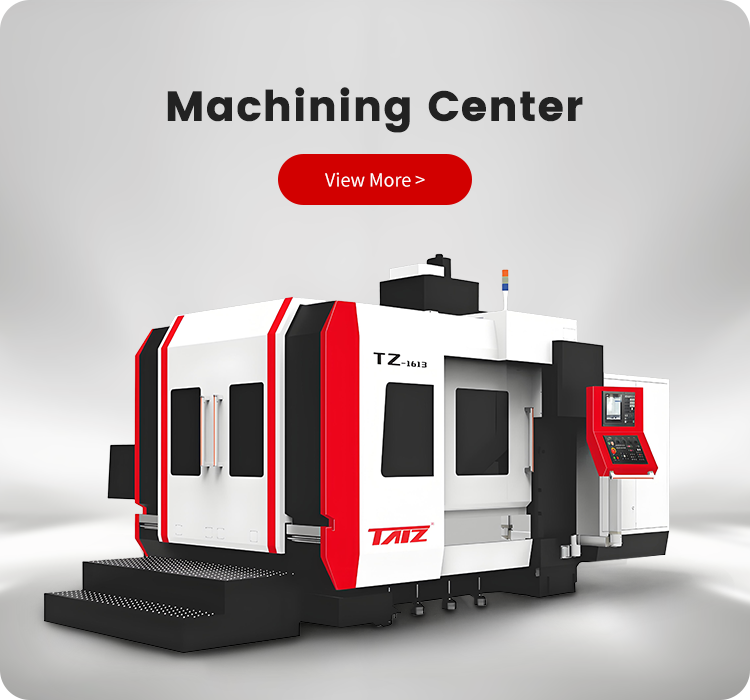
Choosing the right table size and work area is a vital step in ensuring that your machine meets your project needs.
The table size determines how large your workpieces can be. It’s important to select a table that can comfortably handle your typical workpieces, along with room for additional fixtures like vises and clamps. A table that’s too small may limit your ability to work on larger projects, while one that's too large could increase the cost unnecessarily.
In addition to the table size, consider the X, Y, and Z-axis travel distances. These factors will dictate how much movement the machine can accommodate and whether it will work for your larger projects. For instance, a machine with 12x12 inches of travel space might be sufficient for small parts, but if you’re working with larger components, look for machines that offer more expansive travel ranges.
Feature | Table Size | Work Area Travel |
Key Consideration | Workpiece size and fixtures | X, Y, Z-axis movement |
Impact on Projects | Affects workpiece capacity | Determines machine flexibility for larger parts |
Optimal Range | Choose based on project needs | Ensure enough travel for your components |
Understanding your budget is essential for making the right decision. Mini CNC machines come in a wide price range, with many affordable options that cater to hobbyists and small businesses.
When budgeting for a mini CNC machine, consider not just the purchase price but also the cost of operation, including maintenance, power consumption, and potential upgrades. For small businesses, a higher upfront cost may be worth it for a more durable machine with better precision and longer lifespan.
Although cheaper machines may be tempting, they can lead to higher operational costs in the long run due to inefficiencies or frequent repairs. A more robust machine, like those offered by TAIZ, may have a higher initial cost but provides better value over time due to its durability, reliability, and ability to handle more complex tasks. By investing in quality now, you can reduce the need for costly repairs and replacements in the future.
There are various types of mini CNC machines, each suited for different needs.
Desktop CNC machines are compact and affordable, making them perfect for hobbyists and small workshops. These machines are generally suited for light-duty tasks, such as engraving or small-scale wood and plastic machining.
Benchtop CNC mills offer more rigidity and precision, making them ideal for users who need a more industrial-grade machine but don’t have space for a full-size model. These machines often feature lead screws or ball screws and can handle a wider range of materials.
Specialized machines are designed for specific tasks, such as PCB milling or engraving. These machines often feature higher spindle speeds and more precise movements but may not be suitable for heavy-duty machining tasks.
Machine Type | Features | Ideal For |
Desktop CNC Machines | Compact, affordable, light-duty | Hobbyists, small workshops, engraving |
Benchtop CNC Mills | Rigidity, precision, ball screws | Industrial-grade tasks, small businesses |
Specialized Machines | High spindle speed, precision | PCB milling, engraving |
When purchasing a mini CNC machine, consider the manufacturer’s support and warranty. Strong customer support is vital for troubleshooting and ensuring that your machine operates smoothly.
Machines with a solid warranty and responsive technical support can save you time and money in the event of issues. TAIZ Intelligence is known for providing exceptional after-sales support, offering both a robust warranty and a helpful customer service team.
A strong community can also be a valuable resource for troubleshooting, modifications, and learning new techniques. Many popular CNC machines have active online forums and user groups where you can exchange tips and ideas.
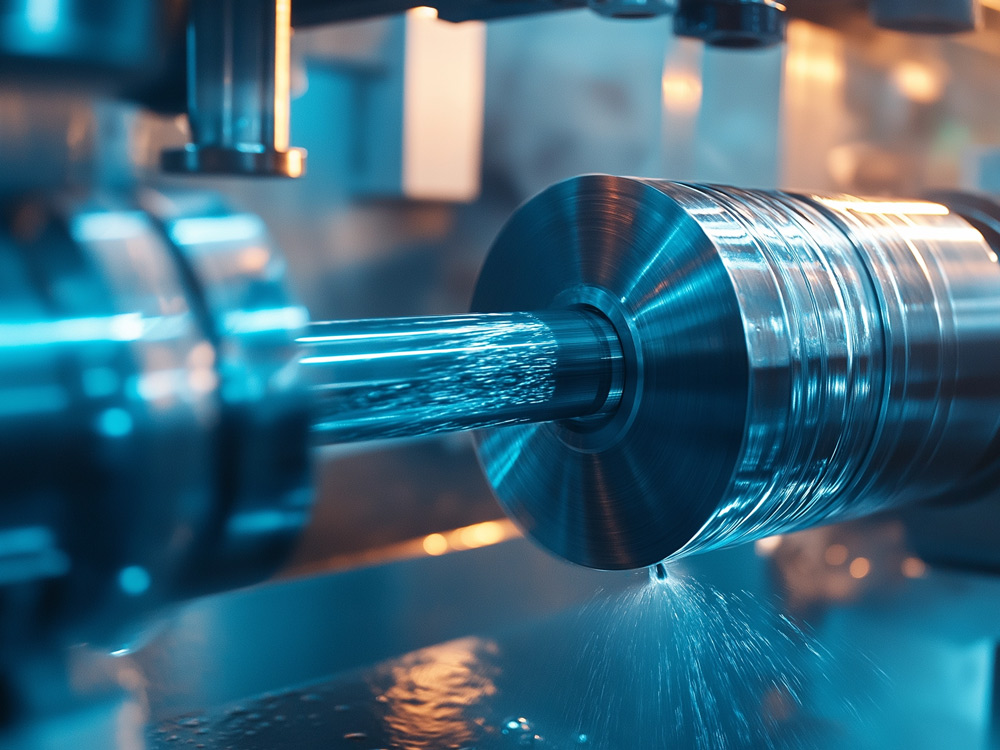
If you’re new to CNC machining, here are some tips to make the learning process smoother.
When selecting software for your mini CNC machine, it's important to consider the level of customization and user-friendliness. Open-source software offers advanced users greater flexibility, allowing for extensive modifications and control. On the other hand, proprietary software typically offers a simpler interface and robust customer support, making it a better choice for beginners.
Software Type | Features | Ideal For |
Open-Source Software | Flexibility, high customization | Advanced users, tech-savvy enthusiasts |
Proprietary Software | User-friendly, strong support | Beginners, easy setup |
Look for machines that offer user-friendly features, like simple interfaces and plenty of tutorials. Many machines come with built-in software that makes setup and operation easier for beginners.
Choosing the right mini CNC machine requires assessing your project needs, budget, and desired features. With thorough research, you can find a machine that meets both current and future demands. TAIZ offers high-performance, compact CNC machines that provide precision and efficiency, ideal for hobbyists and small businesses. By selecting the right machine today, you ensure it supports your business growth for years to come.
A: A mini CNC machine is a compact, computer-controlled tool designed for precise machining of small parts. It is ideal for applications such as prototyping, small-batch production, and DIY projects, capable of working with materials like wood, plastic, and metal.
A: To choose the right mini CNC machine, consider factors such as material types, project size, and precision needs. Ensure the machine has sufficient spindle power, rigidity, and software compatibility to meet your specific CNC machining requirements.
A: Essential features include spindle speed, machine rigidity, stepper motors, and CAD/CAM software compatibility. These features ensure precise CNC machining, allowing for high-quality results across various materials. Machines like those from TAIZ are known for their precision and durability.
A: Mini CNC machines typically range from a few hundred to several thousand dollars. The price varies based on features like precision, spindle power, and material compatibility. Balancing cost with your specific needs ensures long-term value.
A: Yes, mini CNC machines can handle both wood and metal, depending on their power and rigidity. For metals like aluminum, a more robust machine with higher spindle power is recommended for effective CNC machining.
A: Mini CNC machines are gaining popularity due to their compact size, affordability, and versatility. They enable hobbyists, small businesses, and DIY enthusiasts to perform high-precision tasks that were once reserved for larger industrial machines.


