
Views: 0 Author: Site Editor Publish Time: 2026-01-19 Origin: Site
Milling machines are essential in modern manufacturing, from high-volume production to custom jobs. Choosing between a CNC mill and a Bridgeport mill depends on your production needs. CNC mills are known for automation and precision, making them ideal for mass production. Bridgeport mills offer flexibility and hands-on control, perfect for custom tasks or education.
In this article, we’ll explore when to choose a CNC mill or a Bridgeport mill, highlighting the strengths of each machine to help you make an informed decision for your shop.
CNC Milling (Computer Numerical Control Milling) involves the use of computers to control machine movements, automating processes that would otherwise require manual intervention. These machines rely on precise G-code instructions to execute a variety of machining operations, including cutting, drilling, and shaping materials. CNC mills are designed to handle high-volume production and complex part designs, such as intricate geometries and tight tolerances.
The primary advantage of CNC milling is the ability to achieve high precision and repeatability, which makes it a go-to choice for industries requiring complex parts with consistent accuracy. CNC mills work efficiently with a variety of materials, from metals to plastics, and even harder alloys.
A Bridgeport mill, often referred to as a manual milling machine, operates with manual control. Operators use levers and hand wheels to move the machine’s cutting tool along different axes. These mills are highly valued for their versatility in handling tasks like simple drilling, milling, and prototyping.
While Bridgeport mills offer less automation, they are perfect for smaller batches, repairs, and one-off custom parts. This tactile approach allows operators to make quick, real-time adjustments during machining, making them ideal for custom work and teaching foundational machining skills. These machines are often the backbone of smaller workshops or educational settings.
CNC mills excel in high-volume production, replicating parts with incredible consistency and speed. Ideal for industries like automotive, aerospace, and electronics, CNC mills can run with minimal human oversight, increasing productivity. They can also operate “lights-out,” running during off-hours, which reduces labor costs and boosts throughput.
One of the standout features of CNC milling is its ability to handle complex geometries and intricate shapes with precision. CNC mills can perform tasks like 3D contouring, internal channels, and fine surface finishes, which are impossible with manual mills. For example, aerospace parts with internal cooling channels are best produced using CNC mills.
CNC milling is essential for jobs requiring tight tolerances. It can execute cuts with accuracy down to microns, which manual mills can't achieve. Industries like medical device manufacturing and aerospace require this level of precision, where even slight deviations can affect part integrity. CNC mills follow G-code instructions, ensuring consistent quality even in large production runs.
CNC mills are highly automated, allowing machines to run without constant supervision once set up. This reduces the need for monitoring and ensures consistent part quality across large runs. Additionally, CNC mills can process multiple parts at once, using multiple tools in one cycle, which improves efficiency and productivity.
CNC mills are versatile, capable of working with a wide range of materials including metals, plastics, and hard alloys like titanium and Inconel. This flexibility allows shops to handle diverse projects, with CNC mills ensuring precise cuts even in materials of varying hardness and thickness. Industries such as aerospace, medical, and automotive benefit from this material versatility.
Key Benefits | CNC Milling |
Speed | Ideal for high-volume production |
Precision | Achieves tight tolerances and intricate designs |
Automation | Can run without constant monitoring |
Efficiency | Processes multiple parts at once with multiple tools |
Material Flexibility | Works with a variety of materials including metals and plastics |
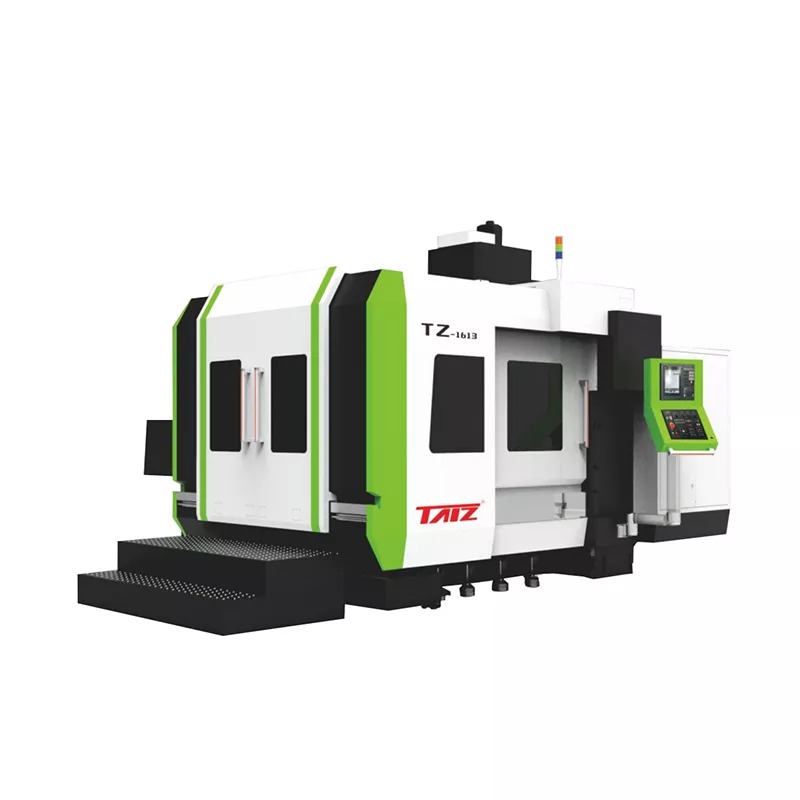
For shops that deal with custom or low-volume work, Bridgeport mills are often the ideal choice. Their manual operation allows for quick adjustments and hands-on control, making them perfect for one-off custom parts and repairs. Unlike CNC mills, which require programming for each new job, Bridgeport mills can be set up quickly and adjusted on the fly, saving time when dealing with unique or urgent tasks.
Bridgeport mills allow machinists to have a direct feel for the material, which is crucial when fine-tuning parts or correcting minor errors.
Because Bridgeport mills are manually operated, they provide operators with hands-on experience in the fundamentals of machining. This tactile learning environment helps operators build their skills by directly controlling the machine’s movements. For educational institutions or small shops focusing on skill development, Bridgeport mills are a valuable tool.
Bridgeport mills are commonly used for tool and die making. The flexibility of these machines allows for the precise creation of jigs, fixtures, and molds that are essential in many manufacturing processes. These mills can quickly adapt to custom tooling and allow operators to make quick modifications, making them ideal for tool and die shops that need to produce custom parts or prototypes.
For simple tasks like drilling, slotting, or facing, Bridgeport mills are the perfect choice. These machines are ideal when you need quick results with minimal setup. If you’re prototyping a simple part or need to make quick adjustments, Bridgeport mills offer fast turnaround times.
Key Benefits | Bridgeport Milling |
Flexibility | Ideal for one-off, custom parts and repairs |
Learning | Provides hands-on experience for skill-building |
Tooling | Great for tool and die making with quick adaptations |
Efficiency | Perfect for simple setups and fast prototyping |
In these situations, programming a CNC mill might not be cost-effective or necessary.
When choosing between CNC milling and Bridgeport milling, the main differences lie in control, precision, efficiency, flexibility, and material versatility. CNC mills are automated, designed for high-volume and complex tasks, while Bridgeport mills offer manual control, ideal for custom, low-volume jobs.
Here’s a quick comparison of their key features:
Feature | CNC Milling | Bridgeport Milling |
Control | Automated via computer programming | Manual operation using levers and hand wheels |
Precision | High precision with tight tolerances | Precision dependent on operator skill |
Efficiency | High efficiency, especially for mass production | Lower efficiency, suited for low-volume work |
Flexibility | Ideal for complex, high-volume tasks | Ideal for one-off jobs, repairs, and custom work |
Material Versatility | Works with a wide range of materials | Limited to simpler materials and operations |
This table highlights the strengths of each machine: CNC milling for precision and high efficiency, and Bridgeport milling for flexibility and hands-on control.
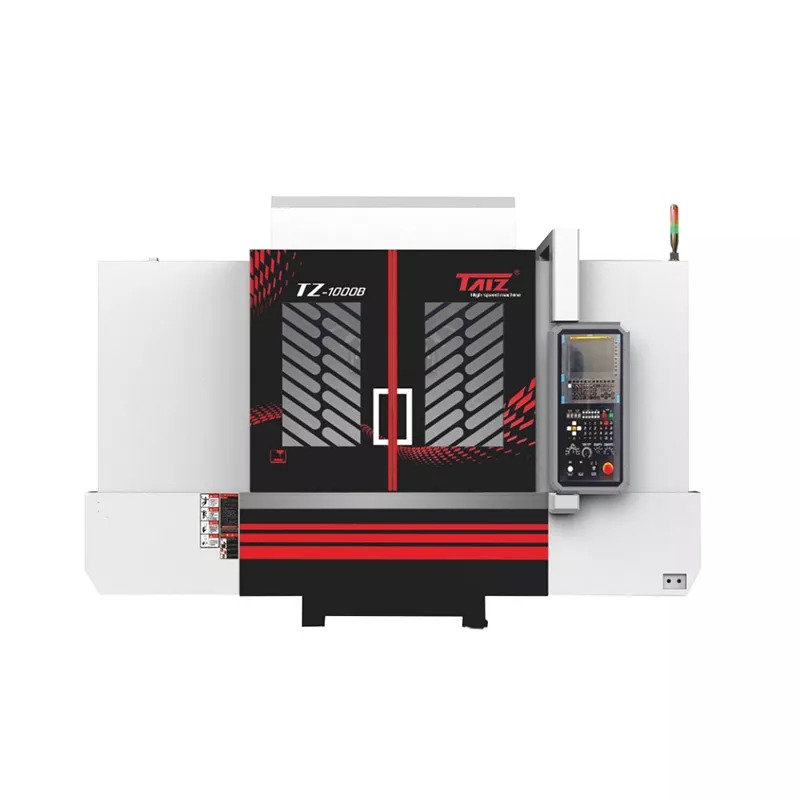
Many modern workshops utilize both CNC and Bridgeport mills. While CNC mills handle high-volume, high-precision tasks, Bridgeport mills are perfect for prototyping, repairs, and one-off jobs. By integrating both types of mills into your workflow, you can maximize the efficiency of your operations. This combination allows your shop to be adaptable and handle a wide variety of tasks without the need for multiple machines.
By understanding the strengths of each machine, you can optimize workflows in your shop. Use CNC mills for mass production and high-precision tasks, and Bridgeport mills for custom jobs or simpler tasks. This ensures your shop is equipped to handle both complex and straightforward projects with ease, improving overall shop efficiency.
For high-precision, large-scale tasks, a CNC mill is the way to go. For simpler tasks that require flexibility and quick adjustments, a Bridgeport mill is the better choice. Consider the complexity of your projects when choosing between the two machines, and invest in the one that best suits your shop’s needs.
CNC mills are typically more expensive upfront but offer better long-term value for high-volume operations. Bridgeport mills, while cheaper to purchase, may not be as efficient for large-scale production runs. However, their versatility and affordability make them a good choice for shops with a lower budget or those focusing on custom work.
If your shop plans to expand or diversify its operations, investing in CNC mills might be the best way to future-proof your business. With their automation and ability to handle complex tasks, CNC mills can accommodate growth, enabling your shop to take on more advanced projects without a major overhaul.
Key Considerations | CNC Milling | Bridgeport Milling |
Task Complexity | Best for high-precision, large-scale tasks | Better for simpler, flexible tasks |
Cost | Higher upfront, better long-term value | Cheaper upfront, suitable for custom work |
Future-Proofing | Ideal for shop expansion and complex tasks | More suited for small-scale, flexible operations |
Choosing between a CNC mill and a Bridgeport mill depends on your shop’s specific needs. CNC mills excel in large-scale production, complex parts, and high precision, offering speed and automation. Bridgeport mills are ideal for custom jobs, repairs, and learning machining basics. Many modern workshops use both to handle various tasks. By understanding their strengths, you can improve workflow and productivity. TAIZ offers a range of CNC machining centers designed to meet diverse manufacturing needs, providing unmatched precision and value for your shop.
A: A CNC mill is automated through computer programming, offering precision and efficiency for high-volume production. A Bridgeport mill is manually operated, ideal for one-off custom parts and repairs, with flexibility but less automation.
A: Choose a CNC mill for high-volume production, complex geometries, tight tolerances, and automation. CNC milling excels in efficiency and precision, while Bridgeport mills are better for custom, low-volume work.
A: CNC milling is automated, allowing for high-speed, consistent production with minimal oversight. This makes it ideal for industries like aerospace and automotive that require large quantities of identical parts.
A: A Bridgeport mill offers manual control, making it more versatile for custom jobs, repairs, and learning machining fundamentals. It’s ideal for low-volume or one-off tasks that don’t require the precision of CNC milling.
A: Yes, CNC mills typically have a higher initial cost due to their advanced automation and precision capabilities. However, they offer better long-term value for high-volume production, while Bridgeport mills are more affordable for smaller, custom tasks.


