
Views: 0 Author: Site Editor Publish Time: 2026-01-13 Origin: Site
In today’s fast-paced manufacturing world, precision is everything. CNC grinding machines ensure the highest levels of accuracy, especially in critical sectors like automotive, aerospace, and medical manufacturing. These machines automate the grinding process, providing consistent results and tight tolerances with the use of high-speed rotating wheels.
In this guide, you will learn what CNC grinding machines are, how they work, and what to consider when choosing the right one for your needs. We’ll also dive into key features, industry applications, and provide insights to help you make an informed decision for your operations.
A CNC grinding machine automates the grinding process through a rotating abrasive wheel, which removes material from the workpiece to achieve a precise surface finish. Unlike traditional manual grinding, CNC grinders are controlled by a computer program (usually G-code), which directs the movements of the grinding wheel and workpiece. This level of automation ensures high repeatability, consistent results, and reduced human error, making it ideal for high-precision applications.
The key benefit of a CNC grinding machine is its ability to work with extremely tight tolerances, often down to microns. This precision is essential in industries like aerospace, automotive, and medical device manufacturing, where small variations can lead to performance issues or even failure of components.
CNC grinders function by rotating the abrasive grinding wheel at high speeds while simultaneously moving the workpiece along different axes. These machines typically operate along the X, Y, and Z axes, allowing the grinding wheel to remove material from different areas of the workpiece. The CNC system controls the speed and movement of both the wheel and the workpiece, following pre-programmed instructions for each part.
The control system reads the program and coordinates the motions of the grinding wheel and workpiece, ensuring that the desired material is removed in precise amounts. By utilizing CNC, the machine can execute intricate grinding tasks that would be nearly impossible to achieve with manual grinding.
A CNC grinding machine consists of several key components that work together to ensure precise grinding operations:
● Grinding Spindle: Holds the grinding wheel and rotates it at high speeds.
● Workpiece Holding Table: Secures the workpiece and moves it according to the CNC program.
● Control System: Acts as the "brain" of the machine, interpreting the G-code and directing machine movements.
● Cooling System: Helps regulate temperature to prevent overheating during the grinding process, ensuring accuracy.
Each of these components is designed to work in harmony, allowing for high-precision grinding with minimal operator intervention.
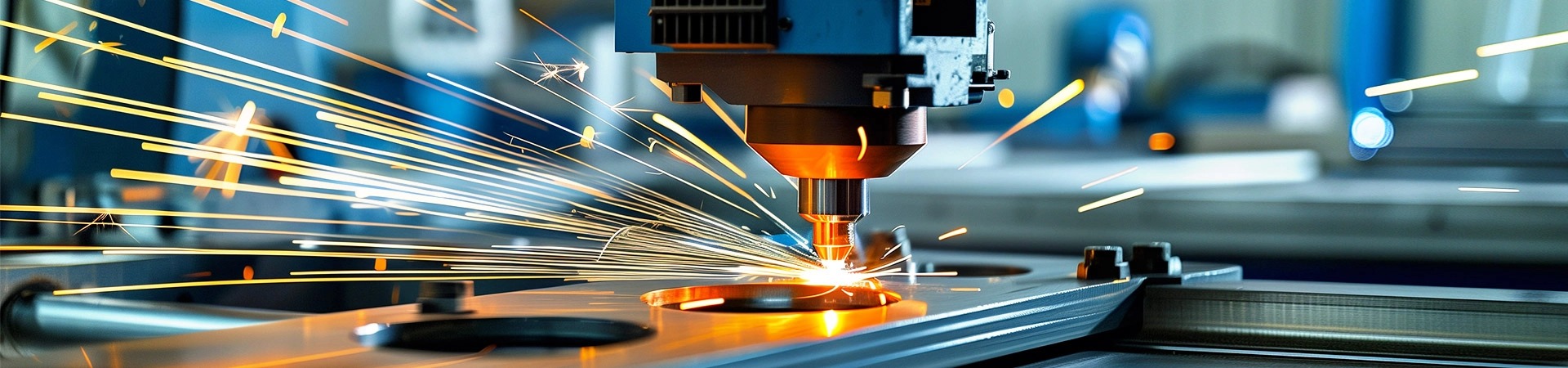
Surface grinding machines are used to grind flat surfaces, producing smooth and polished finishes on materials like steel, aluminum, and other metals. These grinders are vital in industries where surface finish quality and dimensional accuracy are critical, such as automotive manufacturing and toolmaking.
Surface grinding machines typically use a magnetic or vacuum chuck to hold the workpiece in place while the grinding wheel moves across the surface. The result is a smooth, even finish with tight tolerances.
Key Features | Applications | Materials |
High-precision grinding | Automotive, Aerospace, Toolmaking | Steel, Aluminum |
Magnetic or vacuum chuck | High surface finish requirements | Brass, Copper |
Flat surface grinding | Quality and dimensional accuracy | Non-ferrous metals |
Cylindrical grinders are designed to grind round workpieces such as shafts, rods, and other cylindrical parts. These machines rotate the workpiece between two centers while the grinding wheel removes material to reduce the diameter or achieve specific profiles.
In cylindrical grinding, the machine ensures high concentricity and surface finish, making it essential for parts like camshafts and crankshafts, which require precision to fit properly in assembly.
ID (inside diameter) and OD (outside diameter) grinders are specialized for grinding the internal and external surfaces of cylindrical parts. These grinders allow for precise control over part geometry, ensuring that both the inside and outside diameters meet tight tolerances. For example, a cylinder head or bearing housing may require grinding on both its internal and external surfaces to ensure perfect fitment.
These machines are essential for industries where concentricity and surface finish are critical, such as automotive engine components and medical implants.
Centerless grinding machines are unique in that they do not require the workpiece to be held between centers or chucks. Instead, the workpiece is fed through the machine between a grinding wheel and a smaller regulating wheel. The regulating wheel controls the speed and position of the part, allowing for high-speed, high-volume grinding of cylindrical parts.
Centerless grinding is often used for mass production of small parts like pins, rods, and shafts, where high throughput and precision are required.
Before purchasing a CNC grinding machine, it's essential to define the materials you’ll be working with and the type of parts you need to produce. CNC grinders can handle a wide variety of materials, including metals, ceramics, and composites, but each material may require different grinding parameters.
TAIZ offers customizable CNC grinding machines that are tailored to specific material needs, allowing you to optimize your operations based on the type of material being processed.
When choosing a CNC grinding machine, it’s vital to consider specifications such as spindle power, machine rigidity, and table size. A machine with sufficient spindle power (measured in RPM) is required for harder materials, while a rigid machine ensures stability and precision during high-speed operations.
Considerations like table size and capacity will also impact your ability to work with larger or more complex parts. Ensuring that the machine meets your production capacity and quality requirements will help ensure long-term efficiency.
Specification | Importance | Considerations |
Spindle Power (RPM) | Required for high-speed and hard material grinding | Higher RPM for tougher materials |
Machine Rigidity | Ensures precision under high loads | Stability in high-speed operations |
Table Size and Capacity | Determines the size of parts it can handle | Must match part dimensions |
The control system is crucial for the ease of use and flexibility of the machine. Look for a system that allows for easy programming and integration with your existing CAD/CAM software. A good control system will not only improve programming efficiency but also ensure smooth machine operation and quick adjustments during production runs.
For example, TAIZ machines come equipped with state-of-the-art control systems, allowing operators to easily integrate them into existing production workflows while minimizing setup times and maximizing throughput.
CNC grinding machines generate significant heat during operation, which can affect the machine's accuracy and the quality of the finished part. A cooling system is vital for maintaining stable temperatures, preventing overheating, and ensuring consistent results.
A dressing system helps maintain the sharpness of the grinding wheel, ensuring that it continues to remove material efficiently and produce high-quality finishes. Both cooling and dressing systems are essential for maintaining machine performance over long production runs.
CNC grinders are capable of achieving micron-level precision, which is essential for parts that require exact dimensions. This high precision is critical in industries where even minor deviations can result in product failure. Whether you’re producing components for aerospace engines or medical devices, CNC grinding ensures that each part meets its specified tolerances.
For example, in the automotive industry, a camshaft must be ground with tight tolerances to ensure that the engine performs efficiently. CNC grinders help ensure that such components meet performance expectations.
Achieving the right surface finish is crucial in applications where smoothness is required for function or aesthetics. Parts like bearings, gears, and turbine blades often need a polished or mirror-like surface finish. CNC grinding machines can achieve these high-quality finishes, ensuring that parts perform optimally and meet quality standards.
CNC grinders are also able to produce various surface finishes depending on the requirements, from rough to highly polished, giving manufacturers flexibility in their production processes.
In the automotive industry, CNC grinders are used to produce precision components like brake cylinders, camshafts, and connecting rods. These parts must fit together perfectly to ensure the vehicle operates reliably and efficiently. CNC grinding ensures that critical parts meet exact specifications, improving vehicle performance and safety.
Aerospace components often operate under extreme conditions, requiring extremely precise manufacturing. CNC grinders are essential for producing parts like turbine rings and shafts that must meet exact dimensions and surface finish specifications. Precision is critical to ensure that components function reliably in high-stress environments like aircraft engines.
CNC grinding is crucial in the medical industry, where components like surgical instruments and implants need to be made with high precision and durability. Materials like stainless steel and titanium are often used in medical devices, and CNC grinding machines provide the accuracy needed to produce these parts to strict medical standards.
Industry | Applications | Components |
Automotive | High-precision parts for performance | Brake cylinders, camshafts |
Aerospace | Parts for extreme environments | Turbine rings, shafts |
Medical | Durable and precise medical components | Surgical instruments, implants |
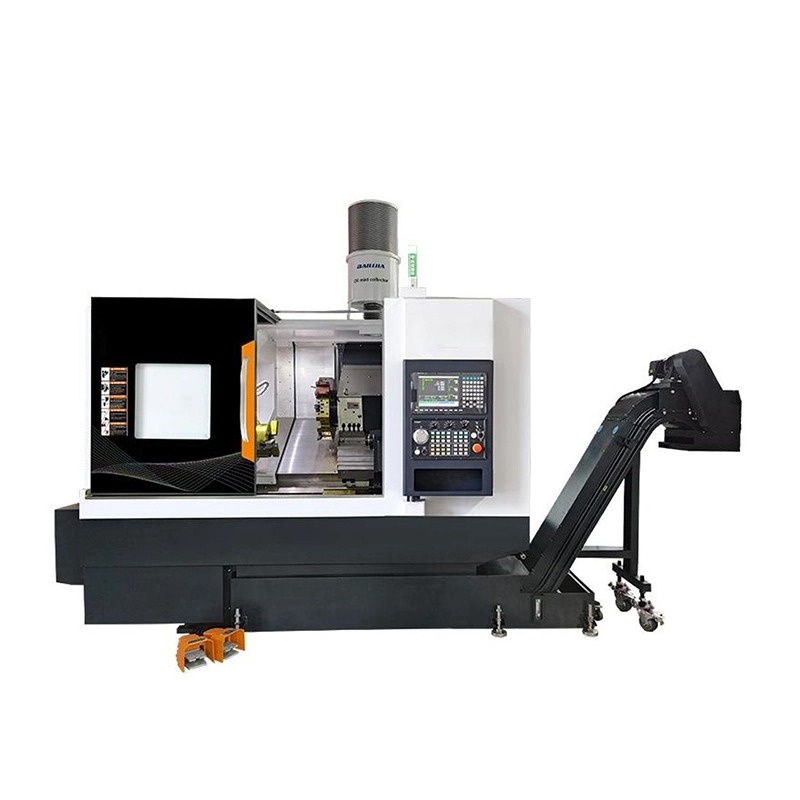
Modern CNC grinders often come with automation features such as automatic tool changers, load/unload systems, and integrated inspection systems. These features help reduce manual labor and improve productivity by automating repetitive tasks, ensuring that machines run efficiently without constant operator intervention.
When purchasing a CNC grinding machine, it’s important to choose a manufacturer that provides comprehensive support services. Access to maintenance, training, and technical support can help reduce downtime and ensure that the machine remains operational for years.
TAIZ provides excellent customer support, ensuring that you have access to the resources needed to maximize machine performance and minimize operational disruptions.
CNC grinding machines are crucial for precision, excellent surface finishes, and automation. Understanding their types, specifications, and applications helps you make informed purchasing decisions. Whether in automotive, aerospace, or medical sectors, choosing the right CNC grinder boosts productivity and quality. For manufacturers seeking advanced solutions, TAIZ offers reliable CNC grinders that meet stringent production requirements, delivering consistent results and high performance.
A: A CNC grinding machine uses computer-controlled systems to automate the grinding process, ensuring high precision and surface finishes. It removes small amounts of material from a workpiece using a rotating abrasive wheel.
A: A CNC grinding machine operates by rotating an abrasive wheel against the workpiece while moving it along various axes. The machine's control system directs the wheel and workpiece to achieve the desired material removal.
A: CNC grinding machines provide high precision, consistency, and efficiency in manufacturing processes. They automate grinding tasks, reducing manual labor and ensuring tight tolerances in critical industries.
A: CNC grinding machines offer improved accuracy, repeatability, and surface finish quality. They are perfect for industries that require tight tolerances and complex geometries, such as automotive and aerospace.
A: The cost of a CNC grinding machine varies depending on the type, features, and customization. Factors like machine size, automation features, and material compatibility influence the price.
A: There are several types, including surface grinders, cylindrical grinders, precision ID/OD grinders, and centerless grinders. Each type serves specific grinding needs in different industries.


