
Views: 0 Author: Site Editor Publish Time: 2025-10-16 Origin: Site
In the realm of CNC machining, carbon steel continues to be a preferred material due to its exceptional balance of strength, durability, and cost-effectiveness. With its high hardness and superior wear resistance, carbon steel is ideal for producing components that require both reliability and performance. However, while it offers numerous advantages, such as affordability and good machinability, there are also challenges to consider, including corrosion susceptibility and brittleness in high-carbon grades. This article explores the pros and cons of carbon steel, along with its diverse applications in various industries, highlighting why it remains a staple in modern manufacturing.
Carbon steel stands out in CNC machining for several compelling reasons. Its unique combination of properties makes it a go-to material for many projects, balancing strength, durability, and cost-effectiveness.
Carbon steel offers excellent strength and hardness, which is crucial for parts that must endure heavy loads or resist deformation. This toughness means components made from carbon steel maintain their shape and function under stress. For example, structural supports and machine parts often rely on carbon steel to provide the necessary rigidity. Additionally, carbon steel can be heat-treated to increase hardness further, enhancing its durability and lifespan.
Wear resistance is another key advantage. Carbon steel handles friction and abrasion well, making it ideal for moving parts or components that face constant contact. This resistance reduces the frequency of part replacements and maintenance, saving time and money. For instance, gears made from carbon steel last longer under continuous use compared to many other materials.
Cost plays a major role in material selection. Carbon steel is generally less expensive than alloy steels or stainless steel because it lacks costly elements like chromium or nickel. This affordability benefits projects with tight budgets or large production runs. Plus, carbon steel is widely produced and stocked globally, so sourcing it is straightforward. This availability helps keep production on schedule without costly delays.
Machinability varies across carbon steel grades but is generally good, especially for low to medium carbon steels. These grades cut smoothly and allow for tight tolerances and fine surface finishes. Some grades, like 12L14, even include additives like lead to improve machinability further, reducing tool wear and improving chip control. High carbon steels, while harder to machine, can still be processed effectively with the right tools and techniques.
Advantage | Description | Benefit for CNC Machining |
High Strength and Hardness | Resists deformation; can be heat-treated | Durable, long-lasting parts |
Superior Wear Resistance | Withstands friction and abrasion | Reliable for moving or high-contact parts |
Cost-Effectiveness | Lower raw material and production costs | Budget-friendly, especially for large runs |
Availability | Widely produced and stocked | Faster procurement, fewer delays |
Machinability | Generally easy to machine, especially low/medium carbon | Efficient machining, good surface finish |
In summary, carbon steel’s strength, wear resistance, affordability, and machinability make it a top choice for CNC machining. It suits a broad range of applications, from structural components to precision tools, offering a balance of performance and cost that few materials can match.
When selecting carbon steel for CNC machining, consider the specific grade carefully to balance machinability and performance needs, ensuring optimal tool life and part quality.
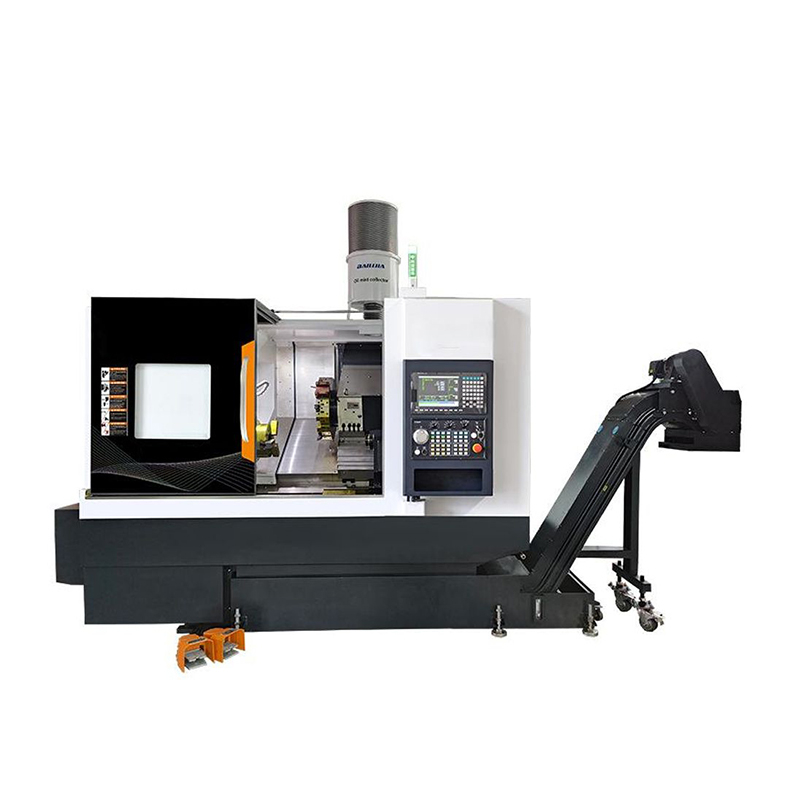
Machining high carbon steel comes with its own set of challenges that manufacturers must address to achieve quality results without compromising efficiency.
High carbon steel's hardness can be tough on cutting tools. It causes faster tool wear compared to low or medium carbon steels, which means tools need more frequent replacement or sharpening. This can increase production costs and downtime. Additionally, machining harder materials often requires slower cutting speeds and feeds to avoid tool damage, which lengthens production times. For example, cutting a 1095 steel blade blank demands careful control over tool speed to maintain sharpness and surface quality without burning the material.
To machine high carbon steel effectively, specific techniques and tooling choices are essential:
● Use of Carbide or Coated Tools: Carbide inserts or tools with coatings such as titanium nitride help resist wear and heat, extending tool life.
● Optimized Cutting Parameters: Slower speeds and deeper cuts reduce heat buildup and tool stress.
● Coolant Application: Continuous coolant flow prevents overheating, improving surface finish and tool longevity.
● Pre- and Post-Machining Heat Treatment: Sometimes, rough machining is done before heat treating to soften the steel, followed by finish machining after hardening.
● Specialized Tool Geometries: Tools with sharper edges and specific rake angles reduce cutting forces.
Employing these methods helps balance production efficiency and part quality despite the material’s hardness.
High carbon steel offers excellent strength and wear resistance, but these come at the cost of machinability. Manufacturers must find a balance between achieving the desired material properties and maintaining efficient machining processes. Selecting the right carbon steel grade based on the application is crucial. For instance, 1045 steel provides moderate hardness and better machinability than 1095, making it suitable for parts needing strength without extreme hardness.
Furthermore, investing in advanced CNC machines and tooling technology can offset some machining difficulties. Skilled operators who understand the nuances of high carbon steel machining also play a vital role in optimizing production.
In summary, while high carbon steel presents challenges like increased tool wear and longer machining times, proper techniques and careful grade selection can ensure effective manufacturing of durable, high-performance parts.
To extend tool life when machining high carbon steel, always use carbide or coated tools combined with adequate coolant flow and optimized cutting speeds.
When choosing materials for CNC machining, carbon steel and stainless steel often come up. Each has strengths and weaknesses. Understanding their differences helps pick the right one for your project.
Carbon steel usually costs less than stainless steel. That’s because stainless contains expensive elements like chromium and nickel. These add corrosion resistance but raise the price. For large production runs or budget-conscious projects, carbon steel offers significant savings. Stainless steel’s higher cost can be justified when corrosion resistance is critical, but for many indoor or dry environments, carbon steel is more economical.
Carbon steel generally has higher hardness, especially when heat-treated. This makes it great for parts needing wear resistance and strength, such as gears, shafts, or cutting tools. Stainless steel tends to be softer but offers good strength too. However, some stainless grades can be difficult to harden. If your part needs to hold a sharp edge or resist abrasion, carbon steel often performs better.
Machinability varies between the two. Carbon steel, especially low to medium grades, machines easily. Some grades include additives like lead to improve chip control and reduce tool wear. Stainless steel can be “gummy,” meaning it sticks to tools and causes faster wear. This can slow production and increase costs.
On the flip side, stainless steel excels at corrosion resistance. It naturally resists rust, making it ideal for wet or corrosive environments. Carbon steel rusts quickly without protective coatings. However, coatings like zinc plating or powder coating can protect carbon steel effectively for many applications.
Feature | Carbon Steel | Stainless Steel |
Cost | Lower | Higher |
Hardness | Higher (especially when heat-treated) | Moderate |
Wear Resistance | Excellent | Good |
Machinability | Generally good, easier | More difficult, gummy |
Corrosion Resistance | Poor (needs coating) | Excellent (natural resistance) |
Choosing between carbon steel and stainless steel depends on the application. If corrosion is a major concern, stainless is the better choice. If hardness, wear resistance, and cost matter more, carbon steel often wins.
For projects needing both hardness and corrosion resistance, consider using carbon steel with protective coatings or stainless steel with heat treatment, balancing cost and performance effectively.
Carbon steel’s balance of strength, hardness, and cost makes it a versatile choice across many industries. Its adaptability allows manufacturers to produce a wide range of parts, from simple components to complex machinery.
Carbon steel is widely used for industrial and commercial parts due to its durability and cost-effectiveness. It’s common in structural components, fasteners, and machine frames. For example, construction equipment often relies on carbon steel parts because they must withstand heavy loads and harsh conditions. Similarly, commercial manufacturing uses carbon steel for brackets, supports, and housings that require strength without excessive cost.
Its availability in various grades means it can be tailored for specific needs. Low carbon steel grades like 1018 are preferred for parts needing good machinability, while medium carbon steels such as 1045 offer added strength for more demanding applications.
Certain parts benefit greatly from carbon steel’s properties. Gears, for instance, often use medium to high carbon steel because of its wear resistance and hardness, which help them endure constant friction and load. Tools such as cutting blades, punches, and dies frequently use high carbon steel grades like 1075 or 1095. These parts require sharp edges and durability, both achievable through carbon steel’s heat-treatable nature.
Machinery components including shafts, levers, and springs also rely on carbon steel. Its strength and toughness ensure these parts perform reliably under stress. For example, automotive and heavy machinery sectors commonly use carbon steel for drivetrain parts due to their need for both strength and precision.
High-carbon steel, with carbon content above 0.6%, is prized for its hardness and wear resistance. It’s ideal for applications needing long-lasting sharpness and strength. Knives, cutting tools, and springs are typical examples. These parts benefit from carbon steel’s ability to be heat treated, increasing hardness while maintaining toughness.
However, machining high-carbon steel requires careful tooling and technique due to its hardness. Despite this, the performance gain in finished parts often outweighs the machining challenges. For instance, high-carbon steel blades hold edges longer, reducing the need for frequent sharpening.
Application Area | Typical Carbon Steel Grade | Key Benefits | Examples |
Industrial Parts | 1018, A36 | Good machinability, strength | Structural supports, fasteners |
Gears and Tools | 1045, 1075, 1095 | High wear resistance, hardness | Gears, cutting tools, punches |
Machinery Components | 1045, 4140 | Strength, toughness | Shafts, springs, levers |
High-Carbon Steel Uses | 1075, 1095 | Edge retention, durability | Knives, blades, springs |
In conclusion, carbon steel’s flexibility and performance make it a staple in CNC machining. Its various grades allow manufacturers to select the perfect balance of machinability, strength, and wear resistance for each application. Whether for industrial frames or precision cutting tools, carbon steel remains a top choice.
When designing parts, match the carbon steel grade to the application’s strength and wear requirements to optimize performance and machining efficiency.
One major drawback of carbon steel is its poor corrosion resistance. Unlike stainless steel, carbon steel lacks chromium, which protects against rust. When exposed to moisture or humid environments, carbon steel can quickly oxidize, leading to rust and surface degradation. This corrosion can weaken parts, reduce lifespan, and cause aesthetic issues. For parts exposed to outdoor conditions or chemicals, untreated carbon steel may not be suitable. Protective coatings like zinc plating, powder coating, or paint are often necessary to prevent rust. Without these, the cost savings from using carbon steel could be offset by maintenance or replacement expenses.
Carbon steel, especially high-carbon grades, can be brittle. While high carbon content increases hardness and strength, it reduces ductility and impact resistance. This means parts made from high carbon steel might crack or shatter under sudden shocks or heavy impacts. For applications requiring toughness and the ability to absorb energy, such as heavy machinery components or safety-critical parts, this brittleness is a concern. Lower carbon steels or alloy steels often perform better in these cases, offering a better balance between strength and toughness.
Fortunately, manufacturers have several ways to address these issues:
● Surface Treatments: Applying coatings like galvanizing, powder coating, or specialized paints protects carbon steel from corrosion. These finishes create barriers against moisture and chemicals, extending part life.
● Heat Treatment: Controlled heat treatment can improve toughness and reduce brittleness in some carbon steels, making them more suitable for impact-prone applications.
● Material Selection: Choosing the right grade of carbon steel based on the application helps balance hardness, machinability, and toughness. For example, medium carbon steels offer better impact resistance than high carbon grades.
● Design Considerations: Engineers can design parts to minimize stress concentrations and impact loads, reducing the risk of brittle failure.
● Regular Maintenance: Routine inspection and maintenance can catch corrosion early and prevent part failure.
By combining these strategies, carbon steel’s disadvantages can be minimized, allowing it to remain a cost-effective and high-performance material for many CNC machined parts.
To prevent rust on carbon steel parts, always specify appropriate surface coatings during the design phase to ensure long-term durability in corrosive environments.
Carbon steel remains a top choice for CNC machining due to its strength, wear resistance, and cost-effectiveness. While it has some drawbacks, like corrosion susceptibility, these can be mitigated with protective coatings and heat treatments. As industries evolve, carbon steel's adaptability ensures it stays relevant in manufacturing. For companies like TAIZ., offering tailored solutions with carbon steel, it provides unmatched value. Their expertise helps clients leverage the benefits of carbon steel in various applications, enhancing product durability and performance.
A: Carbon steel is favored in CNC machining due to its high strength, superior wear resistance, cost-effectiveness, and machinability, making it ideal for various applications.
A: Carbon steel is generally cheaper and harder than stainless steel, offering better wear resistance, while stainless steel excels in corrosion resistance.
A: High carbon steel can cause increased tool wear and longer production times due to its hardness, requiring specific techniques and tools for effective machining.


