
Views: 0 Author: Site Editor Publish Time: 2025-09-20 Origin: Site
In the world of precision manufacturing, vertical machining is essential for creating complex parts. But how does vertical machining work, and why is it so widely used? Additionally, vertical turning machining offers distinct advantages in handling large, heavy components.
In this article, we will explore the vertical machining process, how it differs from vertical turning machining, and why it's so crucial in modern manufacturing.
Vertical machining is a process where a machine tool's spindle operates in a vertical orientation. This means that the cutting tool is mounted vertically, as opposed to a horizontal setup where the spindle sits horizontally. The primary machine used for this type of operation is called a vertical machining center (VMC), which is equipped with computer numerical control (CNC) technology for high precision.
The VMC can move in multiple axes (typically three or five), allowing for intricate and accurate cutting, drilling, and milling operations. Vertical machining is commonly used in industries like aerospace, automotive, and electronics, where precision and complex part geometries are paramount.
Spindle Orientation: The cutting tool is vertically aligned, giving operators a clear view of the machining area.
Precision and Accuracy: The high-tech CNC system allows for precise movements, ensuring that complex shapes and fine details can be machined.
Ease of Setup: Vertical machining setups are often simpler and faster compared to horizontal systems, making them a popular choice for small and medium-sized production runs.
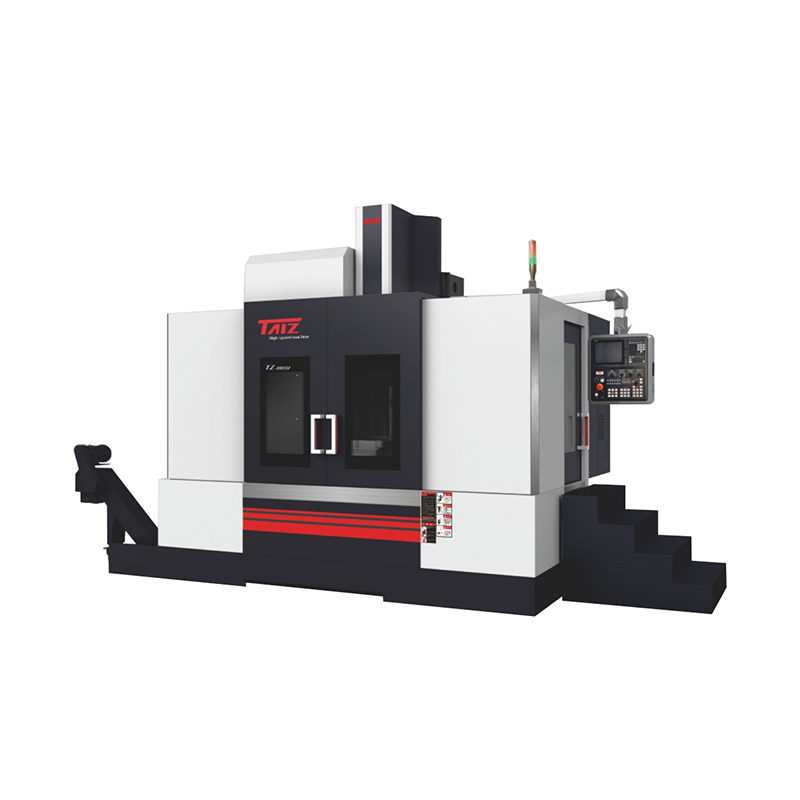
The vertical machining process typically involves three main stages: setup, machining, and finishing. Here's an overview of each stage:
Before any machining can take place, the part must be securely fastened to the machine's table. Depending on the type of work, fixtures and clamps may be used to hold the part in place. The machine's tool holder is fitted with the appropriate cutting tool, and the machine's parameters are programmed to dictate the tool's movements.
Once everything is set up, the machine starts performing the machining operations. The vertical machining process generally includes tasks such as drilling, milling, and tapping. The cutting tool moves in the X, Y, and Z axes to remove material from the workpiece according to the specified design. The material is gradually shaped to achieve the final dimensions and surface finish.
After the initial machining process, the part may require additional steps such as deburring, polishing, or coating to ensure it meets the required standards. These steps are typically done manually or with secondary machines.
Always ensure the workpiece is securely mounted to avoid errors or safety hazards.
Select the appropriate cutting tools based on the material to be machined.
Regularly maintain your VMC to ensure optimal performance and minimize downtime.
When it comes to machining processes, vertical turning machining is a technique that combines the features of both turning and vertical machining. The main difference lies in how the part is held and rotated.
In vertical turning, the workpiece is mounted on a rotary table and rotates while the cutting tool remains stationary. This method is especially useful for machining large, heavy parts, such as engine components, that require precision but are too bulky to be handled on a horizontal lathe.
| Feature | Vertical Machining | Vertical Turning |
|---|---|---|
| Workpiece Orientation | Fixed workpiece, rotating tool | Rotating workpiece, stationary tool |
| Common Applications | Milling, drilling, tapping | Turning, facing, boring |
| Machine Type | Vertical machining center (VMC) | Vertical turret lathe (VTL) |
| Ideal For | Complex geometries and small parts | Large, heavy parts |
Ideal for larger, heavier workpieces that require turning operations.
Minimizes part distortion due to its ability to maintain balance during the machining process.
Often used in industries like heavy equipment manufacturing and large machinery.
To understand how vertical machining works, it’s essential to break down the steps involved in the vertical machining process. Here's a quick look:
Workpiece Loading: The workpiece is securely placed on the machine's worktable and aligned properly.
Tool Selection: The right tool is selected for the operation. Tools can include drills, mills, or taps, depending on the nature of the job.
Programming: Using CNC software, the machining path is programmed to direct the machine's movements.
Machining: The cutting tool performs the necessary operations, including material removal and shaping.
Finishing: Once the part is shaped to specification, finishing processes like deburring, polishing, or coating are performed.
Tool Wear: Over time, cutting tools can wear down, affecting precision and performance. Regular inspection and replacement are crucial.
Material Removal Rate: The speed at which material is removed can affect the quality of the final part. Ensuring proper feed rates and cutting speeds is essential.
Surface Finish: Depending on the part's function, the surface finish can be critical. Fine finishes may require additional polishing or grinding.
Vertical machining is used in various industries for producing precise, high-quality parts. Some common applications include:
Aerospace: Manufacturing components like turbine blades, airframes, and landing gears.
Automotive: Creating engine parts, suspension components, and gearbox housings.
Electronics: Machining small, intricate parts for devices like phones, computers, and cameras.
Medical: Producing implants, surgical instruments, and diagnostic equipment.
Vertical machining offers numerous advantages, particularly when it comes to precision and versatility. Some of the key benefits include:
High Precision: With CNC control, vertical machining ensures tight tolerances and repeatability.
Versatility: Vertical machining centers can handle a wide variety of materials and applications, from simple parts to highly complex geometries.
Ease of Use: The vertical orientation offers better accessibility, allowing operators to observe the machining process more easily.
Cost-Effective for Small to Medium Runs: Vertical machining is often more economical for smaller production runs, as the setup time is shorter than with horizontal machining centers.
Vertical machining is a cornerstone of modern manufacturing, offering a versatile and precise method for creating parts in a variety of industries. Whether you're machining small, intricate components or large, heavy parts, understanding the vertical machining process and the advantages of vertical turning machining can help you make the right choice for your production needs.
With its precision, ease of use, and wide range of applications, vertical machining remains one of the most reliable methods for manufacturing high-quality parts. As technology advances, so too will the capabilities of vertical machining, allowing for even more complex and efficient production.
For companies like Taiz Intelligence, their advanced vertical machining solutions offer exceptional value. Their machines are designed to handle complex production demands, ensuring high-quality results and enhanced efficiency in every process.
A: Vertical machining refers to a manufacturing process where a machine tool’s spindle is oriented vertically. It is ideal for precision machining of components, offering great flexibility for various industries.
A: The vertical machining process involves the use of a vertical mill where the tool moves vertically to cut materials. It allows for high precision in creating complex parts.
A: Vertical turning machining is a variant of vertical machining, focused on turning operations. It is commonly used for machining large, heavy parts, ensuring precise results with minimal setup time.


