
Views: 0 Author: Site Editor Publish Time: 2026-01-19 Origin: Site
In today’s competitive manufacturing world, speed and accuracy are more important than ever. CNC machining has transformed how industries handle batch production, offering precision, cost-effectiveness, and faster turnarounds. Companies like TAIZ are using CNC machines to meet tight deadlines while ensuring high-quality results.
In this article, we will explore why CNC machining is essential for batch production. You will discover how it improves efficiency, reduces costs, and allows businesses to scale production smoothly.
CNC machining is a manufacturing process where a computer controls the movement of tools like drills, lathes, and mills to create a part or product. Unlike traditional machining, where manual input is necessary, CNC machining follows pre-programmed instructions, ensuring precise and repeatable results. The ability to automate this process has transformed batch production, making it faster and more cost-effective.
Compared to traditional methods, CNC machining is a significant upgrade. Traditional methods often involve manual handling and adjustments, increasing the chances of errors. With CNC machines, the automation ensures consistent quality, reduced lead times, and high-volume production capabilities. These machines excel in executing complex designs that would otherwise be difficult or time-consuming to achieve.
CNC machines are built on the principle of automation. These machines are programmed to execute specific movements and operations based on computer code. From drilling to milling, turning, and even 3D printing, CNC machines carry out each task with remarkable accuracy.
The core elements of CNC machines include:
● Precision Control: Automated tools ensure consistent measurements.
● Error Compensation: Machines make real-time adjustments to stay on track.
● Versatility: CNC can handle various materials and design complexities.
TAIZ, for instance, employs advanced CNC technology, offering customized solutions for a range of industries. Their CNC machines automate intricate tasks that would be challenging with manual labor, ensuring that production is both fast and accurate.
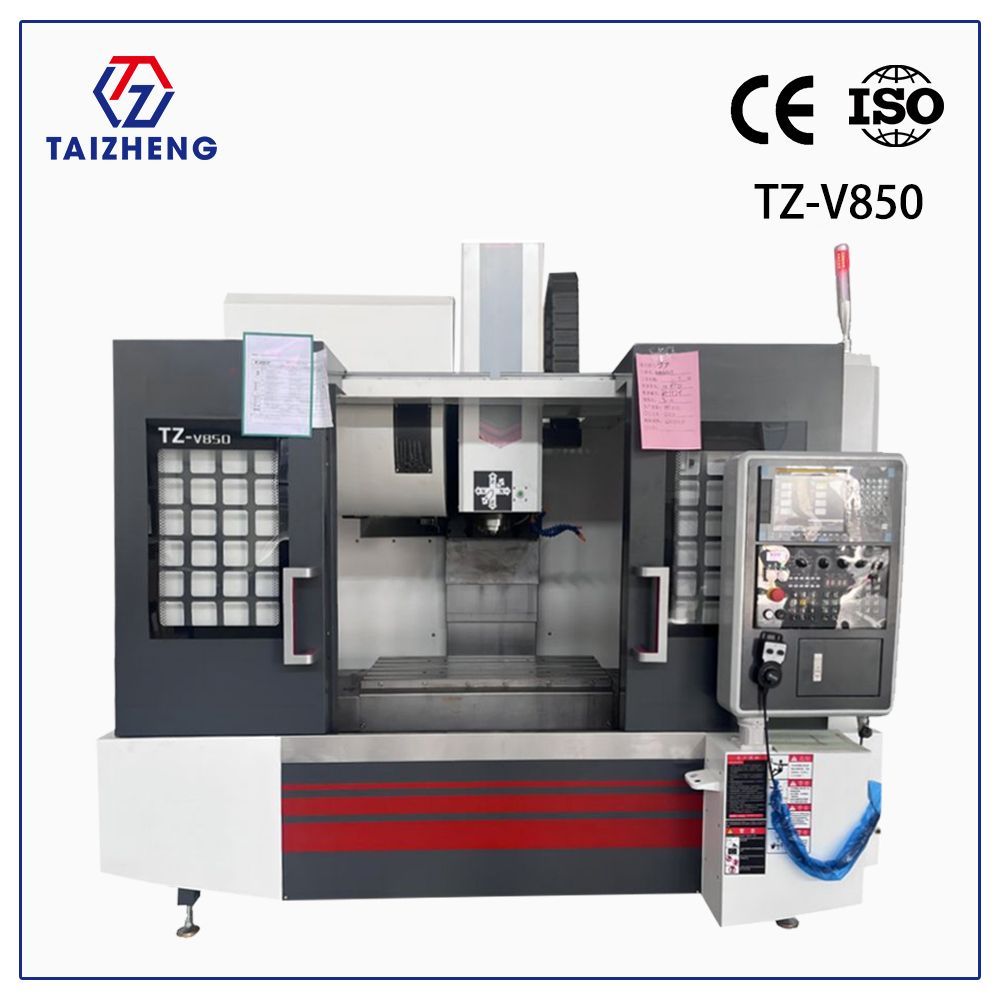
When producing products in batches, consistency is key. Whether you're creating a few dozen or thousands of parts, every component must meet the same specifications. This is where CNC machining shines. It provides a level of precision and consistency that traditional methods cannot match. Through advanced programming, CNC machines can produce parts with micrometer-level accuracy, ensuring that each piece in a batch is identical.
CNC machining ensures that each part in a batch adheres to the same specifications, making it ideal for industries that require high precision. CNC machines can create parts with tolerances as tight as a few microns, ensuring that every component is identical.
There are advantages of precision in Batch Production:
● Consistency: Ensures every part is identical, reducing quality control issues.
● Cost Savings: Less rework due to fewer defects.
● Improved Product Quality: Meets strict industry standards, such as in aerospace or medical devices.
Human error is inevitable in any manual process. When operators make adjustments or manually control machines, mistakes can happen, especially when working with intricate designs. CNC machining minimizes human involvement by automating the process, which leads to greater accuracy. The machine follows a set program, ensuring that every cut and operation is performed with precision, regardless of the complexity of the design.
One of the significant challenges in batch production is the high cost of setting up machines for different product designs. Traditional methods often require retooling, recalibration, and sometimes even new tooling for each design change. In contrast, CNC machining eliminates the need for costly retooling. Programs can be saved, recalled, and adapted for different designs, allowing businesses to easily switch between production runs without substantial downtime or expense. This is especially valuable for small-batch production, where setup costs traditionally ate into profitability.
Material waste is a common problem in traditional manufacturing, but CNC machining offers a more efficient way to use materials. CNC machines make precise cuts with minimal waste, ensuring that raw materials are used efficiently. Additionally, modern CNC machines often have features that reduce scrap material, like the ability to automatically adjust cutting paths to avoid unnecessary material removal. This efficiency helps businesses save on material costs and reduce the environmental impact of their operations.
Benefit | Traditional Methods | CNC Machining |
Setup Costs | High due to retooling | Low, easy to switch designs |
Material Waste | High, as manual methods may not be precise | Low, precise cutting reduces scrap |
Labor Costs | High, requires skilled operators | Low, less manual intervention needed |
Historically, small-batch production was not cost-effective because of high setup costs. However, CNC machining has changed this narrative. The ability to quickly change programs and reconfigure the machine for new designs has made small-batch production viable. No more costly retooling or excessive labor—CNC machines can handle these jobs at a fraction of the cost, opening up opportunities for businesses to serve niche markets or offer custom products.
In today’s dynamic market, quick changes to product designs are necessary. CNC machining is highly flexible, allowing for fast adjustments to design specifications without significant downtime. Once the design is updated, the machine can begin production with little to no delay.
One of the key advantages of CNC machining is its ability to produce prototypes quickly. Unlike traditional methods, where prototype creation can take days or weeks, CNC machines allow for fast iteration and testing of designs. Businesses can test prototypes quickly, making it easier to refine designs before full-scale production.
Prototyping Time | Traditional Methods | CNC Machining |
Setup Time | Long, requires tooling changes | Short, quick program adjustments |
Iteration Time | Slow, manual adjustments | Fast, immediate program updates |
Accuracy | Dependent on operator skill | High, consistent precision |
CNC machining excels in creating customized components that meet specific client requirements. Whether it’s creating parts with unique geometries or intricate details, CNC machines can produce high-quality customized solutions at scale.
CNC machining excels at scaling production from a single prototype to large batches. Once a design is perfected and programmed into the system, CNC machines can continue producing parts with minimal intervention. The ability to scale up production easily makes CNC machining a valuable asset for businesses looking to grow while maintaining consistent quality.
Because CNC machines are highly automated, they require less manual labor to operate. This increases throughput by allowing machines to run continuously without constant supervision. With the right setup and programming, CNC machines can produce high volumes of parts, ensuring that businesses can meet demand without needing to hire more workers or increase labor costs.
Feature | CNC Machining | Traditional Methods |
Scalability | Seamless, from prototypes to large batches | Limited by tooling and setup times |
Labor Requirements | Low, highly automated | High, requires manual intervention |
Production Speed | Continuous, high volume | Slower, depends on operator efficiency |
By automating tasks that were traditionally manual, CNC machines reduce the reliance on human labor. Once set up, these machines can operate on their own, eliminating the need for operators to make adjustments or perform repetitive tasks. This reduces labor costs and allows workers to focus on more value-added activities, such as quality control.
The automation of CNC machining reduces production time by eliminating manual interventions. CNC machines can work continuously, making them ideal for high-volume production. This increased speed allows businesses to meet tight deadlines and respond quickly to changes in demand, without compromising on quality.
Modern CNC machines are often integrated with CAD/CAM systems, which simplify the transition from design to manufacturing. CAD software designs the product, while CAM software generates the code that the CNC machine follows. This integration ensures precision and efficiency, with fewer errors and a smoother workflow.
Feature | CNC Machining | Traditional Methods |
Manual Labor | Low, fully automated | High, manual intervention |
Cycle Time | Fast, continuous production | Slower, limited by human pace |
Software Integration | CAD/CAM integration | Limited, manual adjustments |
Quality control is a top priority in batch production. CNC machines often come equipped with integrated measurement systems to monitor the machining process. These systems track key parameters and make adjustments as necessary, ensuring that each part meets the required specifications without the need for manual checks.
To enhance precision further, CNC machines can be paired with 3D Coordinate Measuring Machines (CMM). These machines measure parts in three dimensions, allowing for even greater accuracy. They help businesses ensure that every part produced in a batch meets stringent quality standards, reducing waste and the risk of defects.
CNC machines provide real-time monitoring during production, ensuring that any deviations from the set parameters are detected early. This continuous feedback loop allows for immediate corrections, reducing the chance of defects and ensuring that parts are produced consistently and accurately.
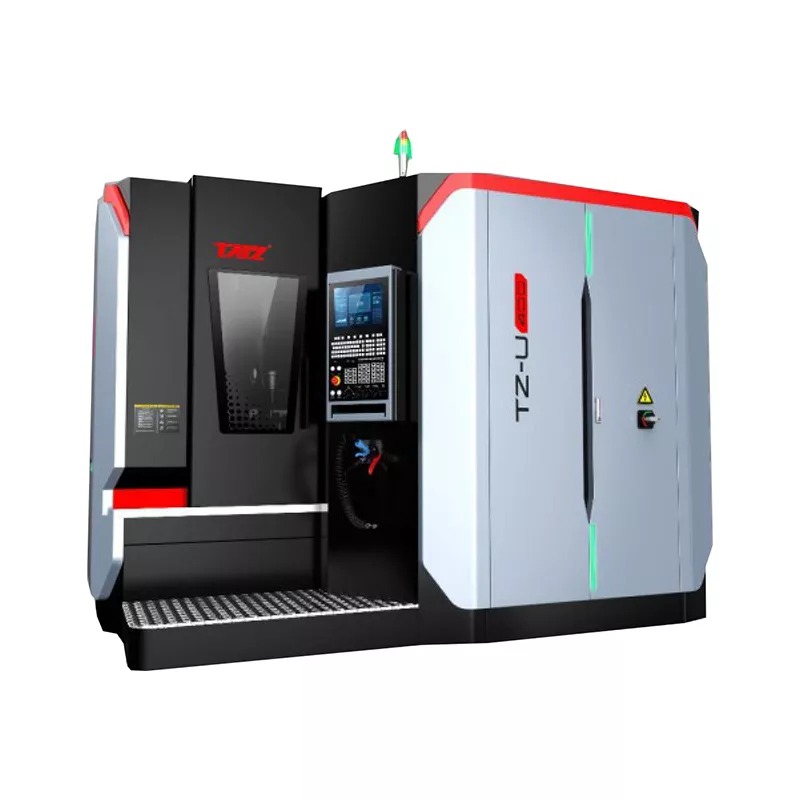
CNC machining has transformed batch production by enabling businesses to create high-quality parts with precision and cost-efficiency. The technology allows for seamless scalability, reduces waste, and offers flexibility in adapting to design changes. Companies like TAIZ are leading the way in utilizing CNC technology, setting new standards in production efficiency and meeting customer demands with faster, high-quality outputs.
A: CNC machining uses computer-controlled machines to automate the manufacturing of parts. It is essential for batch production because it ensures high precision, repeatability, and cost-efficiency across multiple parts, making it ideal for small to medium-sized production runs.
A: CNC machines provide automation, precision, and speed. They allow businesses to produce high-quality parts quickly while reducing manual labor, ensuring uniformity, and minimizing errors across a batch of parts.
A: CNC machining reduces setup times and tooling costs, making small batch production more affordable. Unlike traditional methods, CNC machines can quickly switch between designs without requiring significant retooling, lowering overall costs.
A: CNC machines ensure consistency by following precise programs, reducing human error. This leads to identical parts in each batch, making it ideal for industries requiring tight tolerances and uniformity.
A: Yes, CNC machining is highly flexible. Programs can be updated quickly to accommodate design changes, allowing businesses to adapt swiftly without long delays or costly retooling.
A: CNC machines make precise cuts, ensuring that materials are used efficiently. This reduces waste and optimizes the use of raw materials, contributing to a more sustainable production process.


